

Can a dredge pump be used for sand pumping? That's a question I get asked a lot as a dredge pump supplier. And the short answer is yes, a dredge pump can definitely be used for sand pumping. But there's a bit more to it than that, so let's dive in and take a closer look.
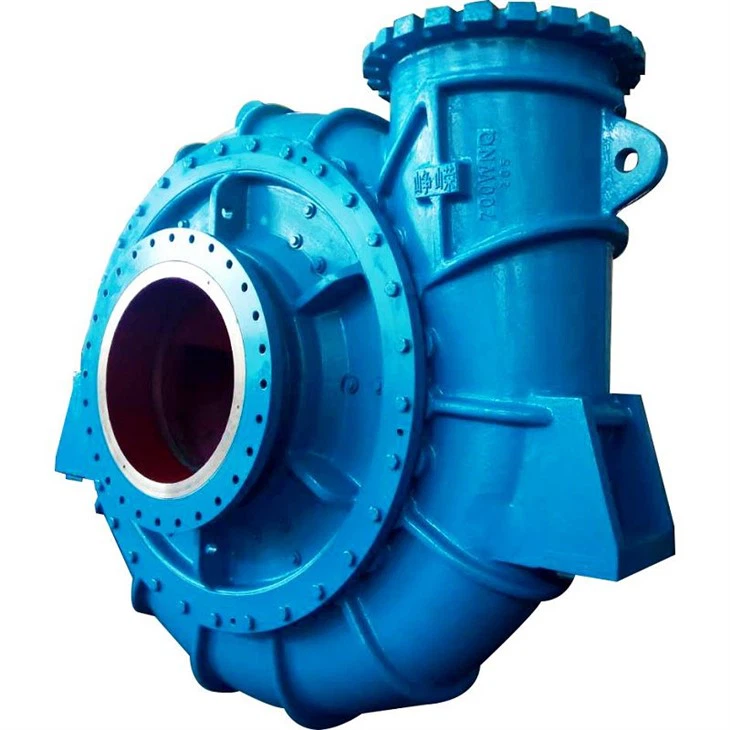
First off, let's talk about what a dredge pump is. A dredge pump is a specialized type of pump designed to move large volumes of liquid that contains solid particles, like sand, mud, or gravel. These pumps are commonly used in dredging operations, which involve removing sediment from the bottom of bodies of water like rivers, lakes, and oceans. But they can also be used in other applications, like mining, construction, and wastewater treatment.
So, why are dredge pumps good for sand pumping? Well, there are a few reasons. For starters, dredge pumps are designed to handle abrasive materials like sand without getting damaged. They typically have thick, wear-resistant impellers and casings that can withstand the constant abrasion caused by the sand particles. This means that they can operate for long periods of time without needing frequent maintenance or replacement parts.
Another advantage of using a dredge pump for sand pumping is that they can move large volumes of sand quickly and efficiently. Dredge pumps are typically very powerful and can generate high flow rates and pressures, which allows them to move sand over long distances and to lift it to higher elevations. This makes them ideal for applications where large amounts of sand need to be moved, like beach nourishment projects or sand mining operations.
Now, let's take a look at some of the different types of dredge pumps that can be used for sand pumping. One of the most common types is the Mud Dredge Pump. As the name suggests, these pumps are designed to handle mud and other types of sediment, but they can also be used for sand pumping. Mud dredge pumps are typically submersible, which means that they can be placed directly in the water and used to pump sand from the bottom of a body of water.
Another type of dredge pump that can be used for sand pumping is the Submersible Dredge Pump. These pumps are similar to mud dredge pumps, but they are specifically designed to be used underwater. Submersible dredge pumps are typically more powerful than mud dredge pumps and can handle larger volumes of sand. They are also more versatile and can be used in a variety of different applications, like dredging canals, rivers, and lakes.
Finally, there's the Pond Dredge Pump. These pumps are designed to be used in smaller bodies of water, like ponds and small lakes. Pond dredge pumps are typically less powerful than mud dredge pumps and submersible dredge pumps, but they are still capable of moving sand and other types of sediment. They are also more affordable and easier to operate, which makes them a popular choice for homeowners and small businesses.
So, now that we've talked about the different types of dredge pumps that can be used for sand pumping, let's talk about some of the factors that you need to consider when choosing a dredge pump for your sand pumping application. One of the most important factors is the size and type of the sand that you need to pump. Different types of sand have different particle sizes and densities, which can affect the performance of the dredge pump. For example, if you need to pump very fine sand, you may need a pump with a smaller impeller and a higher flow rate. On the other hand, if you need to pump coarse sand, you may need a pump with a larger impeller and a higher pressure.
Another factor that you need to consider is the distance and elevation that you need to pump the sand. Dredge pumps are typically rated for a certain maximum distance and elevation that they can pump sand. If you need to pump sand over a long distance or to a high elevation, you may need a more powerful pump. You also need to consider the type of pipeline that you will be using to transport the sand. Different types of pipelines have different flow characteristics, which can affect the performance of the dredge pump.
Finally, you need to consider the cost and maintenance requirements of the dredge pump. Dredge pumps can be expensive, especially if you need a high-powered pump for a large-scale sand pumping application. You also need to factor in the cost of maintenance and replacement parts. Some dredge pumps require more frequent maintenance than others, so you need to choose a pump that is easy to maintain and that has a good reputation for reliability.

In conclusion, a dredge pump can definitely be used for sand pumping. There are several types of dredge pumps available, each with its own advantages and disadvantages. When choosing a dredge pump for your sand pumping application, you need to consider factors like the size and type of the sand, the distance and elevation that you need to pump the sand, and the cost and maintenance requirements of the pump. If you're in the market for a dredge pump for sand pumping, I'd be happy to help you choose the right pump for your needs. Just reach out, and we can start a conversation about your project and find the best solution together.
References
- "Dredge Pump Basics" - Industry Handbook on Dredging Equipment
- "Sand Pumping Applications and Best Practices" - Journal of Civil and Environmental Engineering


