

Adjusting the speed of a gravel pump is a crucial aspect of optimizing its performance in various industrial and construction applications. As a gravel pump supplier, I understand the importance of providing customers with comprehensive guidance on how to achieve the best results from their equipment. In this blog post, I will share some key insights and techniques on how to adjust the speed of a gravel pump effectively.
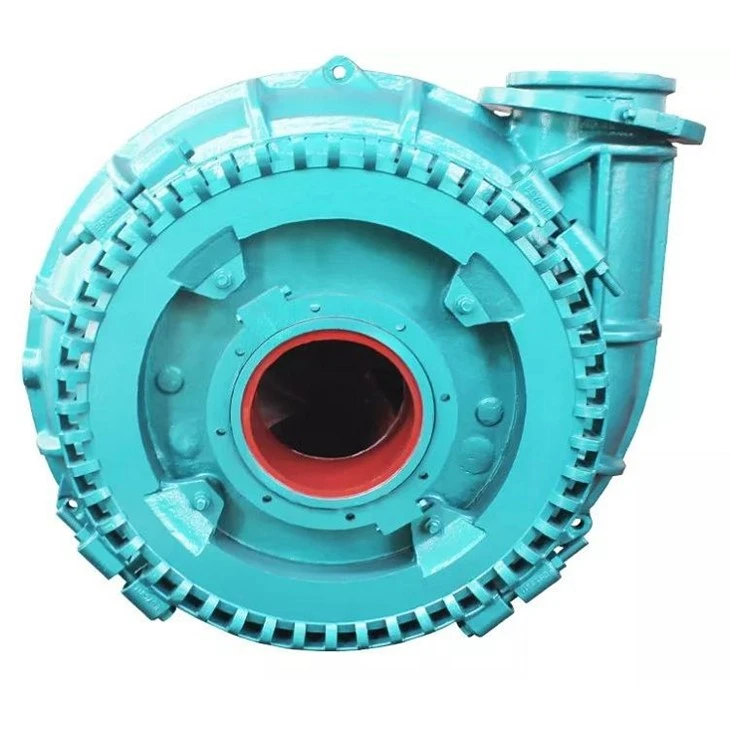

Understanding the Basics of Gravel Pump Speed
Before delving into the adjustment process, it's essential to understand the role of speed in a gravel pump's operation. The speed of a gravel pump directly affects its flow rate, head, and efficiency. A higher speed generally results in a greater flow rate and higher head, which is beneficial for applications that require moving large volumes of gravel or other abrasive materials over long distances. However, increasing the speed also increases the power consumption and wear on the pump components, which can lead to reduced lifespan and increased maintenance costs.
Conversely, a lower speed may be more suitable for applications where a lower flow rate or head is required, or where minimizing wear and tear on the pump is a priority. By adjusting the speed of the gravel pump, operators can optimize its performance to meet the specific requirements of their application while minimizing energy consumption and maintenance costs.
Factors Affecting Gravel Pump Speed
Several factors can influence the speed of a gravel pump, including the type of motor, the impeller design, the system resistance, and the viscosity of the pumped fluid. Understanding these factors is essential for making informed decisions when adjusting the pump speed.
- Motor Type: The type of motor used to drive the gravel pump plays a significant role in determining its speed. Most gravel pumps are powered by electric motors, which can be either fixed-speed or variable-speed. Fixed-speed motors operate at a constant speed, while variable-speed motors allow for precise control of the pump speed. Variable-speed motors are typically more expensive than fixed-speed motors but offer greater flexibility and energy savings.
- Impeller Design: The design of the impeller also affects the pump speed. Impellers with a larger diameter or a higher number of vanes generally require a lower speed to achieve the same flow rate and head as impellers with a smaller diameter or fewer vanes. Additionally, the shape and pitch of the impeller vanes can influence the pump's efficiency and performance at different speeds.
- System Resistance: The resistance of the pumping system, including the piping, valves, and fittings, can also affect the pump speed. A higher system resistance requires the pump to work harder to overcome the resistance, which may result in a lower flow rate and higher power consumption. By reducing the system resistance, such as by using larger diameter piping or minimizing the number of bends and fittings, operators can improve the pump's performance and efficiency.
- Fluid Viscosity: The viscosity of the pumped fluid can also impact the pump speed. More viscous fluids require a higher speed to achieve the same flow rate and head as less viscous fluids. Additionally, the viscosity of the fluid can affect the pump's efficiency and wear rate, as more viscous fluids can cause greater friction and abrasion on the pump components.
Methods for Adjusting Gravel Pump Speed
There are several methods for adjusting the speed of a gravel pump, depending on the type of motor and the specific requirements of the application. Here are some common methods:
- Variable Frequency Drives (VFDs): VFDs are the most common method for adjusting the speed of an electric gravel pump. A VFD is an electronic device that controls the frequency and voltage of the electrical power supplied to the motor, allowing for precise control of the motor speed. By adjusting the frequency and voltage, operators can increase or decrease the pump speed as needed to meet the specific requirements of the application. VFDs offer several advantages, including energy savings, improved process control, and reduced wear and tear on the pump components.
- Pulley and Belt Systems: In some cases, the speed of a gravel pump can be adjusted using a pulley and belt system. By changing the size of the pulleys or the tension of the belt, operators can increase or decrease the speed of the pump. Pulley and belt systems are relatively simple and inexpensive but may not offer the same level of precision and control as VFDs.
- Gearboxes: Gearboxes can also be used to adjust the speed of a gravel pump. A gearbox is a mechanical device that changes the speed and torque of the motor output. By selecting a gearbox with the appropriate gear ratio, operators can increase or decrease the pump speed as needed. Gearboxes are typically more expensive than pulley and belt systems but offer greater precision and control.
Step-by-Step Guide to Adjusting Gravel Pump Speed
Here is a step-by-step guide to adjusting the speed of a gravel pump using a VFD:
- Determine the Required Speed: Before adjusting the pump speed, it's essential to determine the required speed based on the specific requirements of the application. Consider factors such as the flow rate, head, and system resistance when determining the required speed.
- Select the Appropriate VFD: Choose a VFD that is compatible with the motor and the pump. Consider factors such as the motor power rating, the maximum speed range, and the control features when selecting a VFD.
- Install the VFD: Install the VFD according to the manufacturer's instructions. Make sure to connect the VFD to the motor and the power supply correctly.
- Configure the VFD: Configure the VFD settings, including the speed setpoint, the acceleration and deceleration times, and the protection features. Refer to the VFD user manual for detailed instructions on how to configure the settings.
- Test the Pump: Once the VFD is installed and configured, test the pump to ensure that it is operating at the desired speed. Monitor the flow rate, head, and power consumption to verify that the pump is performing as expected.
- Make Adjustments as Needed: If the pump is not operating at the desired speed or performance, make adjustments to the VFD settings as needed. Repeat the testing process until the pump is operating at the optimal speed and performance.
Benefits of Adjusting Gravel Pump Speed
Adjusting the speed of a gravel pump offers several benefits, including:
- Energy Savings: By adjusting the pump speed to match the specific requirements of the application, operators can reduce the energy consumption of the pump. This can result in significant cost savings over the life of the pump.
- Improved Performance: Adjusting the pump speed can also improve the performance of the pump, including the flow rate, head, and efficiency. By operating the pump at the optimal speed, operators can achieve better results with less energy and wear on the pump components.
- Reduced Maintenance Costs: By reducing the wear and tear on the pump components, adjusting the pump speed can also reduce the maintenance costs of the pump. This can result in longer pump lifespan and fewer downtime for maintenance and repairs.
- Enhanced Process Control: Adjusting the pump speed allows for precise control of the flow rate and head, which can improve the process control and quality of the pumping operation. This is particularly important in applications where the flow rate and head need to be maintained within a specific range.
Conclusion
Adjusting the speed of a gravel pump is a critical aspect of optimizing its performance and efficiency in various industrial and construction applications. By understanding the factors affecting gravel pump speed and the methods for adjusting it, operators can make informed decisions to achieve the best results from their equipment. As a gravel pump supplier, I am committed to providing customers with the highest quality products and technical support to help them optimize the performance of their pumps. If you have any questions or need assistance with adjusting the speed of your gravel pump, please don't hesitate to contact us for more information.
References
- "Gravel Pump Handbook," Gravel Pump Manufacturer's Association.
- "Variable Frequency Drives: Principles and Applications," Electric Motor Manufacturers Association.
- "Pump System Optimization: A Guide to Improving Energy Efficiency," U.S. Department of Energy.


