

Balancing the impeller of an electric dredge pump is a crucial process that directly impacts the pump's performance, efficiency, and lifespan. As a supplier of Electric Dredge Pumps, I understand the significance of this task and am here to share some insights on how to achieve proper impeller balancing.
Understanding the Importance of Impeller Balancing
The impeller is the heart of an electric dredge pump. It rotates at high speeds, creating the centrifugal force necessary to move fluids. However, if the impeller is not balanced correctly, it can lead to a variety of problems. Unbalanced impellers can cause excessive vibration, which not only reduces the pump's efficiency but also increases wear and tear on the pump components. This can result in premature failure of the pump, leading to costly repairs and downtime.
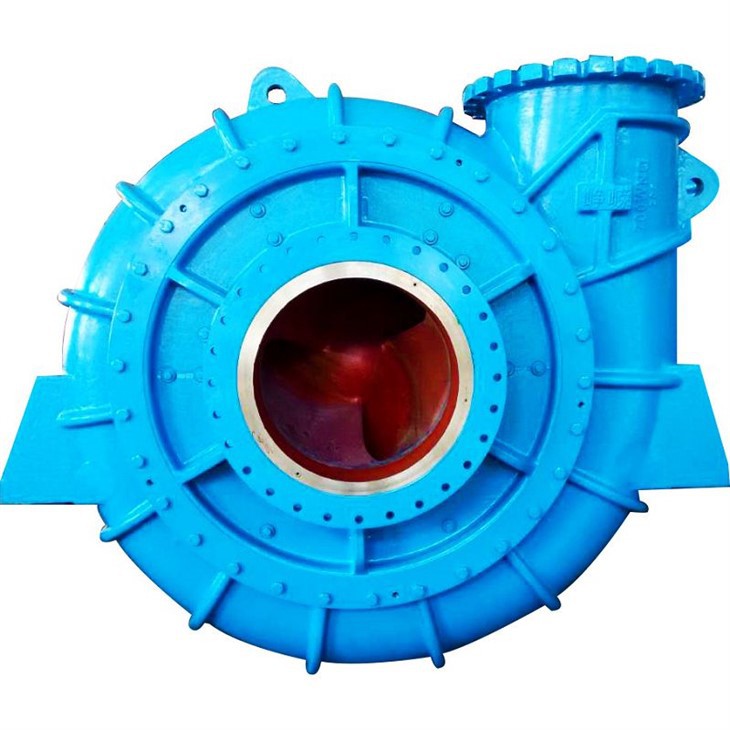
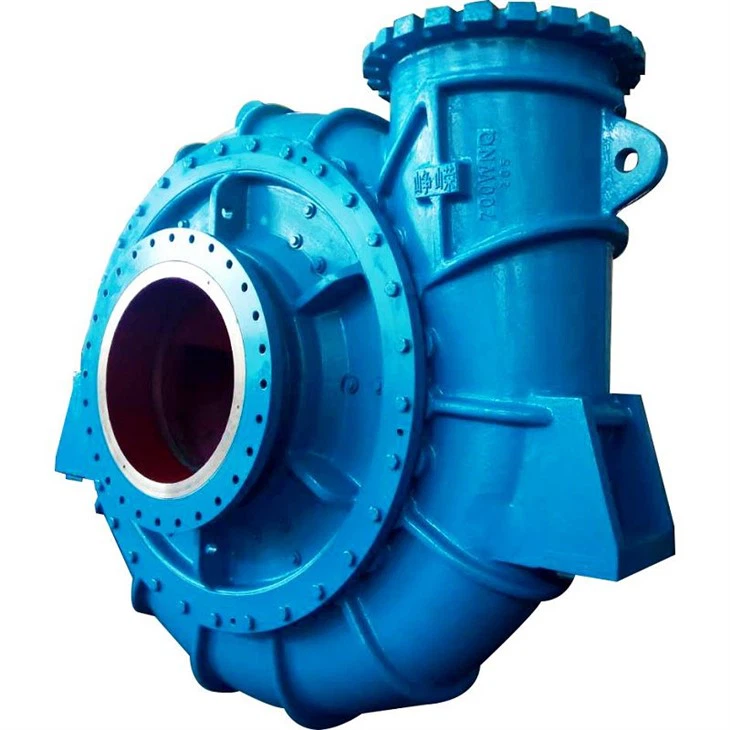
Proper impeller balancing ensures smooth operation, reduces noise, and extends the life of the pump. It also improves the overall performance of the dredge pump, allowing it to handle higher flow rates and pressures more effectively.
Types of Impeller Imbalance
There are two main types of impeller imbalance: static imbalance and dynamic imbalance.
Static Imbalance
Static imbalance occurs when the center of gravity of the impeller does not coincide with the axis of rotation. This can be caused by uneven distribution of mass within the impeller, such as manufacturing defects or wear and tear. Static imbalance can be detected by placing the impeller on a horizontal shaft and observing if it rotates to a particular position. If it does, it indicates that there is a heavy spot on the impeller.
Dynamic Imbalance
Dynamic imbalance is more complex and occurs when the impeller has both static and couple imbalances. Couple imbalance is caused by two equal and opposite forces acting at a distance from each other, creating a rotating couple. Dynamic imbalance can only be detected and corrected using specialized balancing equipment.
Tools and Equipment Required for Impeller Balancing
To balance an impeller, you will need the following tools and equipment:
- Balancing Machine: A balancing machine is used to measure the amount and location of imbalance in the impeller. There are different types of balancing machines available, including single-plane and two-plane balancing machines.
- Weights: You will need a set of weights to add or remove from the impeller to correct the imbalance. The weights are usually made of metal and come in different sizes and shapes.
- Measuring Tools: You will need measuring tools such as calipers and micrometers to measure the dimensions of the impeller and the weights.
- Cleaning Tools: It is important to clean the impeller before balancing to remove any dirt, debris, or rust that may affect the accuracy of the balancing process. You will need cleaning tools such as brushes and solvents.
Steps to Balance an Impeller
The following steps outline the general process of balancing an impeller:
Step 1: Preparation
- Inspect the Impeller: Before balancing the impeller, inspect it for any signs of damage, wear, or corrosion. If the impeller is damaged, it may need to be repaired or replaced before balancing.
- Clean the Impeller: Clean the impeller thoroughly to remove any dirt, debris, or rust. This will ensure accurate measurement of the imbalance.
- Mount the Impeller on the Balancing Machine: Mount the impeller on the balancing machine according to the manufacturer's instructions. Make sure the impeller is securely mounted and centered on the machine.
Step 2: Initial Measurement
- Start the Balancing Machine: Start the balancing machine and let it run at a low speed to measure the initial imbalance of the impeller. The balancing machine will display the amount and location of the imbalance.
- Record the Imbalance Data: Record the imbalance data, including the amount of imbalance and the angle at which it occurs. This data will be used to determine the amount and location of the weights to be added or removed from the impeller.
Step 3: Adding or Removing Weights
- Calculate the Weight Correction: Based on the imbalance data, calculate the amount and location of the weights to be added or removed from the impeller. The balancing machine may provide a calculation function to help you determine the weight correction.
- Add or Remove Weights: Use the weights to add or remove mass from the impeller at the appropriate locations. Make sure the weights are securely attached to the impeller.
- Re-measure the Imbalance: After adding or removing the weights, re-measure the imbalance of the impeller using the balancing machine. Repeat the process of adding or removing weights until the imbalance is within the acceptable limits.
Step 4: Final Check
- Check the Balance: Once the imbalance is within the acceptable limits, check the balance of the impeller again to ensure that it is stable. Run the balancing machine at a higher speed to verify the balance.
- Secure the Weights: If the balance is satisfactory, secure the weights to the impeller using a suitable method, such as welding or adhesive.
- Inspect the Impeller: Inspect the impeller one last time to make sure there are no loose weights or other issues.
Tips for Successful Impeller Balancing
- Follow the Manufacturer's Instructions: Always follow the manufacturer's instructions when using the balancing machine and performing the balancing process. This will ensure accurate and safe operation.
- Use High-Quality Weights: Use high-quality weights that are specifically designed for impeller balancing. Low-quality weights may not provide accurate results and can cause additional problems.
- Perform Regular Maintenance: Regular maintenance of the impeller and the balancing machine is essential to ensure accurate and reliable balancing. Clean the impeller and the balancing machine regularly and replace any worn or damaged parts.
- Seek Professional Help if Needed: If you are unsure about how to balance an impeller or if you encounter any problems during the balancing process, seek professional help. A qualified technician can provide expert advice and assistance.
Conclusion
Balancing the impeller of an electric dredge pump is a critical process that requires careful attention to detail. By following the steps outlined in this blog and using the right tools and equipment, you can ensure that your impeller is balanced correctly, resulting in improved pump performance, efficiency, and lifespan.
As a supplier of Electric Dredge Pumps, we offer a wide range of Mud Dredge Pump, Gravel Pump, and Submersible Dredge Pump. Our pumps are designed to meet the highest standards of quality and performance, and we can provide you with the necessary support and expertise to ensure that your pumps are operating at their best.
If you are interested in learning more about our products or if you have any questions about impeller balancing, please feel free to contact us. We look forward to discussing your needs and helping you find the right solution for your dredging applications.
References
- "Centrifugal Pump Handbook" by Igor J. Karassik, Joseph P. Messina, Paul Cooper, and Charles C. Heald
- "Pump User's Handbook: Life Extension" by Heinz P. Bloch and Fred K. Geitner


