

Improving the pumping efficiency of an electric dredge pump is crucial for both cost - effectiveness and operational success in various dredging applications. As a supplier of Electric Dredge Pump, I have witnessed firsthand the challenges and opportunities that come with optimizing these pumps. In this blog, I will share some practical tips and strategies to enhance the pumping efficiency of electric dredge pumps.
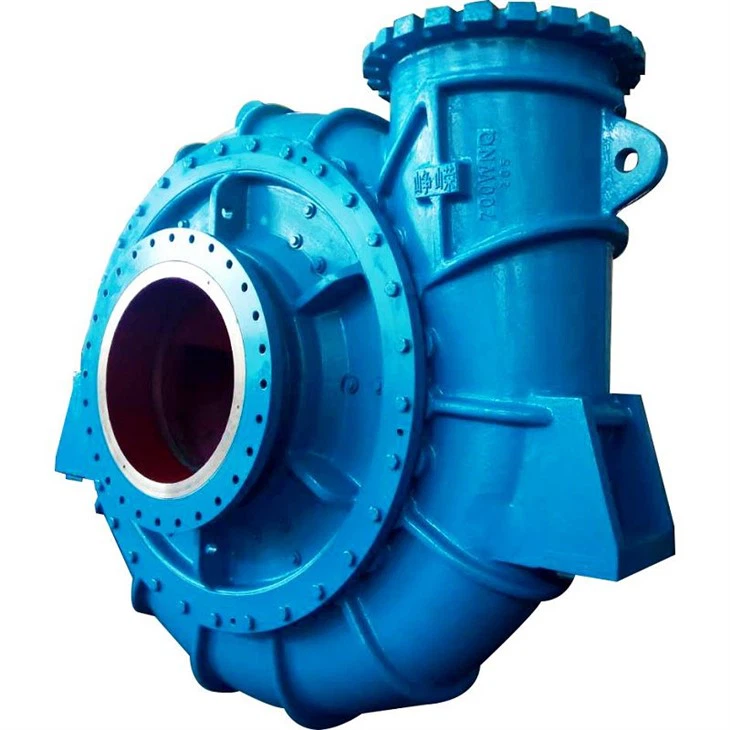

Understanding the Basics of Electric Dredge Pumps
Before delving into efficiency - improvement strategies, it's important to understand how electric dredge pumps work. These pumps are designed to move slurry, a mixture of water and solid particles, from one location to another. They are commonly used in mining, construction, environmental remediation, and other industries where the removal of sediment is necessary.
The basic components of an electric dredge pump include an electric motor, an impeller, and a volute casing. The electric motor provides the power to drive the impeller, which rotates at high speed to create a centrifugal force. This force sucks in the slurry through the inlet and then discharges it through the outlet. The efficiency of the pump depends on how well these components work together to move the slurry with minimal energy loss.
Selecting the Right Pump for the Job
One of the most important steps in improving pumping efficiency is selecting the right electric dredge pump for the specific application. There are several factors to consider when making this decision:
Flow Rate
The flow rate, measured in cubic meters per hour (m³/h) or gallons per minute (GPM), is the volume of slurry that the pump can move in a given time. It's essential to choose a pump with a flow rate that matches the requirements of the dredging project. If the flow rate is too low, the project will take longer to complete. On the other hand, if the flow rate is too high, the pump may consume more energy than necessary.
Head Pressure
Head pressure refers to the height or pressure that the pump needs to overcome to move the slurry. It includes both the vertical lift (static head) and the friction losses in the pipes (dynamic head). Selecting a pump with the appropriate head pressure rating ensures that the pump can effectively move the slurry to the desired location without overworking.
Solids Handling Capacity
The solids handling capacity of the pump is another critical factor. It indicates the size and concentration of solid particles that the pump can handle without clogging. Different dredging applications may require pumps with varying solids handling capabilities. For example, Submersible Dredge Pump are often used in applications where the pump needs to be submerged in water and handle large amounts of solids.
Proper Installation and Maintenance
Once the right pump is selected, proper installation and maintenance are key to ensuring optimal efficiency.
Installation
During installation, it's important to follow the manufacturer's guidelines carefully. The pump should be installed on a stable foundation to minimize vibration, which can lead to energy loss and premature wear of the components. The suction and discharge pipes should be properly aligned and sized to reduce friction losses. Additionally, the pump should be installed at the correct elevation to prevent cavitation, a phenomenon that occurs when the pressure in the pump drops below the vapor pressure of the liquid, causing the formation of vapor bubbles.
Maintenance
Regular maintenance is essential for keeping the pump running efficiently. This includes checking the motor for proper electrical connections and lubrication, inspecting the impeller for wear and damage, and cleaning the pump and pipes to remove any debris or sediment buildup. A well - maintained pump will operate more smoothly, consume less energy, and have a longer service life.
Optimizing Pump Operation
In addition to proper selection, installation, and maintenance, optimizing the operation of the electric dredge pump can also significantly improve its efficiency.
Speed Control
Many modern electric dredge pumps are equipped with variable speed drives (VSDs). These drives allow the pump to operate at different speeds depending on the actual demand. By adjusting the speed of the pump, you can match the flow rate and head pressure to the requirements of the dredging process, thereby reducing energy consumption. For example, if the slurry density or the required flow rate decreases, the pump speed can be reduced to save energy.
Monitoring and Control
Implementing a monitoring and control system can help you keep track of the pump's performance and make real - time adjustments. Sensors can be installed to measure parameters such as flow rate, pressure, temperature, and power consumption. By analyzing this data, you can identify any inefficiencies or potential problems early on and take corrective actions.
Using the Right Accessories
Using the right accessories can also enhance the pumping efficiency of electric dredge pumps. For example, Pond Dredge Pump may benefit from a floating suction device, which allows the pump to draw in water and sediment from the surface of the pond, reducing the risk of clogging. Additionally, using high - quality pipes and fittings with smooth inner surfaces can minimize friction losses and improve the overall efficiency of the pumping system.
Case Studies
To illustrate the effectiveness of these strategies, let's look at a few case studies.
In a mining project, a company was using an electric dredge pump to move slurry from a pit to a processing plant. After analyzing the project requirements, they selected a pump with the appropriate flow rate and head pressure. They also installed a VSD to control the pump speed. By adjusting the speed according to the slurry density and the required flow rate, they were able to reduce energy consumption by 20% while maintaining the same level of productivity.
In an environmental remediation project, a Submersible Dredge Pump was used to remove sediment from a contaminated pond. The pump was installed on a floating platform and equipped with a floating suction device. This setup allowed the pump to efficiently draw in the sediment - laden water from the pond surface, reducing the risk of clogging and improving the overall pumping efficiency.
Conclusion
Improving the pumping efficiency of an electric dredge pump requires a comprehensive approach that includes proper pump selection, installation, maintenance, operation, and the use of appropriate accessories. By following the tips and strategies outlined in this blog, you can optimize the performance of your electric dredge pump, reduce energy consumption, and increase the productivity of your dredging operations.
If you are interested in learning more about our Electric Dredge Pump or need assistance in selecting the right pump for your project, please feel free to contact us for a detailed discussion and procurement negotiation.
References
- "Dredging Engineering Handbook" by the U.S. Army Corps of Engineers
- "Centrifugal Pumps: Design and Application" by I. J. Karassik et al.
- Industry whitepapers on electric dredge pump efficiency optimization.


