

As a supplier of suction dredge pumps, I understand the critical role these pumps play in various industries, including mining, construction, and environmental remediation. The reliability of a suction dredge pump is paramount, as it directly impacts the efficiency and productivity of dredging operations. In this blog post, I will share some practical tips on how to improve the reliability of a suction dredge pump.
1. Select the Right Pump for the Application
The first step in ensuring the reliability of a suction dredge pump is to select the right pump for the specific application. Different dredging operations have different requirements in terms of flow rate, head, and solids handling capacity. For example, a Pond Dredge Pump is designed for relatively shallow and less abrasive applications, while a Mud Dredge Pump is better suited for handling thick and sticky mud.

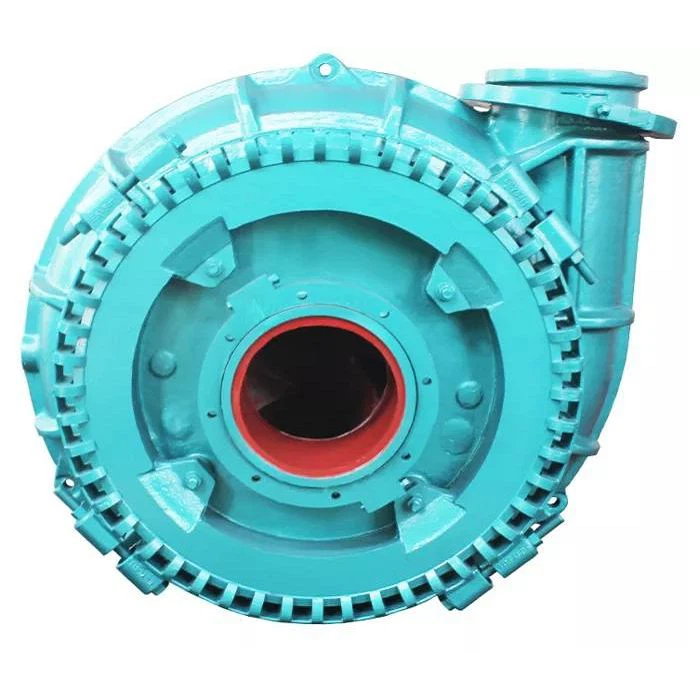
When choosing a pump, consider the following factors:
- Flow Rate: Determine the required flow rate based on the volume of material to be dredged and the desired dredging speed.
- Head: Calculate the total head, including the suction head, discharge head, and friction losses in the pipeline.
- Solids Handling Capacity: Consider the size, shape, and concentration of the solids in the slurry. A pump with a higher solids handling capacity will be more reliable when dealing with abrasive or large particles.
- Pump Type: There are different types of suction dredge pumps, such as centrifugal pumps, submersible pumps, and jet pumps. Each type has its own advantages and disadvantages, so choose the one that best suits your application.
2. Proper Installation and Alignment
Proper installation and alignment of the suction dredge pump are crucial for its reliable operation. A misaligned pump can cause excessive vibration, increased wear and tear, and premature failure of the pump components. Here are some key installation and alignment tips:
- Foundation: Ensure that the pump is installed on a solid and level foundation. A weak or uneven foundation can lead to vibration and misalignment.
- Pipework: Use proper piping materials and fittings to minimize friction losses and prevent leaks. The pipes should be properly supported and aligned to avoid stress on the pump.
- Alignment: Use precision alignment tools to ensure that the pump and motor are perfectly aligned. Misalignment can cause excessive bearing loads, shaft fatigue, and reduced pump efficiency.
- Suction Conditions: Maintain proper suction conditions to prevent cavitation. Cavitation occurs when the pressure at the suction inlet drops below the vapor pressure of the liquid, causing the formation of vapor bubbles. These bubbles can collapse and damage the pump impeller and other components.
3. Regular Maintenance and Inspection
Regular maintenance and inspection are essential for the long-term reliability of a suction dredge pump. By performing routine maintenance tasks and identifying potential problems early, you can prevent costly breakdowns and extend the service life of the pump. Here are some important maintenance and inspection tasks:
- Lubrication: Follow the manufacturer's recommendations for lubricating the pump bearings, seals, and other moving parts. Proper lubrication reduces friction, wear, and heat generation, and helps to prevent premature failure.
- Seal Inspection: Check the pump seals regularly for signs of wear, leakage, or damage. Replace the seals as needed to prevent fluid leakage and contamination.
- Impeller and Casing Inspection: Inspect the impeller and casing for signs of wear, erosion, or damage. Replace the worn or damaged components to maintain the pump's performance and efficiency.
- Vibration Analysis: Use vibration analysis tools to monitor the pump's vibration levels. Excessive vibration can indicate a problem with the pump alignment, balance, or bearing condition.
- Performance Testing: Periodically test the pump's performance, including the flow rate, head, and power consumption. Compare the test results with the pump's design specifications to identify any deviations or problems.
4. Monitor and Control the Operating Conditions
Monitoring and controlling the operating conditions of the suction dredge pump is essential for its reliable operation. By keeping a close eye on the pump's performance and the operating environment, you can detect and address potential problems before they cause a breakdown. Here are some key operating conditions to monitor:
- Temperature: Monitor the pump's temperature, including the motor temperature, bearing temperature, and fluid temperature. High temperatures can indicate a problem with the pump's cooling system, lubrication, or overloading.
- Pressure: Monitor the suction and discharge pressures of the pump. Abnormal pressure readings can indicate a blockage in the pipeline, a problem with the pump impeller, or a change in the slurry properties.
- Flow Rate: Monitor the flow rate of the pump to ensure that it is operating within the design specifications. A significant decrease in the flow rate can indicate a problem with the pump impeller, the pipeline, or the suction conditions.
- Slurry Properties: Monitor the properties of the slurry, such as the density, viscosity, and solids concentration. Changes in the slurry properties can affect the pump's performance and reliability.
5. Use High-Quality Components and Spare Parts
Using high-quality components and spare parts is essential for the reliability of the suction dredge pump. Inferior quality components can fail prematurely, leading to costly breakdowns and downtime. Here are some tips for choosing high-quality components and spare parts:
- Manufacturer Reputation: Choose components and spare parts from reputable manufacturers with a proven track record of quality and reliability.
- Material Selection: Select components and spare parts made from high-quality materials that are resistant to wear, corrosion, and erosion.
- Compatibility: Ensure that the components and spare parts are compatible with the pump model and specifications. Using incompatible parts can cause problems with the pump's performance and reliability.
- Inventory Management: Maintain an adequate inventory of critical spare parts to minimize downtime in case of a breakdown.
6. Operator Training and Safety
Proper operator training and safety are essential for the reliable operation of the suction dredge pump. A well-trained operator will be able to operate the pump safely and efficiently, and will be able to identify and address potential problems in a timely manner. Here are some key operator training and safety tips:
- Training: Provide comprehensive training to the operators on the operation, maintenance, and safety of the suction dredge pump. The training should include both theoretical and practical components.
- Safety Procedures: Develop and implement strict safety procedures for the operation of the pump. The operators should be trained to follow these procedures at all times.
- Personal Protective Equipment (PPE): Provide the operators with appropriate PPE, such as safety glasses, gloves, and hard hats. The PPE should be worn at all times when operating the pump.
- Emergency Response Plan: Develop an emergency response plan for the pump, including procedures for dealing with pump failures, leaks, and other emergencies. The operators should be trained to follow the emergency response plan in case of an emergency.
Conclusion
Improving the reliability of a suction dredge pump requires a combination of proper selection, installation, maintenance, monitoring, and operator training. By following the tips outlined in this blog post, you can ensure that your suction dredge pump operates reliably and efficiently, minimizing downtime and maximizing productivity.
If you are interested in purchasing a suction dredge pump or need more information about our products and services, please feel free to contact us. We are a leading supplier of Electric Dredge Pump and other dredging equipment, and we are committed to providing our customers with high-quality products and excellent customer service.
References
- "Dredging Equipment Handbook" by the International Association of Dredging Companies (IADC)
- "Pump Handbook" by Igor Karassik et al.
- Manufacturer's manuals and technical documents for suction dredge pumps.


