

Pumping gas - liquid mixtures can be a real headache when you're using an end suction pump. But don't worry, as an end suction pump supplier, I've seen it all and got some tips to help you overcome these challenges.
First off, let's understand why pumping gas - liquid mixtures is such a pain. End suction pumps are typically designed for handling liquids. When gas gets mixed in, it can cause a bunch of problems. One of the main issues is cavitation. Cavitation happens when the pressure in the pump drops low enough for the liquid to vaporize, forming bubbles. These bubbles then collapse when they reach higher - pressure areas, creating shockwaves that can damage the pump's impeller and other components.
Another problem is reduced efficiency. Gas in the mixture makes the pump work harder to move the fluid. It's like trying to push a heavy cart with a bunch of air pockets in it. The pump has to expend more energy to achieve the same flow rate, which means higher operating costs for you.
So, how do we tackle these problems?
1. Proper Gas Separation
The first step is to separate the gas from the liquid before it enters the pump. You can use a gas separator. A gas separator works by allowing the gas to rise to the top and be vented out, while the liquid is directed towards the pump. There are different types of gas separators available, like gravity - based separators and centrifugal separators.
Gravity - based separators are relatively simple. They rely on the fact that gas is lighter than liquid. The mixture enters the separator, and the gas floats to the top, where it can be removed through a vent. Centrifugal separators, on the other hand, use centrifugal force to separate the gas and liquid. The mixture is spun at high speed, and the heavier liquid is forced to the outer edges, while the gas collects in the center and can be removed.
By using a gas separator, you can significantly reduce the amount of gas entering the pump, which in turn reduces the risk of cavitation and improves the pump's efficiency. You can find more information about our End Suction Centrifugal Water Pump which can work more effectively when paired with a proper gas separation system.

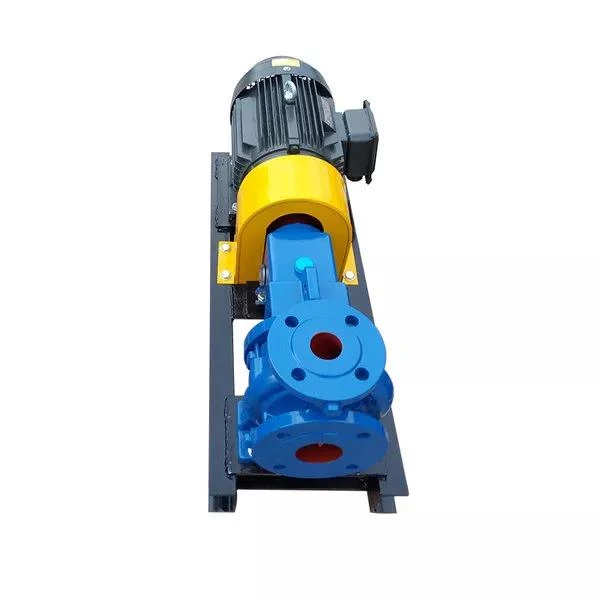
2. Pump Design Modifications
Sometimes, the standard design of an end suction pump may not be suitable for handling gas - liquid mixtures. You might need to make some modifications. For example, you can use a pump with a larger impeller eye. A larger impeller eye allows the gas - liquid mixture to enter the pump more easily, reducing the chances of gas accumulation and cavitation.
Another modification is to use a pump with a special impeller design. Some impellers are designed to handle gas - liquid mixtures better. They have features like wider vanes and larger passages, which help the gas to pass through the pump more smoothly.
We also offer Vertical End Suction Pump models that can be customized for better gas - liquid mixture handling. These pumps can be designed with specific impeller geometries and other features to improve their performance in such challenging applications.
3. Operating Conditions Optimization
The way you operate the pump can also have a big impact on its ability to handle gas - liquid mixtures. First, you need to make sure the pump is operating at the right speed. Running the pump too fast can increase the risk of cavitation, especially when there is gas in the mixture. You may need to adjust the pump speed based on the gas content and the flow rate requirements.
It's also important to maintain the right pressure in the system. If the suction pressure is too low, it can cause the gas to expand and increase the risk of cavitation. On the other hand, if the discharge pressure is too high, it can make it difficult for the pump to push the gas - liquid mixture through the system.
Monitoring the gas content in the mixture is crucial. You can use sensors to measure the gas fraction in the fluid. Based on the readings, you can adjust the operating conditions of the pump or take other corrective actions, such as increasing the gas separation efficiency.
4. Maintenance and Inspection
Regular maintenance and inspection are essential for ensuring the pump's performance when handling gas - liquid mixtures. You need to check the pump's components for signs of wear and damage, especially the impeller. The impeller is the most critical part of the pump, and any damage to it can significantly affect the pump's performance.
Cleaning the pump regularly is also important. Gas - liquid mixtures can carry dirt, debris, and other contaminants that can accumulate inside the pump and cause blockages. By cleaning the pump, you can prevent these blockages and ensure smooth operation.
Our End Suction Monoblock Pump is designed for easy maintenance. With proper care and regular inspections, you can extend the lifespan of the pump and keep it running efficiently when pumping gas - liquid mixtures.
Conclusion
Pumping gas - liquid mixtures with an end suction pump is definitely challenging, but it's not impossible. By using proper gas separation techniques, making pump design modifications, optimizing the operating conditions, and performing regular maintenance, you can overcome these challenges.
If you're facing problems with pumping gas - liquid mixtures or are looking for a reliable end suction pump for such applications, we're here to help. We have a wide range of end suction pumps that can be customized to meet your specific needs. Contact us for more information and let's start a discussion about how we can provide the best solution for your pumping requirements.
References
- Karassik, I. J., Messina, J. P., Cooper, P. T., & Heald, C. C. (2008). Pump Handbook. McGraw - Hill.
- Stepanoff, A. J. (1957). Centrifugal and Axial Flow Pumps: Theory, Design, and Application. Wiley.


