

Hey there! As a supplier of sewage pumps, I've seen firsthand the unique challenges that come with using these pumps in high - rise buildings. In this blog, I'm gonna break down those challenges and share some solid solutions.
Challenges of Using Sewage Pumps in High - Rise Buildings
1. High Head Requirements
One of the biggest headaches when it comes to high - rise buildings is the high head requirement. The sewage has to be pumped up several floors, which means the pump needs to generate enough pressure to overcome gravity and the resistance in the pipes. For instance, in a 30 - story building, the pump has to push the sewage up a significant vertical distance. This is where a High Head Sewage Pump comes in handy. But finding a pump that can handle such high heads without burning out or breaking down is no easy feat.
2. High Flow Rates
High - rise buildings typically have a large number of residents or occupants. This results in a high volume of sewage being generated at peak times, like in the morning when everyone is getting ready for work or at night after dinner. The sewage pump needs to be able to handle these high flow rates efficiently. If the pump can't keep up, it can lead to backups and overflows, which are a real nightmare for building managers and residents alike. A Large Sewage Pump might be the answer, but it also comes with its own set of challenges, such as higher energy consumption and more complex installation.
3. Solid Waste Handling
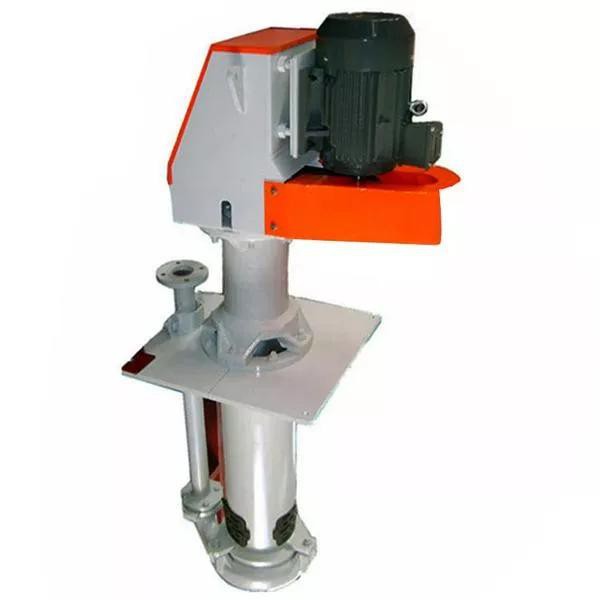
Sewage from high - rise buildings often contains all sorts of solid waste, like toilet paper, sanitary products, and even small pieces of debris. These solids can clog the pump impeller or damage the internal components of the pump. It's crucial for the sewage pump to have a design that can handle these solids without getting blocked. A Sewage Mud Pump is designed to handle more viscous and solid - laden sewage, but it still needs to be properly maintained to ensure its long - term performance.
4. Noise and Vibration
In a high - rise building, noise and vibration from the sewage pump can be a major nuisance to the residents. The pump is usually located in a mechanical room, but if it's not properly installed or insulated, the noise can travel through the building's structure. Excessive vibration can also cause damage to the pump and the surrounding pipes over time. Finding a pump that operates quietly and with minimal vibration is essential for maintaining a comfortable living environment.

5. Maintenance and Accessibility
High - rise buildings are complex structures, and accessing the sewage pump for maintenance can be a challenge. The pump might be located in a hard - to - reach area, or there might be multiple pumps that need to be serviced regularly. Regular maintenance is crucial to prevent breakdowns and ensure the pump's efficiency. But if it's difficult to access the pump, it can lead to delayed maintenance, which can ultimately result in more serious problems.
Solutions to the Challenges
1. Choosing the Right Pump
Selecting the appropriate sewage pump is the first step in overcoming the challenges. For high head requirements, a high - performance High Head Sewage Pump with a powerful motor and a well - designed impeller is essential. When it comes to high flow rates, a Large Sewage Pump with a high - capacity design can handle the volume of sewage. And for solid waste handling, a Sewage Mud Pump with a robust construction and a large passage for solids can prevent clogging.
2. Pump System Design
A well - designed pump system can make a huge difference. This includes proper pipe sizing, layout, and the use of check valves to prevent backflow. The pump system should also be designed to handle peak flow rates without overloading the pump. By working with a professional engineer, you can ensure that the pump system is optimized for the specific needs of the high - rise building.
3. Solid Waste Management
To reduce the risk of clogging, it's important to implement solid waste management measures. This can include installing screens or grinders at the sewage inlet to remove large solids before they reach the pump. Regular cleaning of the screens and grinders is also necessary to keep them functioning properly.
4. Noise and Vibration Control
To minimize noise and vibration, the pump should be installed on a vibration - isolating base. Sound - absorbing materials can be used to line the mechanical room walls and ceiling. Additionally, choosing a pump with a quiet operation design can significantly reduce the noise level.
5. Maintenance and Monitoring
Establishing a regular maintenance schedule is crucial for the long - term performance of the sewage pump. This includes checking the pump's components, lubricating moving parts, and inspecting the pipes for leaks. Installing a monitoring system can also help detect potential problems early, allowing for timely repairs and preventing major breakdowns.
Why Choose Our Sewage Pumps?
As a sewage pump supplier, we've spent years developing and perfecting our products to meet the unique challenges of high - rise buildings. Our High Head Sewage Pump is designed to handle the high pressure requirements of vertical pumping, with a durable motor and an efficient impeller design. The Sewage Mud Pump can handle solid - laden sewage without getting clogged, and our Large Sewage Pump is capable of handling high flow rates during peak times.
We also offer comprehensive after - sales service, including installation support, maintenance training, and technical assistance. Our team of experts is always ready to help you choose the right pump for your high - rise building and ensure its proper operation.
If you're in the market for sewage pumps for your high - rise building, don't hesitate to reach out. We're here to help you find the best solutions for your sewage pumping needs. Contact us today to start the conversation and let's work together to keep your building's sewage system running smoothly.
References
- "Pump Handbook" by Igor J. Karassik et al.
- "Sewage Treatment and Disposal" by Water Environment Federation


