

In the world of dredging, suction dredge pumps play a crucial role. As a supplier of Suction Dredge Pump, I've come across two main types that are commonly in demand: horizontal and vertical suction dredge pumps. In this blog post, I'll break down the differences between these two types to help you understand which one might be the best fit for your project.
Design and Structure
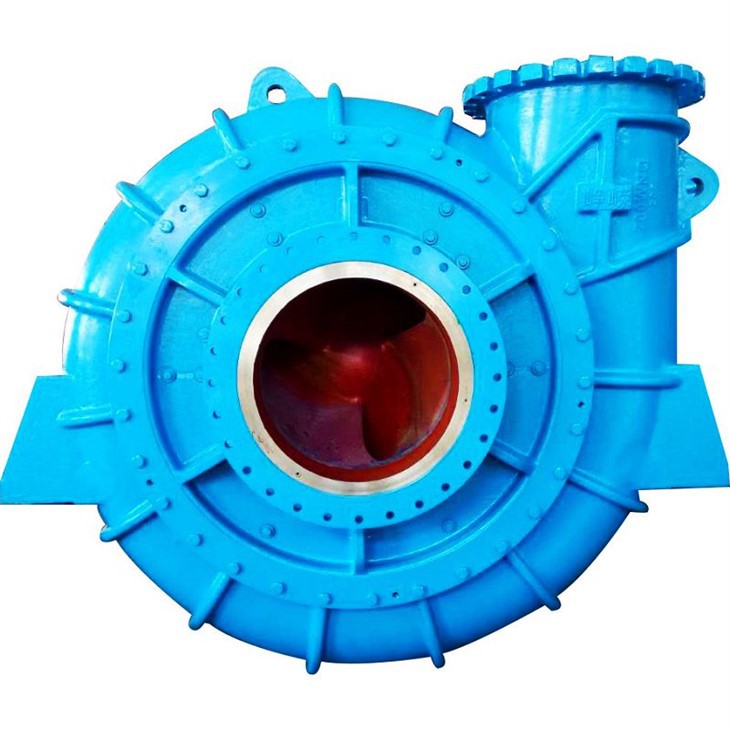
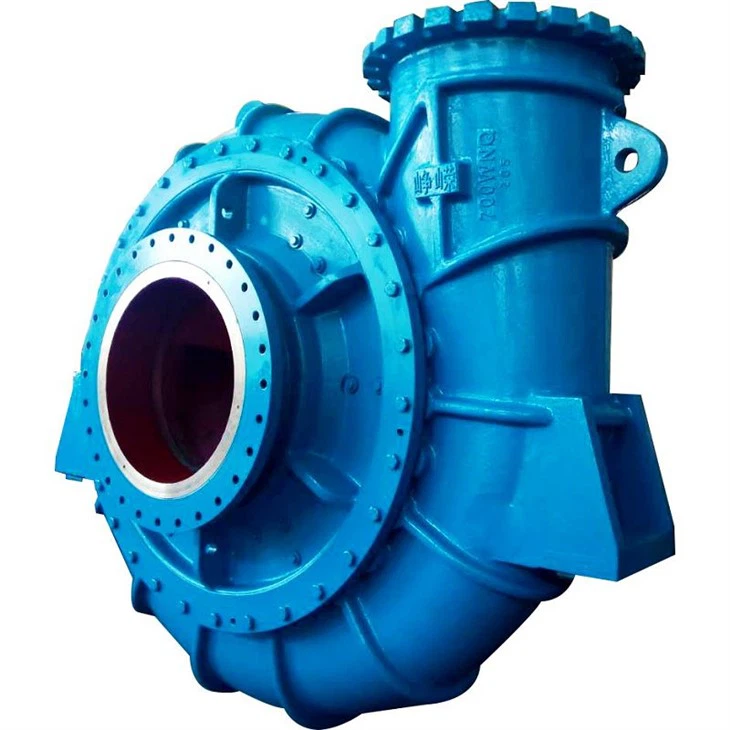
Let's start with the design. Horizontal suction dredge pumps are, well, laid out horizontally. They are installed on a flat surface, like a barge or a dry dock. This design allows for easy access to the pump components. If you need to do maintenance, like changing the impeller or checking the seals, it's relatively straightforward. You can simply walk up to the pump and start working on it.
On the other hand, vertical suction dredge pumps are, as the name suggests, installed vertically. They are usually submerged in the water, either partially or fully. This design is great for applications where space is limited. Instead of taking up a large horizontal footprint, the pump can be installed vertically, saving a lot of space. However, accessing the internal components can be a bit more challenging. You might need special equipment or a diver to reach the pump if it's fully submerged.
Installation and Mobility
When it comes to installation, horizontal pumps are generally easier to install. They can be bolted down to a stable surface, and the piping connections are usually more straightforward. You don't have to worry about keeping the pump upright in the water, which simplifies the installation process.
Vertical pumps, on the other hand, require more careful installation. You need to make sure the pump is properly aligned and secured in the water. If the pump is not installed correctly, it can lead to vibration and premature wear of the components. However, vertical pumps have an advantage in terms of mobility. Since they are often used in a submerged state, they can be easily moved from one location to another by simply lifting them out of the water and re - positioning them.
Performance and Efficiency
In terms of performance, horizontal pumps are known for their high flow rates. They can handle large volumes of water and sediment, making them ideal for large - scale dredging projects. The horizontal design allows for a more direct flow path, which reduces friction and increases the overall efficiency of the pump.
Vertical pumps, however, are better at handling high heads. A high head means the pump needs to push the water to a greater height or against a higher pressure. The vertical orientation of the pump allows it to generate more pressure, making it suitable for applications where the dredged material needs to be pumped over a long distance or to a higher elevation.
Maintenance and Durability
Maintenance is an important factor to consider when choosing a suction dredge pump. Horizontal pumps are easier to maintain because of their accessible design. You can quickly inspect the pump for any signs of wear or damage, and replace parts as needed. The components are also more exposed to the air, which can help prevent corrosion.
Vertical pumps, especially those that are fully submerged, are more prone to corrosion. The constant contact with water can cause the metal components to rust over time. However, modern vertical pumps are often made with corrosion - resistant materials to mitigate this issue. Maintenance of vertical pumps can be more time - consuming and expensive because of the need for specialized equipment and potentially a diver.
Applications
Horizontal suction dredge pumps are commonly used in large - scale dredging projects, such as port expansion, river dredging, and beach nourishment. Their high flow rates make them ideal for quickly removing large amounts of sediment from the bottom of a body of water.
Vertical suction dredge pumps are often used in applications where space is limited, such as in small ponds or narrow channels. They are also suitable for pumping dredged material to a higher elevation, like in a landfill or a storage tank. For example, if you're dredging a small lake and need to pump the mud to a nearby landfill, a vertical pump would be a good choice.
Cost
Cost is always a consideration in any project. Horizontal pumps are generally less expensive to purchase and install. The simpler design and easier installation process mean lower upfront costs. However, their larger size and higher power requirements can lead to higher operating costs over time.
Vertical pumps are usually more expensive to buy because of their more complex design and the need for specialized materials to resist corrosion. The installation costs can also be higher, especially if you need to hire a diver or use special equipment. But in the long run, their better performance in certain applications and potentially lower energy consumption can offset the higher initial costs.
Other Considerations
When choosing between a horizontal and vertical suction dredge pump, you also need to think about the type of material you'll be dredging. If you're dealing with large, abrasive particles, a horizontal pump might be better because it can handle the high - volume flow more effectively. If the material is more fine and the pumping distance is long, a vertical pump could be the way to go.
Another factor is the power source. Horizontal pumps often require a large - scale power supply, such as a diesel generator or an electrical grid connection. Vertical pumps can sometimes be powered by more compact power sources, which can be an advantage in remote locations.
As a Suction Dredge Pump supplier, I understand that every project is unique. Whether you need a high - flow horizontal pump for a large - scale dredging project or a high - head vertical pump for a specialized application, we have the expertise to help you make the right choice. If you're in the market for a Submersible Dredge Pump or a Mud Dredge Pump, don't hesitate to reach out. We can provide you with detailed information, product specifications, and pricing to help you with your purchase decision.
References
- Dredging Manual, World Bank
- Pump Handbook, Karassik et al.


