

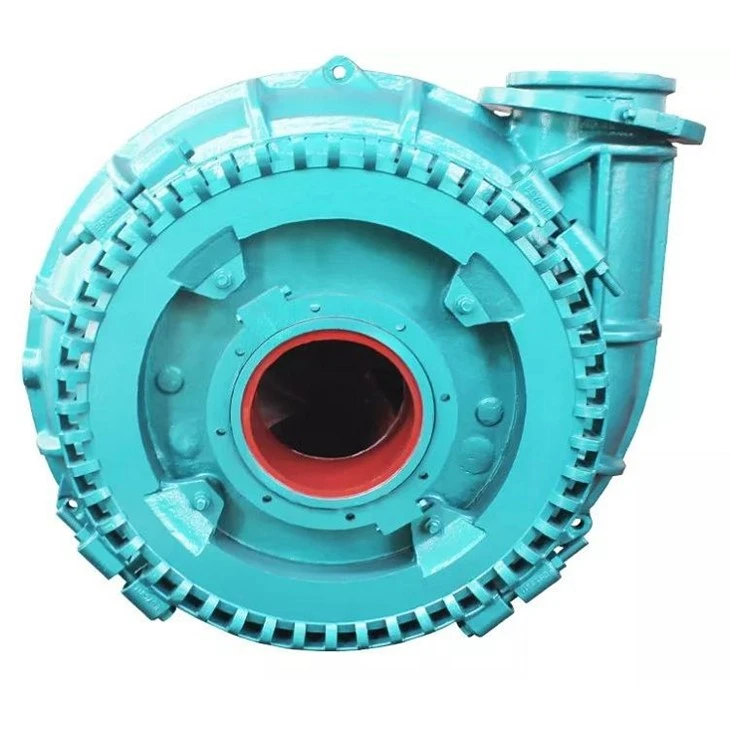
As a supplier of suction dredge pumps, I've witnessed firsthand the diverse applications and benefits these machines offer. Suction dredge pumps are powerful tools used in various industries, from mining and construction to environmental restoration. However, it's crucial to understand the environmental impacts associated with their use. This blog post will explore the positive and negative environmental effects of using a suction dredge pump and discuss ways to mitigate potential harm.
Positive Environmental Impacts
Waterway Restoration
One of the most significant positive impacts of using a suction dredge pump is waterway restoration. Over time, rivers, lakes, and ports can become clogged with sediment, debris, and other materials, reducing water flow and navigability. Suction dredge pumps can remove these accumulations, improving water quality and restoring natural habitats for fish, wildlife, and plants. For example, in coastal areas, dredging can help maintain channels for shipping and prevent flooding by increasing water capacity.
Flood Prevention
By removing excess sediment and debris from water bodies, suction dredge pumps can also play a crucial role in flood prevention. When rivers and streams are clogged, water can back up and cause flooding in nearby areas. Dredging helps to increase the capacity of waterways, allowing them to handle larger volumes of water during heavy rainfall or snowmelt. This can protect communities from the devastating effects of floods and reduce the risk of property damage and loss of life.

Resource Recovery
Suction dredge pumps are often used in mining and construction to extract valuable resources such as sand, gravel, and minerals from the bottom of water bodies. This process, known as dredging for resource recovery, can help to meet the growing demand for these materials while reducing the need for new mining operations on land. By using suction dredge pumps to extract resources from existing water bodies, we can minimize the environmental impact of mining and preserve natural habitats.
Negative Environmental Impacts
Habitat Destruction
One of the most significant negative impacts of using a suction dredge pump is habitat destruction. Dredging can disrupt the natural ecosystem of a water body by removing sediment, vegetation, and other materials that provide habitat for fish, wildlife, and plants. This can lead to a loss of biodiversity and a decline in the populations of native species. In addition, dredging can also cause physical damage to the bottom of the water body, which can further disrupt the habitat of aquatic organisms.
Water Pollution
Suction dredge pumps can also contribute to water pollution by stirring up sediment and releasing contaminants into the water. When sediment is disturbed during dredging, it can contain heavy metals, pesticides, and other pollutants that can be harmful to human health and the environment. In addition, dredging can also release nutrients into the water, which can cause algal blooms and other water quality problems. These pollutants can have a significant impact on the health of aquatic organisms and can also affect the quality of drinking water for nearby communities.
Noise and Vibration
The operation of suction dredge pumps can also generate significant noise and vibration, which can have a negative impact on the environment and nearby communities. Noise pollution can disrupt the behavior and communication of wildlife, while vibration can cause damage to nearby structures and infrastructure. In addition, the constant noise and vibration can also be a nuisance to residents living near dredging sites, affecting their quality of life.
Mitigating the Environmental Impacts
Environmental Impact Assessments
Before any dredging project begins, it's essential to conduct a thorough environmental impact assessment (EIA) to identify potential environmental impacts and develop strategies to mitigate them. An EIA should consider factors such as the location of the dredging site, the type of sediment being removed, the potential impact on water quality and habitat, and the social and economic impacts of the project. Based on the findings of the EIA, appropriate mitigation measures can be developed to minimize the environmental impact of the dredging project.
Best Management Practices
In addition to conducting an EIA, it's also important to implement best management practices (BMPs) during the dredging process to minimize the environmental impact. BMPs can include measures such as using sediment curtains to contain sediment and prevent it from spreading into the surrounding water, monitoring water quality during and after dredging, and using low-impact dredging techniques to minimize habitat destruction. By following BMPs, we can ensure that the dredging process is conducted in an environmentally responsible manner.
Restoration and Monitoring
After the dredging project is completed, it's important to restore the dredged area to its natural state as much as possible. This can include replanting vegetation, creating artificial habitats, and monitoring the recovery of the ecosystem over time. By restoring the dredged area, we can help to minimize the long-term environmental impact of the dredging project and ensure that the ecosystem can recover and thrive.
Conclusion
As a supplier of suction dredge pumps, I understand the importance of using these machines in an environmentally responsible manner. While suction dredge pumps can offer significant benefits in terms of waterway restoration, flood prevention, and resource recovery, they can also have negative environmental impacts if not used properly. By conducting thorough environmental impact assessments, implementing best management practices, and restoring and monitoring the dredged area after the project is completed, we can minimize the environmental impact of using suction dredge pumps and ensure that these machines are used in a sustainable way.
If you're interested in learning more about our Submersible Dredge Pump, Mud Dredge Pump, or Gravel Pump, or if you have any questions about the environmental impact of using a suction dredge pump, please don't hesitate to contact us. We're here to help you find the right solution for your needs while minimizing the environmental impact of your project.
References
- Environmental Protection Agency. (2023). Dredging and Dredged Material Management. Retrieved from [URL of EPA page]
- United Nations Environment Programme. (2022). Sustainable Dredging Practices. Retrieved from [URL of UNEP report]
- National Oceanic and Atmospheric Administration. (2021). Environmental Effects of Dredging. Retrieved from [URL of NOAA page]


