

As a supplier of pond dredge pumps, I've witnessed firsthand the transformative impact these powerful machines can have on maintaining the health and beauty of ponds, especially those adorned with waterfalls. Installing a pond dredge pump in a pond with a waterfall is not a one-size-fits-all process; it requires careful consideration of several key factors to ensure optimal performance and longevity. In this blog post, I'll share my insights on the installation requirements for a pond dredge pump in such a unique aquatic environment.
Understanding the Pond and Waterfall Dynamics
Before diving into the installation process, it's crucial to have a comprehensive understanding of the pond and waterfall dynamics. The size, depth, and shape of the pond, as well as the flow rate and height of the waterfall, will all influence the type and size of the dredge pump you need. For instance, a larger pond with a high-volume waterfall will require a more powerful pump to handle the increased water flow and sediment load.
Additionally, the location of the waterfall within the pond can also impact the pump installation. If the waterfall is located near the edge of the pond, you may need to position the pump closer to the waterfall to ensure efficient suction and discharge. On the other hand, if the waterfall is in the center of the pond, you'll need to consider the best way to route the suction and discharge hoses to avoid any obstructions.
Selecting the Right Pond Dredge Pump
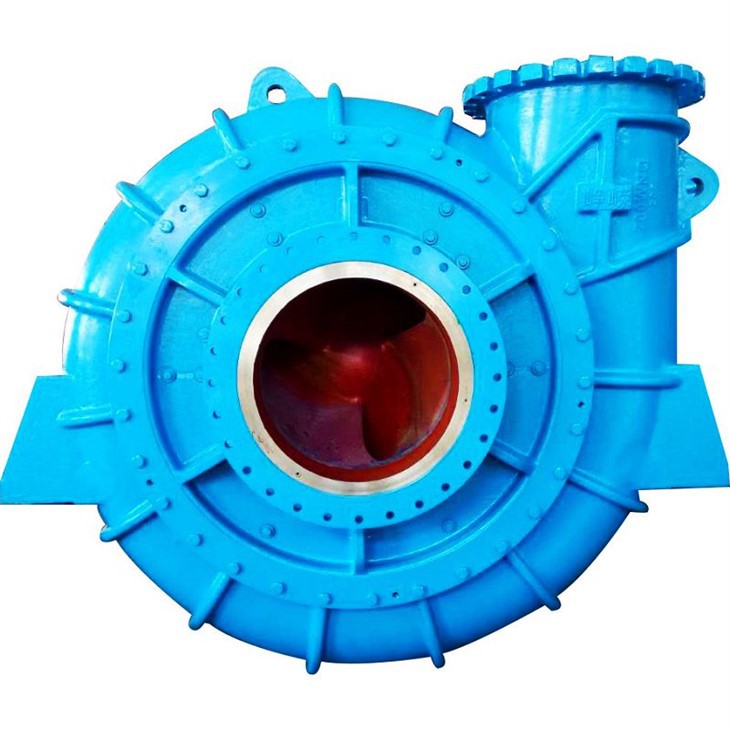
Choosing the right pond dredge pump is the first step towards a successful installation. There are several types of dredge pumps available on the market, each with its own unique features and capabilities. Some of the most common types of pond dredge pumps include Submersible Dredge Pump, Gravel Pump, and Suction Dredge Pump.
When selecting a pond dredge pump, you'll need to consider several factors, including the size and depth of the pond, the type and amount of sediment you need to remove, and the desired flow rate and head pressure. It's also important to choose a pump that is durable and reliable, as it will be operating in a harsh and demanding environment.
Preparing the Installation Site
Once you've selected the right pond dredge pump, it's time to prepare the installation site. This involves clearing the area around the pump location of any debris, rocks, or vegetation that could interfere with the installation process. You'll also need to ensure that the site is level and stable, as the pump will need to be securely mounted to prevent any movement or vibration during operation.
In addition to preparing the installation site, you'll also need to make sure that you have all the necessary tools and equipment on hand. This may include a drill, wrenches, screwdrivers, and a level. You'll also need to have the appropriate suction and discharge hoses, as well as any fittings or adapters that may be required.
Installing the Pond Dredge Pump
The installation process for a pond dredge pump will vary depending on the type and model of the pump you've selected. However, there are some general steps that you can follow to ensure a successful installation.
Step 1: Mount the Pump
The first step in the installation process is to mount the pump to a secure and stable surface. This may involve using brackets, bolts, or other mounting hardware to attach the pump to a concrete pad, a metal frame, or another suitable structure. Make sure that the pump is level and aligned properly, as this will help to ensure efficient operation and prevent any damage to the pump or the hoses.
Step 2: Connect the Suction and Discharge Hoses
Once the pump is mounted, you'll need to connect the suction and discharge hoses. The suction hose should be placed in the pond at a location where it can effectively remove sediment and debris. Make sure that the suction hose is long enough to reach the bottom of the pond and that it is free from any kinks or blockages.
The discharge hose should be routed to a location where the sediment and debris can be safely disposed of. This may involve discharging the material into a sedimentation tank, a holding pond, or another suitable location. Make sure that the discharge hose is also long enough to reach the desired location and that it is properly secured to prevent any leaks or spills.
Step 3: Prime the Pump
Before starting the pump, you'll need to prime it to remove any air from the system. This involves filling the pump and the suction hose with water to create a vacuum that will allow the pump to draw in water and sediment. To prime the pump, you can use a priming pump or a garden hose to fill the pump and the suction hose with water. Make sure that the water level in the pump is above the impeller to ensure proper priming.
Step 4: Test the Pump
Once the pump is primed, you can start it and test its operation. Check the suction and discharge hoses for any leaks or blockages, and make sure that the pump is running smoothly and efficiently. You may also need to adjust the flow rate and head pressure of the pump to ensure that it is operating at the optimal level for your specific application.
Maintaining the Pond Dredge Pump
Proper maintenance is essential to ensure the long-term performance and reliability of your pond dredge pump. This involves regular inspections, cleaning, and lubrication of the pump and its components. You'll also need to replace any worn or damaged parts as needed to prevent any breakdowns or malfunctions.
In addition to regular maintenance, you'll also need to monitor the performance of the pump and make any necessary adjustments to ensure that it is operating at the optimal level. This may involve adjusting the flow rate, head pressure, or other operating parameters of the pump based on the specific conditions of your pond and waterfall.

Conclusion
Installing a pond dredge pump in a pond with a waterfall is a complex and challenging process that requires careful planning and preparation. By following the installation requirements outlined in this blog post, you can ensure that your pond dredge pump is installed correctly and operates efficiently and reliably for years to come.
If you're interested in learning more about our pond dredge pumps or have any questions about the installation process, please don't hesitate to contact us. Our team of experts is always available to provide you with the information and support you need to make the right decision for your pond and waterfall.
References
- "Pond Dredging: A Guide to Maintaining Your Pond's Health and Beauty." Pond Boss Magazine.
- "How to Choose the Right Dredge Pump for Your Pond." Dredge Pump Manufacturer's Association.
- "Installation and Maintenance Guide for Pond Dredge Pumps." Manufacturer's Manual.


