

Hey there! I'm a supplier of Froth Slurry Pumps, and I've seen firsthand how important it is for operators to be well - trained. In this blog, I'll break down the training requirements for operators of these pumps.
Understanding the Froth Slurry Pump
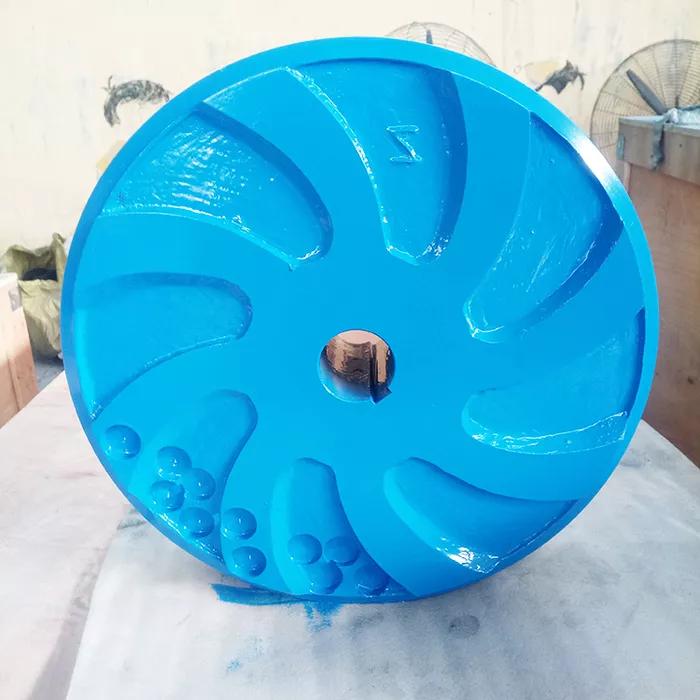
First things first, operators need to have a good grasp of what a Froth Slurry Pump is and how it works. A Froth Slurry Pump is designed to handle a mixture of froth and slurry, which can be quite challenging due to the unique properties of both components. The froth is full of air bubbles, which can cause issues like cavitation if not managed properly. The slurry, on the other hand, consists of solid particles suspended in a liquid, and these particles can cause wear and tear on the pump components.
Operators should learn about the basic principles of pump operation. This includes understanding how the impeller rotates to create a centrifugal force that moves the froth slurry through the pump. They also need to know about the different parts of the pump, such as the casing, the shaft, and the seals. Knowing how these parts interact is crucial for smooth operation.
Safety Training
Safety is always a top priority when operating any kind of industrial equipment, and Froth Slurry Pumps are no exception. Operators should receive comprehensive safety training.
They need to learn about the potential hazards associated with the pump. For example, the high - pressure nature of the pump can lead to leaks, which may cause injury if the operator comes into contact with the froth slurry. The moving parts of the pump can also pose a risk of entanglement or crushing.
Personal protective equipment (PPE) is a must. Operators should be trained to wear appropriate gear, such as safety glasses, gloves, and hard hats. They also need to know how to properly use safety devices like emergency stop buttons and safety guards.
Maintenance and Inspection Training
Regular maintenance and inspection are key to keeping a Froth Slurry Pump in good working condition. Operators should be trained on how to perform basic maintenance tasks.
This includes checking the pump's lubrication levels. Proper lubrication is essential to reduce friction between moving parts and prevent overheating. Operators should know how to add lubricant when needed and what type of lubricant to use.
Inspection of the pump components is also crucial. They need to learn how to look for signs of wear and tear, such as cracks in the casing or excessive wear on the impeller. If any issues are detected, operators should know how to report them immediately and follow the proper procedures for repair.
Operating Procedures Training
Operators need to be well - versed in the correct operating procedures for the Froth Slurry Pump. This starts with the startup process. They should know how to properly prime the pump before starting it. Priming is important to remove air from the pump and ensure that it can effectively move the froth slurry.
During operation, operators need to monitor the pump's performance. They should keep an eye on parameters like pressure, flow rate, and temperature. Any significant changes in these parameters could indicate a problem with the pump.
Shutting down the pump also requires proper procedure. Operators should know how to gradually reduce the flow and pressure before turning off the pump to prevent damage to the components.
Troubleshooting Training
Even with proper maintenance and operation, problems can still occur. That's why operators need to be trained in troubleshooting.

They should learn how to identify common problems, such as reduced flow rate or abnormal noise. For example, if the flow rate is low, it could be due to a clogged impeller or a blockage in the pipeline. Operators should know how to perform basic checks to determine the cause of the problem.
Once the problem is identified, they need to know how to take appropriate action. This could involve simple tasks like cleaning the impeller or more complex procedures like replacing a faulty component.
Training on Related Pumps
It can also be beneficial for operators to have some knowledge of related pumps. For instance, a High Pressure Slurry Pump may have some similarities in operation and maintenance. Understanding these related pumps can give operators a broader perspective and help them better handle different situations.
Similarly, learning about a Reciprocating Mud Pump can provide insights into different pumping mechanisms. And having knowledge of a Pump Used For Slurry can further enhance their understanding of slurry - handling pumps in general.
Continuous Training
The world of pumps is constantly evolving, with new technologies and best practices emerging all the time. That's why continuous training is so important.
We, as a Froth Slurry Pump supplier, can offer ongoing training programs to keep operators up - to - date. This could include training on new pump models, updated safety regulations, or more efficient operating procedures.
Conclusion
In conclusion, proper training for operators of Froth Slurry Pumps is essential for safe and efficient operation. From understanding the pump's basic principles to mastering safety procedures, maintenance, and troubleshooting, there's a lot that operators need to learn.
If you're in the market for a Froth Slurry Pump or looking to improve the training of your operators, don't hesitate to reach out. We're here to provide you with high - quality pumps and comprehensive training solutions. Let's start a conversation and see how we can meet your needs.
References
- "Industrial Pump Handbook"
- "Safety Guidelines for Pump Operators"
- Manufacturer's manuals for Froth Slurry Pumps


