

As a reputable supplier of end suction pumps, I am often asked about the flow rate range of these versatile pumps. End suction pumps are widely used in various industries due to their simplicity, efficiency, and reliability. In this blog post, I will delve into the factors that influence the flow rate range of end suction pumps and provide a comprehensive overview of what you can expect.
Understanding End Suction Pumps
Before we discuss the flow rate range, let's briefly understand what an end suction pump is. An end suction pump is a type of centrifugal pump that has a single suction port located at one end of the pump casing. The impeller, which is the rotating component of the pump, is mounted on a shaft and is responsible for creating the centrifugal force that moves the fluid through the pump.
End suction pumps are available in different configurations, including End Suction Centrifugal Water Pump, Vertical End Suction Pump, and End Suction Monoblock Pump. Each type has its own unique features and applications, but they all operate on the same basic principle of using centrifugal force to transfer fluid.
Factors Affecting the Flow Rate Range
The flow rate range of an end suction pump is determined by several factors, including the pump design, impeller size, motor power, and the characteristics of the fluid being pumped. Let's take a closer look at each of these factors:
Pump Design
The design of the pump casing and impeller plays a crucial role in determining the flow rate range. A well-designed pump casing can minimize internal losses and improve the efficiency of the pump, allowing it to achieve higher flow rates. The shape and size of the impeller also affect the flow rate, as a larger impeller can generate more centrifugal force and move more fluid through the pump.
Impeller Size
The size of the impeller is directly proportional to the flow rate of the pump. A larger impeller can move more fluid per revolution, resulting in a higher flow rate. However, increasing the impeller size also requires more power from the motor, so there is a limit to how large the impeller can be.
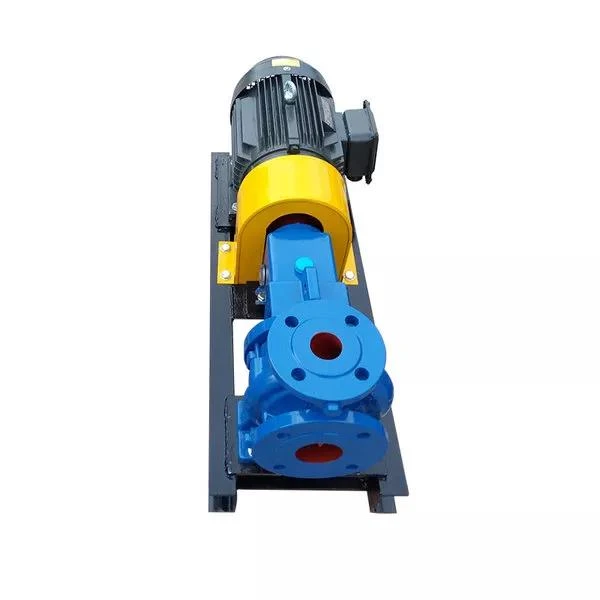

Motor Power
The motor power of the pump determines the maximum flow rate that the pump can achieve. A more powerful motor can drive the impeller at a higher speed, generating more centrifugal force and allowing the pump to move more fluid. However, it's important to note that the motor power should be matched to the pump design and impeller size to ensure optimal performance.
Fluid Characteristics
The characteristics of the fluid being pumped, such as viscosity, density, and temperature, can also affect the flow rate range of the pump. For example, a more viscous fluid will require more power to pump and may result in a lower flow rate. Similarly, a fluid with a higher density will require more energy to move, which can also reduce the flow rate.
Typical Flow Rate Range
The flow rate range of an end suction pump can vary widely depending on the specific pump model and application. In general, end suction pumps can have flow rates ranging from a few gallons per minute (GPM) to several thousand GPM.
For small residential and commercial applications, such as water supply systems and irrigation, end suction pumps typically have flow rates in the range of 10 to 100 GPM. These pumps are usually powered by small electric motors and are designed for low to medium head applications.
For industrial applications, such as wastewater treatment, chemical processing, and oil and gas production, end suction pumps can have much higher flow rates. Industrial pumps can have flow rates ranging from 100 to several thousand GPM, depending on the size and power of the pump. These pumps are often powered by larger electric motors or diesel engines and are designed for high head applications.
Selecting the Right Pump for Your Application
When selecting an end suction pump for your application, it's important to consider the specific requirements of your system, including the flow rate, head, and fluid characteristics. Here are some tips to help you choose the right pump:
Determine the Required Flow Rate
The first step in selecting a pump is to determine the required flow rate for your application. This can be calculated based on the volume of fluid that needs to be pumped per unit of time. Make sure to consider any future expansion or changes in your system when determining the required flow rate.
Calculate the Required Head
The head is the total energy required to move the fluid from the suction side of the pump to the discharge side. It includes the elevation difference, friction losses in the piping system, and any pressure requirements at the discharge point. Calculate the required head based on the specific details of your system.
Consider the Fluid Characteristics
As mentioned earlier, the characteristics of the fluid being pumped can affect the performance of the pump. Make sure to choose a pump that is compatible with the fluid you are pumping, taking into account factors such as viscosity, density, and temperature.
Choose the Right Pump Type
There are different types of end suction pumps available, each with its own unique features and applications. Consider the specific requirements of your system and choose the pump type that best suits your needs. For example, if you need a pump for a vertical installation, a Vertical End Suction Pump may be the best choice.
Conclusion
In conclusion, the flow rate range of an end suction pump can vary widely depending on several factors, including the pump design, impeller size, motor power, and fluid characteristics. By understanding these factors and selecting the right pump for your application, you can ensure optimal performance and efficiency.
If you are in the market for an end suction pump, I encourage you to contact us for more information. Our team of experts can help you select the right pump for your specific needs and provide you with a customized solution. We offer a wide range of end suction pumps, including End Suction Centrifugal Water Pump, Vertical End Suction Pump, and End Suction Monoblock Pump, and we are committed to providing our customers with high-quality products and excellent service.


