

What is the vibration level of a gravel pump?
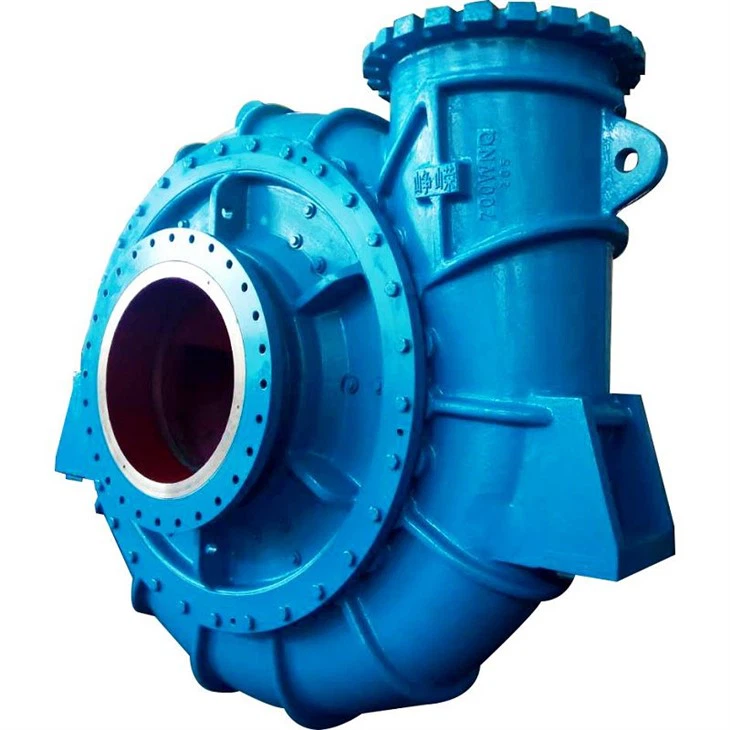
As a gravel pump supplier, I often encounter inquiries regarding the vibration level of gravel pumps. Understanding the vibration level is crucial for the proper operation, maintenance, and longevity of these pumps. In this blog, I will delve into what the vibration level of a gravel pump is, why it matters, and how to manage it effectively.
What is the vibration level of a gravel pump?
The vibration level of a gravel pump refers to the magnitude and frequency of the oscillations or movements that the pump experiences during its operation. It is typically measured in terms of displacement (the distance of the movement), velocity (the speed of the movement), or acceleration (the rate of change of velocity). These measurements are usually expressed in units such as millimeters (mm) for displacement, millimeters per second (mm/s) for velocity, and meters per second squared (m/s²) for acceleration.
Vibration in a gravel pump can occur due to various factors. One of the primary causes is the unbalanced forces within the pump. For example, if the impeller of the pump is not perfectly balanced, it will create an uneven distribution of mass. As the impeller rotates at high speeds, this imbalance leads to centrifugal forces that cause the pump to vibrate. Other factors include misalignment of the pump shaft with the motor shaft, loose mounting of the pump, or problems with the bearings.
Why does the vibration level matter?
Monitoring the vibration level of a gravel pump is essential for several reasons. Firstly, excessive vibration can lead to mechanical failures. High - level vibrations can cause components such as bearings, seals, and shafts to wear out more quickly. The constant shaking can loosen bolts and nuts, leading to leaks and potential damage to the pump casing. Over time, this can result in costly repairs or even the need for a complete pump replacement.
Secondly, vibration can affect the performance of the pump. When a pump vibrates excessively, it may not be able to operate at its optimal efficiency. The energy that should be used for pumping the gravel - laden fluid is instead wasted in generating vibrations. This can lead to increased power consumption and reduced flow rates, which can have a significant impact on the overall productivity of the pumping system.
Moreover, high vibration levels can also pose safety risks. In industrial settings, a vibrating pump can cause noise pollution, which can be harmful to workers' hearing. Additionally, if the vibration is severe enough, it can cause the pump to become unstable, increasing the risk of it tipping over or causing other accidents in the workplace.
How to measure the vibration level?
There are several methods and tools available for measuring the vibration level of a gravel pump. One of the most common tools is a vibration sensor or accelerometer. These sensors can be attached to the pump casing at various points to measure the acceleration of the vibrations. The data collected by the sensors can then be analyzed using specialized software to determine the frequency and amplitude of the vibrations.
Another method is to use a stroboscope. A stroboscope emits short, intense flashes of light at a controllable frequency. By shining the stroboscope on the rotating parts of the pump, such as the impeller, it is possible to visually inspect for any signs of imbalance or misalignment. If the impeller appears to be stationary or moving slowly under the stroboscopic light, it indicates that the frequency of the light is close to the rotational frequency of the impeller. Any visible irregularities in the impeller's appearance can suggest a problem that may be causing vibration.
How to manage the vibration level?
Once the vibration level of a gravel pump has been measured, appropriate measures can be taken to manage it. If the vibration is due to an unbalanced impeller, the impeller can be re - balanced. This usually involves adding or removing small amounts of weight from the impeller to achieve a more even distribution of mass. Professional balancing equipment is often used to ensure accurate results.
In cases where misalignment is the cause of the vibration, realigning the pump shaft with the motor shaft is necessary. This can be a complex process that requires precise measurement and adjustment. Laser alignment tools are commonly used to ensure that the shafts are properly aligned within the specified tolerances.
Loose mounting of the pump can also be addressed by tightening the bolts and nuts that secure the pump to its base. It is important to ensure that the mounting surface is flat and level to prevent any additional stress on the pump.
Regular maintenance and inspection are also crucial for managing the vibration level. This includes checking the condition of the bearings, replacing worn - out parts, and lubricating moving components as recommended by the manufacturer.
Related products and their vibration management
As a gravel pump supplier, we also offer a range of related products such as Pond Dredge Pump, Suction Dredge Pump, and Submersible Dredge Pump. These pumps also require careful management of their vibration levels.
Pond dredge pumps are often used in relatively small - scale applications such as pond cleaning. Since they are usually smaller in size, they may be more sensitive to vibration. Proper installation and regular checks are essential to ensure that the vibration levels are within acceptable limits.
Suction dredge pumps are designed to suck in sediment and gravel from the bottom of water bodies. These pumps typically operate under high - pressure conditions, which can increase the likelihood of vibration. Advanced design features and strict quality control during manufacturing help to minimize vibration in our suction dredge pumps.
Submersible dredge pumps are submerged in water, which can provide some damping effect on the vibrations. However, they still need to be carefully monitored. The electrical components of submersible pumps can be particularly vulnerable to damage caused by excessive vibration, so maintaining a low vibration level is of utmost importance.
Conclusion
In conclusion, understanding and managing the vibration level of a gravel pump is essential for its reliable operation, performance, and safety. By measuring the vibration level using appropriate tools, identifying the root causes of the vibration, and taking corrective actions, we can ensure that the pump operates efficiently and has a long service life.
If you are in need of a gravel pump or any of our related products such as pond dredge pumps, suction dredge pumps, or submersible dredge pumps, and would like to discuss your specific requirements, we encourage you to contact us for a detailed consultation. Our team of experts is ready to assist you in finding the most suitable pump for your application and providing guidance on vibration management and maintenance.

References
- Pump Handbook, Karassik, I. J., Messina, J. P., Cooper, P. T., & Heald, C. C. (2008).
- Machinery Vibration: Analysis, Monitoring, and Diagnosis, Rao, S. S. (2009).
- Dredging and Dredge Pumps: Theory, Design, and Applications, Vlasblom, J. (2012).


