

Hey there! I'm a supplier of suction dredge pumps, and today I wanna chat about the materials commonly used to make these bad boys. Suction dredge pumps are super important in a bunch of industries, like mining, construction, and environmental cleanup. They're used to move all sorts of stuff, from mud and sand to gravel and even some pretty heavy-duty debris. So, the materials they're made of gotta be tough enough to handle all that action.
Let's start with cast iron. Cast iron is one of the oldest and most widely used materials for making suction dredge pumps. It's got some great qualities. First off, it's really strong and can withstand a lot of pressure. This is crucial because when you're pumping thick, heavy materials, there's a ton of force involved. Cast iron also has good wear resistance, which means it can handle the abrasion from all the particles flowing through the pump.
But it's not all sunshine and rainbows. Cast iron is pretty heavy, which can make the pump a bit cumbersome to move around. And it's also prone to corrosion, especially if it's used in environments where there's a lot of moisture or chemicals. So, in some cases, you might need to take extra steps to protect it, like coating it with a special paint or using a corrosion-resistant lining.
Next up is stainless steel. Stainless steel is a real star when it comes to making suction dredge pumps. It's incredibly strong and durable, just like cast iron, but it's also highly resistant to corrosion. This makes it a great choice for pumps that are used in marine environments or in areas where there's a lot of saltwater or other corrosive substances.
Stainless steel is also pretty easy to clean, which is a big plus. When you're dealing with all sorts of muck and grime, being able to keep the pump clean is essential for its performance and longevity. And because it's a bit lighter than cast iron, it can be a bit easier to handle and install. However, stainless steel is more expensive than cast iron, so that's something to keep in mind when you're making a decision.
Another popular material is rubber. Rubber is often used for the impellers and liners of suction dredge pumps. The impeller is the part of the pump that actually moves the fluid, and the liner protects the inside of the pump from wear and tear. Rubber is great because it's flexible and can absorb a lot of shock. This means it can handle the impact of the particles flowing through the pump without getting damaged.
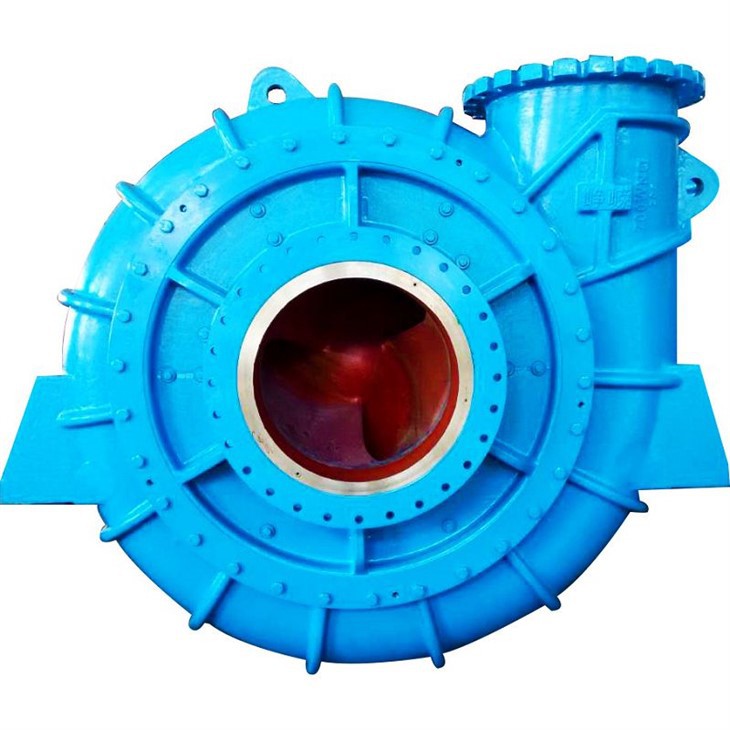

It also has good abrasion resistance, which is important when you're dealing with rough materials. And because rubber is a bit softer than metal, it can actually create a better seal, which helps to improve the efficiency of the pump. But rubber does have its limitations. It can degrade over time, especially if it's exposed to high temperatures or certain chemicals. So, you might need to replace the rubber parts more often than the metal ones.
Now, let's talk about some of the newer materials that are being used in suction dredge pumps. One of these is ceramic. Ceramic is an extremely hard and wear-resistant material. It can handle the most abrasive materials without getting scratched or worn down. This makes it a great choice for pumps that are used in very tough environments, like mining or quarrying.
Ceramic is also very lightweight, which can be a big advantage. It can reduce the overall weight of the pump, making it easier to transport and install. However, ceramic is also very brittle, which means it can crack or break if it's subjected to too much stress. So, it needs to be used carefully and in the right applications.
Another new material is composite. Composites are made by combining two or more different materials to create a new material with unique properties. In the case of suction dredge pumps, composites can be used to create parts that are strong, lightweight, and corrosion-resistant. They can also be designed to have specific properties, like high wear resistance or good flexibility.
Composites are still relatively new in the world of suction dredge pumps, but they're starting to gain popularity. They offer a lot of potential for improving the performance and efficiency of pumps, and they could be the future of pump manufacturing.
So, those are some of the most commonly used materials for making suction dredge pumps. Each material has its own advantages and disadvantages, and the choice of material depends on a variety of factors, like the application, the environment, and the budget.
If you're in the market for a suction dredge pump, I'd be more than happy to help you find the right one for your needs. Whether you're looking for a Mud Dredge Pump, a Submersible Dredge Pump, or an Electric Dredge Pump, I've got a wide range of options to choose from. Just reach out, and we can have a chat about what would work best for you.
References:
- Industry reports on pump manufacturing materials
- Technical specifications of various suction dredge pumps


