

As a gravel pump supplier, I understand the importance of safety when operating these powerful machines. Gravel pumps are commonly used in various industries, including mining, dredging, and construction, to transfer abrasive and high-density slurries. However, due to their high power and the nature of the materials they handle, they can pose significant risks if not used correctly. In this blog post, I will outline some essential safety precautions that should be taken when using a gravel pump.
Pre - operation Safety Checks
Before starting the gravel pump, a series of thorough checks should be carried out. First, inspect the pump's physical condition. Check for any visible signs of damage, such as cracks in the pump casing, loose bolts, or worn - out parts. A damaged pump can not only lead to inefficiency but also pose a safety hazard. For example, a cracked casing may burst under pressure, causing the slurry to spray out and potentially injure nearby workers.
Examine the electrical components if it is an Electric Dredge Pump. Ensure that all wiring is intact, there are no exposed wires, and the electrical connections are secure. Faulty electrical connections can result in electrical shocks or even fires. Also, make sure that the pump is properly grounded to prevent electrical hazards.

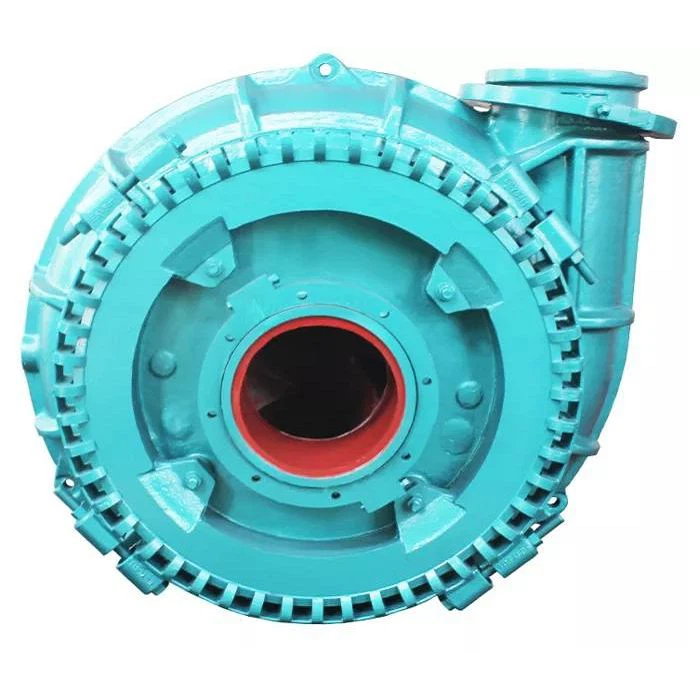
Check the lubrication levels of the pump. Insufficient lubrication can cause excessive friction, leading to overheating and premature wear of the pump's moving parts. Refer to the manufacturer's manual for the correct type and level of lubricant required.
Verify the alignment of the pump and the motor. Misalignment can cause excessive vibration, which not only affects the pump's performance but also increases the risk of mechanical failure. Use appropriate alignment tools to ensure that the pump and motor are correctly aligned.
Personal Protective Equipment (PPE)
Wearing the appropriate personal protective equipment is crucial when operating a gravel pump. Workers should wear safety goggles to protect their eyes from flying debris, such as gravel or slurry splashes. The abrasive nature of the materials being pumped can cause serious eye injuries if proper protection is not worn.
Ear protection is also necessary as gravel pumps can generate high - decibel noise levels during operation. Prolonged exposure to loud noise can lead to hearing loss. Workers should wear earplugs or earmuffs to reduce the noise impact.
A hard hat should be worn to protect the head from falling objects or potential impacts. In a mining or construction environment, there is always a risk of objects falling from above, and a hard hat can provide essential protection.
Gloves are required to protect the hands from abrasion, cuts, and chemical exposure. The slurry being pumped may contain chemicals or sharp particles that can harm the skin. Choose gloves that are resistant to abrasion and chemical substances.
Additionally, workers should wear safety boots with steel toes. These boots protect the feet from heavy objects, sharp tools, and potential punctures. They also provide good traction on slippery surfaces, reducing the risk of slips and falls.
Operating the Gravel Pump
When starting the Gravel Pump, follow the manufacturer's startup procedure carefully. Do not try to start the pump if any of the pre - operation checks have revealed issues. First, prime the pump if required. Priming ensures that the pump is filled with liquid and eliminates air pockets, which can prevent the pump from operating efficiently.
Monitor the pump's operating parameters, such as pressure, flow rate, and temperature. Abnormal readings can indicate a problem with the pump. For example, a sudden increase in pressure may mean that there is a blockage in the pipeline, while a high temperature may suggest a lubrication or mechanical issue.
Avoid overloading the pump. Operating the pump beyond its rated capacity can cause overheating, excessive wear, and even pump failure. Make sure that the flow rate and pressure requirements of the system are within the pump's specifications.
Keep a safe distance from the moving parts of the pump. The impeller and other rotating components can cause severe injuries if a person comes into contact with them. Install appropriate guards around the moving parts to prevent accidental access.
Pipeline Safety
The pipeline connected to the gravel pump is an important part of the system, and its safety should not be overlooked. Inspect the pipeline regularly for signs of wear, corrosion, or damage. A damaged pipeline can lead to leaks, which not only waste the pumped material but also pose a safety risk.
Ensure that the pipeline is properly supported. An unsupported or poorly supported pipeline can sag or vibrate, increasing the risk of damage. Use appropriate pipe supports and brackets to keep the pipeline in place.
When connecting or disconnecting the pipeline, follow the correct procedures. Make sure that the connections are tight and secure to prevent leaks. Use appropriate gaskets and sealing materials to ensure a proper seal.
Maintenance and Shutdown
Regular maintenance is essential to keep the gravel pump in good working condition and to ensure safety. Follow the manufacturer's maintenance schedule for tasks such as lubrication changes, filter replacements, and inspections.
When shutting down the pump, follow the correct shutdown procedure. First, reduce the flow rate gradually to avoid water hammer, which can cause damage to the pump and the pipeline. Then, turn off the power supply and lock out the equipment to prevent accidental startup.
After shutdown, clean the pump and the surrounding area. Remove any accumulated slurry or debris, as these can cause corrosion and affect the pump's performance.
Safety Training
All workers involved in the operation, maintenance, and handling of the gravel pump should receive comprehensive safety training. The training should cover the pump's operation, pre - operation checks, PPE usage, emergency procedures, and maintenance requirements.
Regular safety drills should be conducted to ensure that workers are familiar with emergency procedures, such as how to respond to a pump failure, a leak, or an electrical hazard.
Conclusion
Using a gravel pump safely requires a combination of pre - operation checks, proper use of personal protective equipment, careful operation, pipeline safety, regular maintenance, and adequate safety training. By following these safety precautions, the risk of accidents and injuries can be significantly reduced.
If you are in the market for a high - quality Gravel Pump or need more information about our products, we are here to assist you. Our team of experts can provide you with detailed product specifications, technical support, and guidance on safety best practices. Whether you are involved in mining, dredging a pond with a Pond Dredge Pump, or any other application that requires a gravel pump, we can offer solutions tailored to your needs. Contact us to start a discussion about your requirements and explore how our gravel pumps can meet your project demands.
References
- Manufacturer's manuals for gravel pumps
- Occupational Safety and Health Administration (OSHA) guidelines for pump operation
- Industry best practices for safety in mining, dredging, and construction


