The Mechanical Principle of a Froth Slurry Pump
A froth slurry pump is a specialized centrifugal pump engineered to transport slurries containing a high volume of entrained air or gas, a condition common in mineral flotation circuits. Standard slurry pumps are highly susceptible to air locking, where air accumulates in the impeller eye, disrupting prime and causing a significant drop or complete cessation of flow.
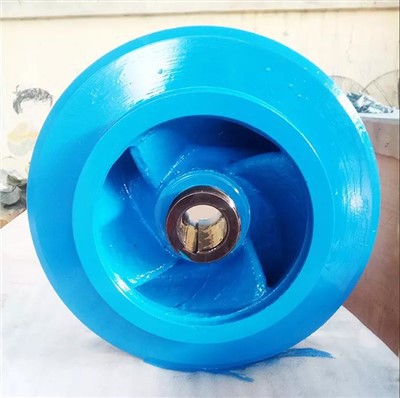
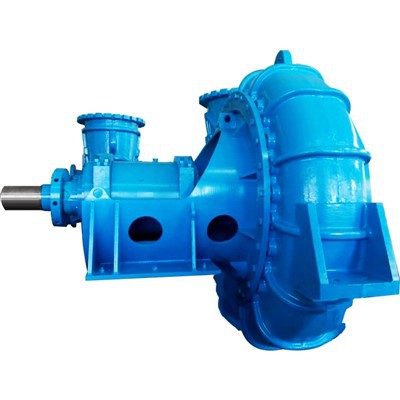
The froth pump mitigates this issue through a distinct design. It incorporates an enlarged, conical inlet hopper and a vortex finder. The tangential feed into this hopper induces a vortex within the slurry. This centrifugal action forces the heavier, liquid-solid slurry mixture to the outer perimeter of the hopper while concentrating the lighter, entrained air into a central core. The air is then vented from the system. The pump's impeller, which is also oversized and features specific vane geometry, draws the now-denser, degassed slurry from the hopper's perimeter. This continuous mechanical separation of air from the slurry ensures the pump maintains a consistent prime and efficiently transports the frothy mixture without interruption, making it essential for flotation processes where froth factors are high.