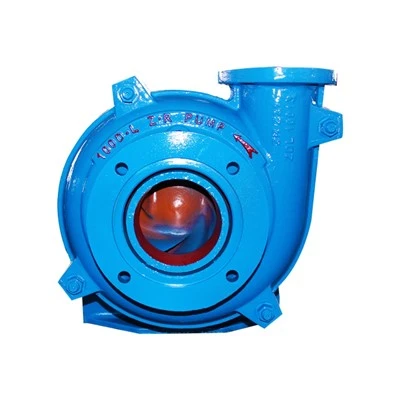
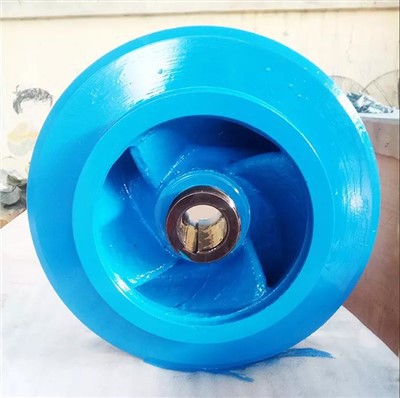
Industrial slurry pumps are mostly of centrifugal design. The motor drives the impeller at high speed, and the slurry is thrown from the center of the impeller to the outer edge by centrifugal force, creating pressure energy within the pump chamber and transporting it to the pipeline system. Because the conveyed medium usually contains a large amount of solid particles, slurry pumps differ from ordinary centrifugal pumps in terms of flow channel width, impeller design, and sealing method to prevent clogging, reduce wear, and extend service life.
Main structural components:
Impeller:
Mostly uses open or semi-open structures with wide flow channels
Strong resistance to erosion, reducing particle jamming
Pump casing (volute):
Thick inner wall, impact and wear resistant
Often designed with replaceable liners for easy maintenance
Shaft and bearing assembly:
High-strength alloy shaft, good rigidity
Heavy-duty bearings, suitable for long-term continuous operation
Sealing system:
Packing seal, mechanical seal, or auxiliary impeller seal
Designed to prevent leakage in media containing sand and highly abrasive materials
Driving device:
Direct motor drive or belt drive
Can be equipped with a variable frequency speed control system to adapt to changing operating conditions