

As a supplier of High Head Sewage Pumps, I understand the importance of properly adjusting the flow rate of these pumps to ensure efficient and effective operation. In this blog post, I will share some practical methods and considerations for adjusting the flow rate of a high head sewage pump.
Understanding the Basics of High Head Sewage Pumps
Before delving into the flow rate adjustment methods, it's essential to have a basic understanding of high head sewage pumps. High head sewage pumps are designed to handle the transportation of sewage and wastewater over long distances or to higher elevations. They are characterized by their ability to generate high pressure to overcome the resistance in the pipeline system.
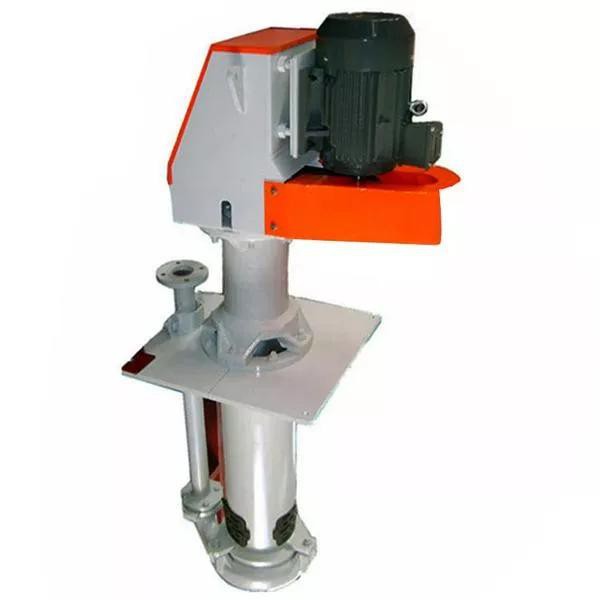
These pumps typically consist of an impeller, a casing, a motor, and a control system. The impeller rotates at high speed, creating a centrifugal force that sucks in the sewage and propels it through the pump and into the pipeline. The casing encloses the impeller and directs the flow of the sewage. The motor provides the power to drive the impeller, and the control system regulates the operation of the pump.
Factors Affecting the Flow Rate of High Head Sewage Pumps
Several factors can affect the flow rate of a high head sewage pump. Understanding these factors is crucial for making accurate adjustments. Here are some of the key factors:
- Pump Design and Capacity: The design and capacity of the pump determine its maximum flow rate. Different models of high head sewage pumps have different flow rate capabilities. It's important to select a pump that is suitable for the specific application requirements.
- Pipeline Resistance: The resistance in the pipeline system, including friction losses, elevation changes, and valve restrictions, can significantly affect the flow rate. Higher resistance will result in a lower flow rate.
- Sewage Characteristics: The characteristics of the sewage, such as its viscosity, density, and solid content, can also impact the flow rate. Sewage with higher viscosity or solid content will require more energy to pump, which may reduce the flow rate.
- Operating Conditions: The operating conditions, such as the temperature, pressure, and altitude, can affect the performance of the pump and, consequently, the flow rate.
Methods for Adjusting the Flow Rate of High Head Sewage Pumps
There are several methods for adjusting the flow rate of a high head sewage pump. The choice of method depends on the specific situation and the available equipment. Here are some common methods:

-
Throttle Valve Adjustment: One of the simplest and most common methods is to use a throttle valve to adjust the flow rate. A throttle valve is installed in the pipeline downstream of the pump. By partially closing the valve, the resistance in the pipeline increases, which reduces the flow rate. This method is suitable for making small adjustments to the flow rate. However, it should be noted that excessive throttling can cause the pump to operate inefficiently and may lead to increased energy consumption.
-
Variable Frequency Drive (VFD): A Variable Frequency Drive is an electronic device that can adjust the speed of the pump motor. By changing the frequency of the electrical power supplied to the motor, the speed of the motor and, consequently, the flow rate of the pump can be adjusted. VFDs offer precise control over the flow rate and can also improve the energy efficiency of the pump. They are particularly suitable for applications where the flow rate needs to be adjusted frequently or over a wide range.
-
Impeller Trimming: In some cases, it may be necessary to adjust the flow rate by trimming the impeller of the pump. Impeller trimming involves reducing the diameter of the impeller, which reduces the amount of fluid that the impeller can handle and, therefore, the flow rate. This method is typically used when a more permanent adjustment to the flow rate is required. However, it should be performed by a qualified technician to ensure that the pump operates safely and efficiently.
-
Parallel Pump Operation: Another method for adjusting the flow rate is to operate multiple pumps in parallel. By adding or removing pumps from the system, the total flow rate can be increased or decreased. This method is suitable for applications where a large range of flow rates needs to be accommodated. However, it requires careful design and control to ensure that the pumps operate in a coordinated manner.
Considerations for Flow Rate Adjustment
When adjusting the flow rate of a high head sewage pump, there are several important considerations to keep in mind:
- Pump Performance Curve: It's essential to refer to the pump performance curve provided by the manufacturer. The performance curve shows the relationship between the flow rate, head, power consumption, and efficiency of the pump. By using the performance curve, you can determine the optimal operating point for the pump and make adjustments accordingly.
- Energy Efficiency: Adjusting the flow rate should be done in a way that maximizes the energy efficiency of the pump. As mentioned earlier, excessive throttling or operating the pump at a speed that is too low or too high can result in increased energy consumption. Therefore, it's important to choose the most appropriate adjustment method and ensure that the pump operates within its efficient range.
- System Compatibility: Any adjustments to the flow rate should be made in consideration of the overall system compatibility. Changes in the flow rate can affect the performance of other components in the system, such as valves, pipes, and other pumps. It's important to ensure that all components are able to operate safely and efficiently under the new flow conditions.
- Monitoring and Maintenance: After making adjustments to the flow rate, it's important to monitor the performance of the pump regularly. This includes measuring the flow rate, head, power consumption, and other relevant parameters. Regular maintenance of the pump, including lubrication, inspection, and replacement of worn parts, is also essential to ensure its long-term reliability and performance.
Conclusion
Adjusting the flow rate of a high head sewage pump is an important aspect of ensuring its efficient and effective operation. By understanding the factors that affect the flow rate and using the appropriate adjustment methods, you can optimize the performance of the pump and meet the specific requirements of your application.
As a supplier of High Head Sewage Pumps, we offer a wide range of high-quality pumps and related products, including Sewage Mud Pumps and Vertical Sump Pumps. Our team of experts is available to provide technical support and guidance on pump selection, installation, and operation. If you have any questions or need assistance with adjusting the flow rate of your high head sewage pump, please don't hesitate to contact us for procurement and further discussions.
References
- Pump Handbook, Karassik et al.
- Centrifugal Pumps: Design and Application, Stepanoff.
- Fluid Mechanics, Frank M. White.


