

Adjusting the flow rate of a pond dredge pump is a crucial skill for maintaining the efficiency and effectiveness of pond dredging operations. As a supplier of high - quality Pond Dredge Pump, I understand the importance of this process and am here to share some valuable insights.
Understanding the Basics of Pond Dredge Pumps
Before delving into how to adjust the flow rate, it's essential to have a basic understanding of pond dredge pumps. These pumps are specifically designed to remove sediment, sludge, and other debris from the bottom of ponds. They come in various types, such as Submersible Dredge Pump and Suction Dredge Pump, each with its own unique features and applications.

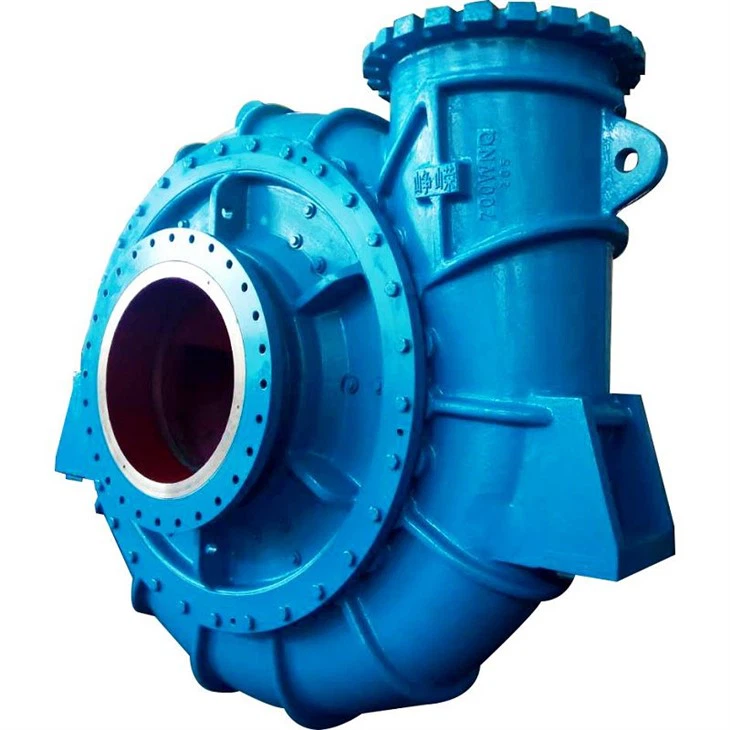
The flow rate of a pump refers to the volume of fluid that the pump can move within a given period, usually measured in gallons per minute (GPM) or cubic meters per hour (m³/h). A proper flow rate is vital for efficient dredging. If the flow rate is too low, the dredging process will be slow and ineffective. On the other hand, a flow rate that is too high can cause excessive wear on the pump components and may even lead to damage.
Factors Affecting the Flow Rate
Several factors can influence the flow rate of a pond dredge pump:
- Pump Design and Capacity: Different pump models have different maximum flow rates determined by their design and specifications. For example, a larger - sized pump generally has a higher flow capacity than a smaller one.
- Impeller Size and Speed: The impeller is a key component of the pump that creates the pumping action. A larger impeller or a higher impeller speed can increase the flow rate. However, increasing the impeller speed also increases the power consumption and may cause more wear on the impeller.
- Pipe Diameter and Length: The diameter and length of the suction and discharge pipes play a significant role. A larger - diameter pipe allows for a higher flow rate, while a longer pipe can cause more friction, reducing the flow rate.
- Fluid Viscosity and Density: The properties of the fluid being pumped, such as its viscosity and density, can affect the flow rate. Thicker and denser fluids, like sludge with a high solids content, require more energy to pump and may result in a lower flow rate.
Methods to Adjust the Flow Rate
1. Adjusting the Impeller Speed
One of the most common ways to adjust the flow rate is by changing the impeller speed. This can be achieved through different methods:
- Variable Frequency Drives (VFDs): VFDs are electronic devices that can control the speed of the electric motor driving the pump. By adjusting the frequency of the electrical power supplied to the motor, the impeller speed can be varied. This method offers precise control over the flow rate and is energy - efficient. For example, if you need to reduce the flow rate during a less - demanding part of the dredging operation, you can simply lower the frequency on the VFD.
- Pulley and Belt Systems: In some pumps, a pulley and belt system is used to transfer power from the motor to the impeller. By changing the size of the pulleys, the speed ratio can be adjusted, thus changing the impeller speed. However, this method is less precise than using VFDs and may require some mechanical adjustments.
2. Modifying the Pipe System
The pipe system also provides opportunities for flow rate adjustment:
- Changing Pipe Diameter: If you find that the flow rate is too low, you can consider increasing the diameter of the suction or discharge pipes. A larger - diameter pipe reduces the friction loss and allows for a higher flow rate. Conversely, if the flow rate is too high, a smaller - diameter pipe can be used to restrict the flow.
- Adding or Removing Pipe Fittings: Pipe fittings such as elbows, valves, and reducers can cause additional friction and pressure drop. By reducing the number of fittings or using more streamlined fittings, the flow rate can be increased. For example, replacing a 90 - degree elbow with a smooth - bend elbow can reduce the friction and improve the flow.
3. Controlling the Suction and Discharge Conditions
The conditions at the suction and discharge ends of the pump can also be adjusted to control the flow rate:
- Suction Depth: The depth at which the pump is placed in the pond can affect the suction pressure and thus the flow rate. If the suction depth is too shallow, the pump may not be able to draw in enough fluid. Increasing the suction depth can improve the suction pressure and increase the flow rate. However, too deep a suction depth may also cause problems such as cavitation.
- Discharge Head: The height and resistance at the discharge end of the pump, known as the discharge head, can impact the flow rate. Reducing the discharge head, for example, by lowering the height of the discharge pipe or reducing the resistance in the discharge system, can increase the flow rate.
Monitoring and Fine - Tuning the Flow Rate
Once you have made adjustments to the flow rate, it's important to monitor the pump's performance. You can use flow meters installed in the pipe system to measure the actual flow rate. Compare the measured flow rate with the desired flow rate and make further adjustments if necessary.
Regularly check the pump's operating parameters, such as motor current, pressure, and temperature. Unusual changes in these parameters may indicate problems with the pump or the flow rate adjustment. For example, a sudden increase in motor current may suggest that the pump is working too hard, possibly due to an incorrect flow rate adjustment.
Importance of Proper Flow Rate Adjustment
Proper flow rate adjustment offers several benefits:
- Efficiency: An optimal flow rate ensures that the dredging process is carried out as efficiently as possible, reducing the time and energy required for the operation.
- Equipment Longevity: By avoiding excessive flow rates, the wear and tear on the pump components are minimized, extending the lifespan of the pump.
- Cost - Effectiveness: Efficient operation leads to lower energy consumption and reduced maintenance costs, making the overall dredging project more cost - effective.
Conclusion
Adjusting the flow rate of a pond dredge pump is a complex but essential task. By understanding the factors that affect the flow rate and using the appropriate adjustment methods, you can ensure the efficient and reliable operation of your pond dredging system.
As a leading supplier of Pond Dredge Pump, we are committed to providing high - quality products and professional technical support. If you have any questions about flow rate adjustment or need help in selecting the right pump for your project, please feel free to reach out to us for purchasing consultations. We are here to assist you in achieving the best results for your pond dredging needs.
References
- Pump Handbook, Karassik, I. J., Messina, J. P., Cooper, P. W., & Heald, C. C. (2008).
- Dredging Operations Manual, U.S. Army Corps of Engineers (2001).


