

Hey there! I'm a supplier of Concrete Slurry Pump, and I've seen my fair share of issues with these pumps over the years. One of the most common problems that users face is blockage. A blocked concrete slurry pump can be a real headache, causing downtime, extra maintenance costs, and a whole lot of frustration. In this blog post, I'm going to share some tips on how to prevent blockage in a concrete slurry pump.
Understanding the Causes of Blockage
Before we dive into the prevention methods, it's important to understand what causes blockages in the first place. There are several factors that can contribute to blockage in a concrete slurry pump:
- Particle Size: If the particles in the slurry are too large, they can get stuck in the pump's passages, causing blockage. This is especially true for pumps with small-diameter pipes or narrow impeller channels.
- Aggregate Shape: Irregularly shaped aggregates, such as flaky or elongated particles, are more likely to cause blockage than round or cubical particles. These irregular shapes can interlock with each other and form a bridge that blocks the flow of the slurry.
- Slurry Consistency: The consistency of the slurry plays a crucial role in preventing blockage. If the slurry is too thick or too dry, it can become difficult to pump and may cause blockage. On the other hand, if the slurry is too thin, it may not have enough solids to keep the aggregates in suspension, leading to sedimentation and blockage.
- Pump Design: The design of the pump itself can also contribute to blockage. Pumps with complex geometries, such as multiple bends or sharp corners, are more likely to cause blockage than pumps with simple, straight designs.
- Maintenance: Lack of proper maintenance can also lead to blockage. Over time, wear and tear can cause the pump's components to become damaged or worn, which can increase the risk of blockage.
Prevention Methods
Now that we understand the causes of blockage, let's take a look at some prevention methods that you can implement to keep your concrete slurry pump running smoothly.
1. Select the Right Pump
The first step in preventing blockage is to select the right pump for your application. When choosing a pump, consider the following factors:
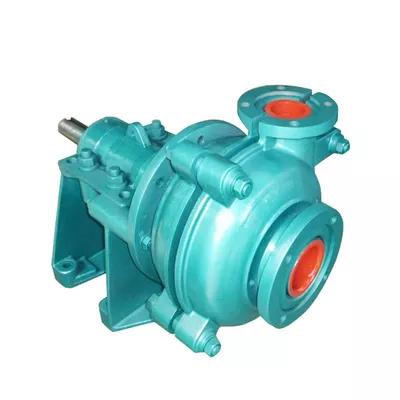

- Flow Rate: Make sure the pump has a sufficient flow rate to handle the volume of slurry that you need to pump. A pump with a too-low flow rate may not be able to keep the slurry moving, leading to blockage.
- Head Pressure: The pump should also be able to generate enough head pressure to overcome the resistance in the pipeline. If the head pressure is too low, the slurry may not be able to reach its destination, causing blockage.
- Particle Size and Shape: Choose a pump that is designed to handle the particle size and shape of the slurry that you are pumping. Some pumps are specifically designed to handle large particles or irregularly shaped aggregates, while others are better suited for fine particles.
- Pump Design: Look for a pump with a simple, straight design that minimizes the number of bends and sharp corners. This will help to reduce the risk of blockage.
2. Control the Particle Size and Shape
As mentioned earlier, particle size and shape are important factors in preventing blockage. To control the particle size and shape of the slurry, you can:
- Screen the Aggregates: Use a screen to remove any large particles or debris from the aggregates before they are added to the slurry. This will help to prevent blockage caused by oversized particles.
- Use the Right Aggregate Gradation: Make sure the aggregate gradation is appropriate for the pump and the application. A well-graded aggregate will have a good distribution of particle sizes, which will help to prevent blockage.
- Avoid Using Irregularly Shaped Aggregates: If possible, avoid using flaky or elongated aggregates, as these are more likely to cause blockage. Instead, use round or cubical aggregates.
3. Maintain the Right Slurry Consistency
The consistency of the slurry is also crucial in preventing blockage. To maintain the right slurry consistency, you can:
- Monitor the Water Content: Make sure the water content of the slurry is within the recommended range. Too much water can make the slurry too thin, while too little water can make it too thick.
- Use a Rheology Modifier: A rheology modifier can be added to the slurry to improve its flow properties and prevent blockage. These modifiers can help to reduce the viscosity of the slurry and make it easier to pump.
- Mix the Slurry Properly: Make sure the slurry is mixed thoroughly to ensure a uniform consistency. This will help to prevent the formation of clumps or pockets of dry material, which can cause blockage.
4. Keep the Pump Clean
Regular maintenance is essential to prevent blockage in a concrete slurry pump. To keep the pump clean, you can:
- Flush the Pump After Use: After each use, flush the pump with clean water to remove any remaining slurry. This will help to prevent the buildup of solids in the pump and the pipeline.
- Inspect the Pump Regularly: Inspect the pump regularly for signs of wear and tear, such as damaged impellers or seals. Replace any worn or damaged components as soon as possible to prevent blockage.
- Clean the Pipeline: Periodically clean the pipeline to remove any buildup of solids or debris. This can be done using a high-pressure water jet or a chemical cleaning solution.
5. Use the Right Pipeline
The pipeline is an important part of the pumping system, and using the right pipeline can help to prevent blockage. When choosing a pipeline, consider the following factors:
- Pipe Diameter: Make sure the pipe diameter is large enough to allow the slurry to flow freely. A pipe with a too-small diameter may cause blockage.
- Pipe Material: Choose a pipe material that is resistant to abrasion and corrosion. This will help to prevent the buildup of solids in the pipe and the pipeline.
- Pipe Fittings: Use pipe fittings that are designed to minimize the number of bends and sharp corners. This will help to reduce the risk of blockage.
Conclusion
Preventing blockage in a concrete slurry pump is essential to ensure its reliable operation and to minimize downtime and maintenance costs. By following the tips outlined in this blog post, you can reduce the risk of blockage and keep your pump running smoothly.
If you're in the market for a Concrete Slurry Pump, Slurry Pump For Mining, or High Pressure Slurry Pump, I'd be happy to help. Just reach out to me, and we can discuss your specific needs and find the right pump for your application.
References
- "Concrete Pumping Handbook," National Ready Mixed Concrete Association
- "Slurry Pumping Manual," Hydraulic Institute


