

Hey there! I'm a supplier of large sewage pumps, and today I want to chat with you about how to determine the optimal operating point of a large sewage pump. It's a crucial aspect that can significantly impact the efficiency and longevity of the pump, so let's dive right in!
Understanding the Basics
Before we start figuring out the optimal operating point, it's important to know what a sewage pump is and what it does. A large sewage pump is designed to handle and transport sewage and wastewater from one place to another. These pumps are used in various settings, like municipal sewage systems, industrial plants, and large - scale construction sites.
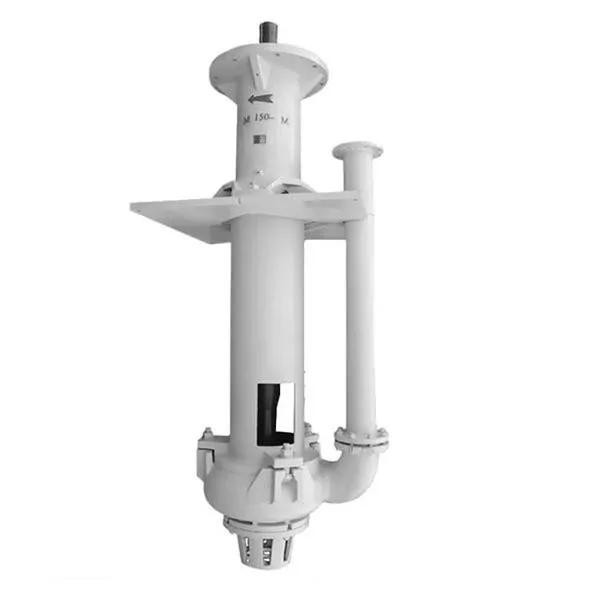

There are different types of large sewage pumps, such as Vertical Sump Pump, Sewage Mud Pump, and Heavy Duty Submersible Sewage Pumps. Each type has its own characteristics and applications, but the principle of finding the optimal operating point is somewhat similar for all of them.
Factors Affecting the Optimal Operating Point
Flow Rate
The flow rate is the volume of sewage or wastewater that the pump can move in a given time. It's usually measured in gallons per minute (GPM) or cubic meters per hour (m³/h). To determine the optimal flow rate, you need to consider the demand at the site. For example, in a municipal sewage system, you need to know how much wastewater is generated in a day and then calculate the required flow rate accordingly. If the pump operates at a flow rate that is too low, it won't be able to handle the volume of sewage, leading to backups. On the other hand, if the flow rate is too high, it can cause excessive wear and tear on the pump and waste energy.
Head
Head refers to the height that the pump needs to lift the sewage or wastewater. It includes the vertical distance (static head) and the friction losses in the pipes (friction head). The total head is the sum of these two. The pump needs to generate enough pressure to overcome the head. If the head is underestimated, the pump won't be able to lift the sewage to the desired height. Overestimating the head can lead to the pump operating at a lower efficiency point, as it will be working harder than necessary.
Efficiency
Pump efficiency is a measure of how well the pump converts electrical energy into hydraulic energy. It's usually expressed as a percentage. The optimal operating point is often the point where the pump operates at its highest efficiency. A pump operating at low efficiency not only consumes more energy but also generates more heat, which can reduce the lifespan of the pump. You can find the efficiency curve of the pump in the manufacturer's documentation. This curve shows how the efficiency changes with the flow rate and head.
Steps to Determine the Optimal Operating Point
Step 1: Gather Data
First, you need to collect all the relevant information about the sewage system. This includes the expected flow rate, the static head, pipe lengths, pipe diameters, and the type of sewage (e.g., is it thick with solids or relatively clean). You can get this data from site surveys, historical records, or by consulting with engineers and operators at the site.
Step 2: Calculate the Total Head
Once you have the data, calculate the total head. Start by determining the static head, which is the vertical distance from the source of the sewage to the discharge point. Then, calculate the friction head. You can use formulas or online calculators to estimate the friction losses based on the pipe characteristics and flow rate. Add the static head and the friction head to get the total head.
Step 3: Select the Pump
Based on the required flow rate and total head, choose a pump from our wide range of products. You can refer to the pump performance curves provided by the manufacturer. These curves show the relationship between the flow rate, head, and power consumption of the pump. Look for a pump that can operate within the required range of flow rate and head while maintaining high efficiency.
Step 4: Evaluate the Operating Point
After selecting the pump, evaluate the proposed operating point. Check the efficiency of the pump at that point using the efficiency curve. If the efficiency is low, you may need to adjust the pump settings, such as the impeller diameter or the speed of the motor. Some pumps are equipped with variable frequency drives (VFDs), which allow you to adjust the speed of the pump and optimize the operating point according to the actual demand.
Step 5: Monitor and Adjust
Once the pump is installed and running, continuously monitor its performance. Keep an eye on the flow rate, head, power consumption, and efficiency. If there are any changes in the sewage system, such as an increase in the volume of sewage or a change in the pipe configuration, you may need to adjust the operating point of the pump to ensure it continues to operate efficiently.
Challenges and Solutions
Determining the optimal operating point of a large sewage pump is not without its challenges. One of the main challenges is dealing with the variability of sewage. The composition and volume of sewage can change over time, which can affect the pump's performance. For example, if there is a sudden increase in the amount of solids in the sewage, it can cause blockages in the pump and reduce its efficiency.
To overcome this challenge, you can install sensors in the sewage system to monitor the flow rate, density, and composition of the sewage. Based on the data collected by these sensors, you can adjust the operating point of the pump in real - time. Another solution is to use pumps with self - cleaning mechanisms or those that are designed to handle high - solids content sewage.
Conclusion
In conclusion, determining the optimal operating point of a large sewage pump is essential for ensuring its efficient and reliable operation. By considering factors such as flow rate, head, and efficiency, and following the steps outlined above, you can select the right pump and adjust its operating parameters to meet the specific needs of your sewage system.
If you're in the market for a large sewage pump or need more advice on optimizing its operating point, don't hesitate to reach out to us. We're here to help you find the best solution for your sewage pumping needs.
References
- Pump Handbook, 4th Edition, by Karassik, Messina, Cooper, and Heald
- Hydraulic Institute Standards (HI Standards)


