

Installing a vertical sump pump in a pit is a crucial task that can help manage water effectively in various settings, such as basements, industrial sites, and municipal wastewater systems. As a supplier of Vertical Sump Pump, I have witnessed firsthand the importance of proper installation to ensure the pump's optimal performance and longevity. In this blog post, I will guide you through the step-by-step process of installing a vertical sump pump in a pit, sharing valuable insights and tips along the way.
Step 1: Preparation
Before you begin the installation process, it is essential to gather all the necessary tools and materials. Here's a list of items you will need:
- Vertical Sump Pump: Choose a pump that is suitable for your specific application, considering factors such as flow rate, head pressure, and the type of liquid you will be pumping.
- Pump Pit: Ensure that the pit is large enough to accommodate the pump and has a stable base. The pit should also be located in an area where water can easily flow into it.
- PVC Pipes and Fittings: You will need PVC pipes and fittings to connect the pump to the discharge line. Make sure to choose pipes and fittings that are compatible with the pump's size and specifications.
- Check Valve: A check valve is essential to prevent water from flowing back into the pit when the pump is not running. Install the check valve on the discharge line close to the pump.
- Electrical Wiring: You will need electrical wiring to connect the pump to a power source. Make sure to follow all electrical safety codes and regulations when installing the wiring.
- Tools: You will need a variety of tools, including a drill, saw, wrenches, and pliers, to complete the installation process.
Step 2: Prepare the Pump Pit
The first step in installing a vertical sump pump is to prepare the pump pit. Here's how you can do it:

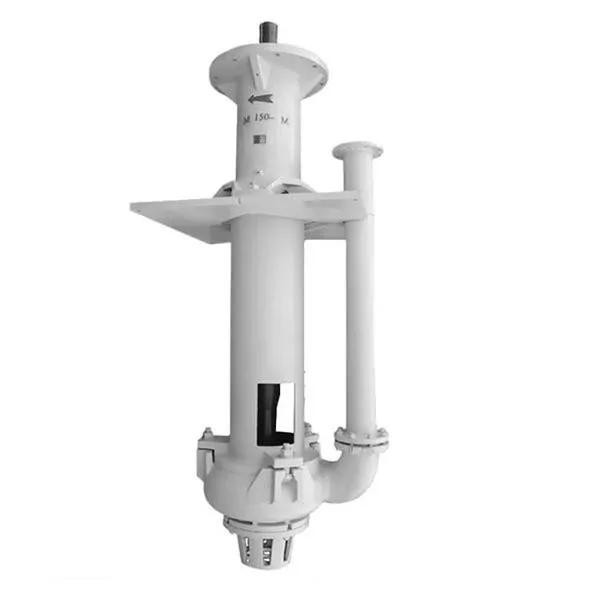
- Clean the Pit: Remove any debris, dirt, or sediment from the pit to ensure a clean and stable base for the pump.
- Level the Pit: Use a level to ensure that the pit is level and stable. If the pit is not level, the pump may not operate correctly and could cause damage to the pump or the pit.
- Install the Pump Stand: Place the pump stand in the pit and secure it to the bottom of the pit using bolts or screws. The pump stand should be level and stable to support the weight of the pump.
Step 3: Install the Pump
Once the pump pit is prepared, it's time to install the pump. Here's how you can do it:
- Lower the Pump into the Pit: Carefully lower the pump into the pit and place it on the pump stand. Make sure that the pump is centered and level on the stand.
- Connect the Discharge Pipe: Connect the discharge pipe to the pump using PVC pipes and fittings. Make sure to tighten the connections securely to prevent leaks.
- Install the Check Valve: Install the check valve on the discharge line close to the pump. The check valve should be installed in the correct orientation to prevent water from flowing back into the pit.
- Connect the Electrical Wiring: Connect the electrical wiring to the pump according to the manufacturer's instructions. Make sure to follow all electrical safety codes and regulations when installing the wiring.
Step 4: Test the Pump
After the pump is installed, it's important to test it to ensure that it is working correctly. Here's how you can do it:
- Fill the Pit with Water: Fill the pit with water to a level that is above the pump's intake. This will allow the pump to prime and start pumping water.
- Turn on the Pump: Turn on the pump and observe the water flow. The pump should start pumping water immediately and the water should flow smoothly through the discharge pipe.
- Check for Leaks: Check for leaks around the pump, the discharge pipe, and the check valve. If you notice any leaks, tighten the connections or replace the damaged parts.
- Adjust the Float Switch: If the pump is equipped with a float switch, adjust the switch to ensure that the pump turns on and off at the correct water levels.
Step 5: Maintenance and Troubleshooting
Once the pump is installed and tested, it's important to perform regular maintenance to ensure its optimal performance and longevity. Here are some maintenance tips:
- Clean the Pump: Regularly clean the pump to remove any debris, dirt, or sediment that may accumulate on the pump's intake or impeller.
- Check the Oil Level: If the pump is oil-lubricated, check the oil level regularly and add oil as needed.
- Inspect the Electrical Wiring: Inspect the electrical wiring regularly for any signs of damage or wear. Replace any damaged or worn wiring immediately.
- Test the Float Switch: Test the float switch regularly to ensure that it is working correctly. If the float switch is not working correctly, replace it immediately.
In addition to regular maintenance, it's also important to troubleshoot any problems that may arise with the pump. Here are some common problems and solutions:
- Pump Not Starting: If the pump is not starting, check the electrical wiring, the float switch, and the power source. Make sure that the wiring is connected correctly, the float switch is working correctly, and the power source is providing enough power.
- Pump Not Pumping Water: If the pump is not pumping water, check the intake for any blockages, the impeller for any damage, and the discharge pipe for any leaks. Clear any blockages, replace any damaged parts, and tighten any loose connections.
- Pump Making Noise: If the pump is making noise, check the impeller for any damage, the bearings for any wear, and the motor for any problems. Replace any damaged parts or have the motor repaired by a qualified technician.
Conclusion
Installing a vertical sump pump in a pit is a relatively straightforward process that can be completed by anyone with basic DIY skills. By following the steps outlined in this blog post and performing regular maintenance, you can ensure that your pump operates correctly and provides reliable water management for years to come.
If you are interested in purchasing a Vertical Sump Pump, Municipal Wastewater Pumps, or High Head Sewage Pump, please feel free to contact us for more information. We are a leading supplier of high-quality sump pumps and other wastewater management solutions, and we are committed to providing our customers with the best products and services at competitive prices.
References
- "Vertical Sump Pump Installation Guide," Manufacturer's Manual
- "Wastewater Management Best Practices," Industry Publication
- "Electrical Safety Codes and Regulations," National Electrical Code


