

Hey there! As a supplier of pumps used for slurry, I've seen firsthand how crucial it is for these pumps to have top - notch suction performance. In this blog, I'm gonna break down the factors that can affect the suction performance of a slurry pump.
1. Slurry Properties
The properties of the slurry itself play a huge role in how well a pump can suck it up.
Density
Slurry density is a major factor. Denser slurries are heavier, and it takes more energy for the pump to move them. When the density of the slurry increases, the pump has to work harder to create the necessary suction force. For example, a slurry with a high concentration of heavy minerals will be much more difficult to suck into the pump compared to a less dense slurry. This is because the pump impeller has to overcome the greater gravitational and frictional forces associated with the denser material.
Viscosity
Viscosity is another key property. High - viscosity slurries flow more slowly and are more resistant to movement. Think of honey compared to water; honey is much more viscous and harder to pour. Similarly, a highly viscous slurry will not flow easily into the pump suction. It can cause clogging and reduce the pump's ability to draw in the slurry efficiently. This can lead to a decrease in the overall flow rate and an increase in the power consumption of the pump.
Particle Size and Shape
The size and shape of the particles in the slurry also matter. Large particles can block the pump suction or damage the impeller. If the particles are too big to pass through the suction inlet or the impeller passages, they can cause a build - up and reduce the suction performance. Additionally, irregularly shaped particles can create more turbulence and friction as they flow through the pump, which can also impede the suction process.
2. Pump Design
The design of the slurry pump is fundamental to its suction performance.
Impeller Design
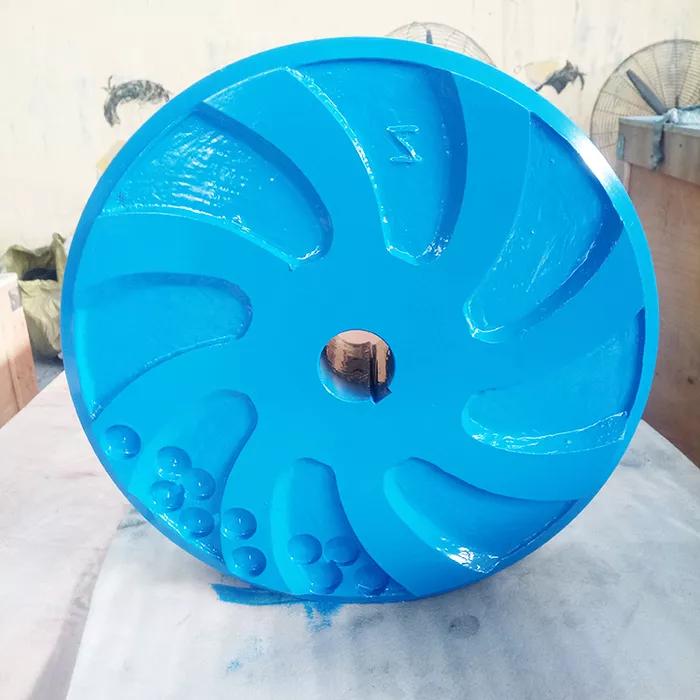
The impeller is the heart of the pump. Its design affects how well the pump can create a suction force. A well - designed impeller will have the right number of vanes, the correct shape, and the appropriate diameter. For example, an impeller with fewer vanes may be better for handling slurries with large particles, as it provides a larger passage for the particles to pass through. On the other hand, an impeller with more vanes can create a higher head and better suction for slurries with smaller particles.

Suction Inlet Design
The design of the suction inlet is also critical. A properly designed suction inlet should minimize turbulence and allow the slurry to flow smoothly into the pump. If the suction inlet is too small, it can restrict the flow of the slurry and reduce the suction performance. On the contrary, a well - sized and shaped suction inlet can help the pump draw in the slurry more efficiently.
Clearance between Impeller and Casing
The clearance between the impeller and the casing is important. If the clearance is too large, there will be a lot of recirculation of the slurry, which reduces the efficiency of the pump and its suction performance. If the clearance is too small, there is a risk of the impeller rubbing against the casing, which can cause damage and also affect the suction.
3. Operating Conditions
The conditions under which the pump operates can have a significant impact on its suction performance.
Suction Lift
The suction lift is the vertical distance between the slurry source and the pump suction. The higher the suction lift, the more difficult it is for the pump to draw in the slurry. As the suction lift increases, the pressure at the pump suction decreases. If the pressure drops too low, it can cause cavitation, which is the formation and collapse of vapor bubbles in the slurry. Cavitation can damage the impeller and other pump components and severely reduce the suction performance.
Flow Rate
The flow rate at which the pump is operating also affects the suction performance. If the flow rate is too high, it can cause excessive turbulence at the suction inlet, which can reduce the efficiency of the suction process. On the other hand, if the flow rate is too low, it may not be sufficient to keep the particles in suspension, leading to settling and blockages in the suction line.
Temperature
The temperature of the slurry can influence its viscosity. As the temperature increases, the viscosity of most slurries decreases. This can be beneficial in terms of improving the flowability of the slurry and the pump's suction performance. However, high temperatures can also cause other problems, such as increased wear on the pump components and potential damage to the seals.
4. System Configuration
The overall system in which the slurry pump is installed can impact its suction performance.
Suction Pipe Length and Diameter
The length and diameter of the suction pipe are important. A long suction pipe creates more friction, which reduces the pressure at the pump suction. This can make it harder for the pump to draw in the slurry. A small - diameter suction pipe can also restrict the flow of the slurry and cause a pressure drop. It's important to choose the right pipe length and diameter to ensure efficient suction.
Fittings and Valves in the Suction Line
Fittings and valves in the suction line can cause additional resistance and turbulence. Elbows, tees, and valves can all disrupt the smooth flow of the slurry. For example, a valve that is not fully open can create a significant pressure drop and reduce the suction performance. It's crucial to minimize the number of fittings and ensure that all valves are properly adjusted.
5. Maintenance
Proper maintenance is essential for maintaining the suction performance of a slurry pump.
Wear and Tear
Over time, the pump components, especially the impeller and the casing, will wear out. Wear can change the shape and size of the components, which can affect the pump's suction performance. For example, a worn impeller may not be able to create the same suction force as a new one. Regular inspection and replacement of worn parts are necessary to keep the pump operating at its best.
Seal Condition
The seals in the pump prevent leakage and maintain the pressure at the suction. If the seals are damaged or worn, they can allow air to enter the pump, which can reduce the suction performance. It's important to check the seals regularly and replace them when needed.
If you're in the market for a high - performance slurry pump, we've got you covered. We offer a wide range of pumps, including Ceramic Slurry Pump, High Head Slurry Pump, and Reciprocating Mud Pump. These pumps are designed to handle various slurry conditions and provide excellent suction performance. If you have any questions or want to discuss your specific requirements, feel free to reach out to us. We're more than happy to help you find the perfect pump for your needs.
References
- Gulich, J. F. (2010). Centrifugal Pumps. Springer.
- Stepanoff, A. J. (1957). Centrifugal and Axial Flow Pumps: Theory, Design, and Application. Wiley.


