

Hey there! As a supplier of Large Sewage Pumps, I often get asked about the installation requirements for these hefty machines in basements. It's not a one - size - fits - all scenario, so let's dive deep into what you need to know.
1. Site Assessment
Before you even think about installing a large sewage pump in your basement, you've got to do a proper site assessment. First off, measure the available space. Basements can be a bit of a maze, with all sorts of nooks and crannies, pipes, and storage. You need to ensure that there's enough room for the pump and its associated equipment, like the control panel and discharge pipes. A crowded installation can lead to maintenance headaches down the line.
You also need to check the ground condition. The basement floor should be level and strong enough to support the weight of the pump. Uneven ground can cause the pump to vibrate excessively, which not only shortens its lifespan but can also lead to noise issues. If the floor isn't level, you might need to use shims or even pour a new concrete pad to provide a stable base.
2. Power Supply
A large sewage pump is a power - hungry beast. You've got to make sure you have a reliable and appropriate power supply. Check the electrical requirements of the pump, which are usually specified in the product manual. Most large pumps require a three - phase power supply, but some smaller models might work with single - phase.
It's crucial to install a dedicated circuit for the pump. This means that the pump should have its own breaker in the electrical panel. Sharing a circuit with other high - power appliances can lead to overloading and tripped breakers. Also, ensure that the wiring is of the correct gauge to handle the current draw of the pump. If you're not comfortable dealing with electrical work, it's best to hire a qualified electrician.
3. Inlet and Outlet Piping
The inlet and outlet piping are the arteries of your sewage pump system. For the inlet, the pipe needs to be large enough to allow sufficient flow of sewage into the pump. A clogged inlet means the pump has to work harder, and that can lead to premature failure. Make sure the inlet pipe is free of any debris before installation.
The outlet pipe should be properly sized to handle the discharge rate of the pump. It also needs to be installed at the correct slope to ensure proper drainage. A common mistake is installing the outlet pipe too flat, which can cause sewage to back up. You'll also want to use proper fittings to connect the pipe to the pump and to any other components in the system.
4. Ventilation
You might not think about ventilation when it comes to a sewage pump, but it's super important. Sewage contains all sorts of gases, like methane, which can be flammable and toxic. A well - ventilated area helps to disperse these gases and keep the basement safe.
Install a ventilation system that can exhaust the gases outside the building. You can use a fan or a passive ventilation system, depending on the size of the basement and the amount of gas being produced. The intake of the ventilation system should be located away from the pump to prevent it from drawing in contaminated air.
5. Alarm and Control System
It's a good idea to install an alarm and control system for your large sewage pump. An alarm can alert you if there are any issues with the pump, like a clog or a power failure. This gives you a chance to address the problem before it turns into a major disaster.
The control system allows you to regulate the operation of the pump. You can set it to turn on and off at certain water levels, which is essential for efficient operation. Some advanced control systems also have features like remote monitoring, which means you can check the status of the pump from your smartphone.
6. Submersible or Non - Submersible?
When choosing a large sewage pump for your basement, you need to decide whether to go for a submersible or non - submersible model. Submersible pumps are designed to be fully immersed in the sewage, which makes them more efficient at pumping. They're also quieter and less prone to clogging. However, they can be more expensive to install and maintain.
Non - submersible pumps, on the other hand, are installed above the sewage level. They're easier to access for maintenance and are generally more affordable. But they might not be as efficient as submersible pumps, especially in situations where the sewage needs to be pumped from a deep pit.
7. Backup System
In case of a power outage or pump failure, having a backup system is a must. This can be a smaller pump, like a Small Waste Water Pump, that can take over until the main pump is back up and running.
You can also consider a generator as a backup power source. A generator can keep the pump running during a power outage, preventing sewage from backing up in your basement. Make sure the generator is properly sized to handle the power requirements of the pump.
8. Maintenance Access
Finally, make sure you have easy access for maintenance. This means leaving enough space around the pump so that you can reach all the parts for inspection and repair. You should also consider installing access panels in the walls or floor to make it easier to get to the pump and its components.
Regular maintenance is crucial for the long - term performance of your large sewage pump. This includes checking the oil levels, cleaning the filters, and inspecting the impeller for wear and tear. By keeping up with maintenance, you can extend the lifespan of the pump and avoid costly repairs.

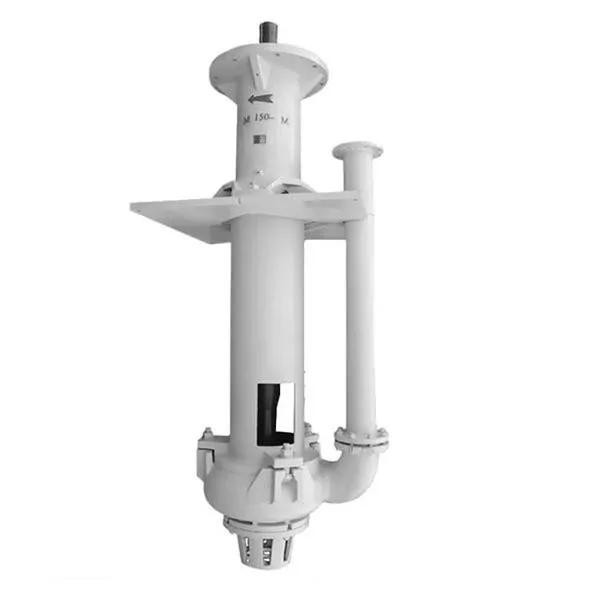
If you're in the market for a large sewage pump for your basement, we've got you covered. Our Large Sewage Pump is designed to meet the toughest requirements. And if you need something more compact, our Vertical Sump Pump might be the perfect fit.
If you have any questions about installation requirements or want to discuss your specific needs, don't hesitate to reach out. We're here to help you make the right decision for your sewage pumping needs.
References
- Pump Handbook, by Karassik et al.
- Sewage Pump Installation Guidelines, various industry standards publications.


