

What are the special requirements for sewage pumps in a marine environment?
As a seasoned supplier of sewage pumps, I've witnessed firsthand the unique challenges that the marine environment presents to these essential pieces of equipment. Sewage pumps in marine settings are not just another part of the machinery; they are crucial for maintaining the health and functionality of vessels and offshore structures. In this blog, I'll delve into the special requirements that sewage pumps must meet to operate effectively in the harsh marine environment.
Corrosion Resistance
One of the most significant challenges in a marine environment is corrosion. The constant exposure to saltwater, which is highly corrosive, can quickly degrade the materials of a sewage pump. Ordinary pumps made from standard metals will not last long in this environment. Therefore, sewage pumps for marine use must be constructed from corrosion - resistant materials.
Stainless steel is a popular choice due to its excellent resistance to corrosion. It can withstand the chemical reactions caused by saltwater and other contaminants in the sewage. For example, 316 stainless steel, which contains molybdenum, has enhanced resistance to pitting and crevice corrosion, making it ideal for marine sewage pumps. Another option is the use of special coatings on the pump components. These coatings act as a barrier between the metal and the corrosive environment, protecting the underlying material. Some advanced coatings can even self - heal minor scratches, providing long - term protection.
Durability and Reliability
In a marine environment, repair and maintenance can be extremely difficult and costly. Vessels may be in the middle of the ocean, far from shore - based repair facilities, and offshore platforms also have limited access for maintenance crews. Therefore, sewage pumps need to be highly durable and reliable.
They must be able to operate continuously for long periods without breakdowns. This requires high - quality manufacturing processes and strict quality control. The pump's components should be designed to withstand high pressures, vibrations, and mechanical stresses. For instance, the impellers need to be robust enough to handle solid waste and debris in the sewage without getting damaged. A reliable sewage pump also means less downtime, which is crucial for the operation of a vessel or an offshore installation.

Resistance to Clogging
Marine sewage often contains a variety of solid materials, such as toilet paper, food waste, and other debris. These solids can easily clog a pump if it is not designed to handle them properly. Sewage pumps in the marine environment need to have a large passage for the flow of sewage to prevent clogging.
Some pumps are equipped with special impellers that are designed to cut or shred the solid waste into smaller pieces, allowing them to pass through the pump more easily. For example, a cutter impeller can break down large objects, reducing the risk of blockages. Additionally, the pump's internal design should minimize the accumulation of debris. Smooth internal surfaces and well - designed flow paths can help ensure that the sewage flows freely through the pump.
Adaptability to Different Conditions
The marine environment is highly variable. Vessels may operate in different water depths, temperatures, and sea states. Offshore platforms also face different environmental conditions depending on their location. Sewage pumps need to be adaptable to these different conditions.
For example, in colder waters, the viscosity of the sewage may increase, which can affect the pump's performance. The pump should be able to adjust its operation to maintain an efficient flow rate. In addition, the pump should be able to handle changes in pressure due to variations in water depth. Some advanced sewage pumps can automatically adjust their speed and power consumption based on the operating conditions, ensuring optimal performance at all times.
Compliance with Regulations
The marine industry is highly regulated, and sewage pumps must comply with various international and national regulations. These regulations are in place to protect the environment and ensure the safety of vessels and offshore installations.
For example, the International Maritime Organization (IMO) has set standards for the treatment and discharge of sewage from ships. Sewage pumps used on vessels must be part of a system that meets these standards. This may involve the use of additional treatment equipment, such as sewage treatment plants, in combination with the pump. In addition, there are also regulations regarding the noise and vibration levels of the pump to ensure the comfort of the crew on board.
Our Product Range
At our company, we understand these special requirements for sewage pumps in the marine environment. We offer a wide range of sewage pumps that are specifically designed to meet these challenges.
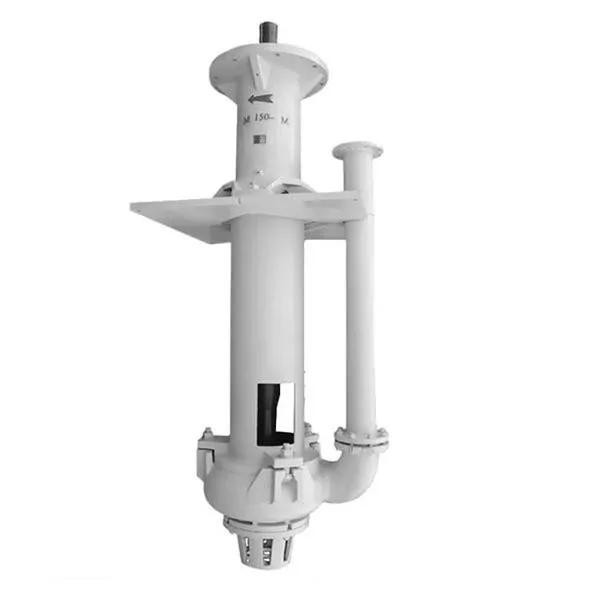
Our Vertical Sump Pump is a great choice for marine applications. It is made from high - quality stainless steel, providing excellent corrosion resistance. The vertical design allows it to be installed in tight spaces, which is often a requirement on vessels. It also has a large passage for sewage flow, reducing the risk of clogging.
Our Large Sewage Pump is suitable for larger vessels and offshore platforms. It has a high flow rate and can handle large volumes of sewage. The pump is designed to be highly durable and reliable, with a robust construction that can withstand the harsh marine environment.
We also offer the Sewage Mud Pump, which is specifically designed to handle sewage with a high content of mud and solid particles. It has a powerful cutter impeller that can break down the solid waste, ensuring smooth operation.
Conclusion
Sewage pumps in the marine environment face a unique set of challenges, from corrosion to clogging and regulatory compliance. To ensure their effective operation, these pumps must meet special requirements in terms of materials, design, and performance. As a supplier, we are committed to providing high - quality sewage pumps that can meet these challenges.
If you are in the market for sewage pumps for your marine application, we would love to have a discussion with you. Our team of experts can help you choose the right pump for your specific needs. Contact us today to start the procurement process and find the perfect sewage pump solution for your marine operations.
References
- International Maritime Organization (IMO). Guidelines for the design and construction of sewage treatment plants.
- Manufacturer's technical manuals for sewage pumps.
- Industry research on the performance of sewage pumps in marine environments.


