

Hey there, folks! As a supplier of sewage pumps, I often get asked about the starting method of a sewage pump motor. It's a crucial topic because the right starting method can ensure the efficient and reliable operation of your sewage pump. So, let's dive right in and explore the different ways to start a sewage pump motor.
Direct - On - Line (DOL) Starting
First up, we've got the Direct - On - Line (DOL) starting method. This is probably the simplest and most straightforward way to start a sewage pump motor. With DOL starting, you just connect the motor directly to the power supply, and it starts running at full speed instantly.
The main advantage of DOL starting is its simplicity. There aren't a lot of complex components involved, which means lower initial costs. It's also a very reliable method, as there are fewer things that can go wrong. However, it does have some drawbacks. When you start the motor directly, it draws a large inrush current, sometimes up to 6 - 8 times the normal running current. This can cause a significant voltage drop in the power supply system, which might affect other equipment connected to the same supply.
On top of that, the high inrush current can generate mechanical stress on the motor and the pump. Over time, this stress can lead to premature wear and tear of the motor windings, bearings, and other components. So, while DOL starting is great for small - sized sewage pumps where the inrush current won't cause much of an issue, it might not be the best choice for larger pumps.
Star - Delta Starting
Another common starting method is the Star - Delta starting. In this method, the motor windings are initially connected in a star configuration when the motor starts. This reduces the voltage applied to each winding, which in turn reduces the inrush current. Once the motor reaches a certain speed, typically around 80% of its full speed, the windings are then re - connected in a delta configuration for normal operation.
The big benefit of Star - Delta starting is that it reduces the inrush current to about one - third of what it would be with DOL starting. This is a huge advantage, especially for larger sewage pumps. It also helps to reduce the mechanical stress on the motor and the pump during startup, which can extend their lifespan.
But there are some limitations too. The Star - Delta starter is more complex than a DOL starter, which means higher initial costs. You also need a motor that is designed to be connected in both star and delta configurations. And the transition from star to delta can sometimes cause a small voltage dip and a brief mechanical shock to the motor and pump.
Soft - Starter Starting
Soft - starters are becoming increasingly popular for starting sewage pump motors. A soft - starter gradually increases the voltage applied to the motor during startup, which allows the motor to ramp up to full speed smoothly. This results in a very low inrush current, usually no more than 2 - 3 times the normal running current.
One of the main advantages of soft - starters is the smooth startup. It reduces the mechanical stress on the motor, pump, and the entire piping system. This can prevent water hammer, which is a common problem in sewage pumping systems. Water hammer can cause damage to pipes, valves, and other components due to sudden pressure changes.
Soft - starters also offer a lot of flexibility. You can adjust the startup time and the acceleration rate according to the specific requirements of your sewage pumping application. However, soft - starters are more expensive than DOL and Star - Delta starters. They also require more maintenance, as they have electronic components that can fail over time.
Variable Frequency Drive (VFD) Starting
Last but not least, we have the Variable Frequency Drive (VFD) starting method. A VFD is a sophisticated device that can vary both the voltage and the frequency supplied to the motor. By changing the frequency, it can control the speed of the motor precisely.
When starting a sewage pump motor with a VFD, you can set the motor to start at a very low speed and gradually increase it to the desired operating speed. This results in an extremely smooth startup with almost no inrush current. VFDs also offer excellent energy - saving capabilities. They can adjust the motor speed according to the actual load requirements of the sewage pump, which can significantly reduce energy consumption.

However, VFDs are the most expensive option among the starting methods we've discussed. They are also quite complex, and you need to have some technical knowledge to install and operate them properly. Plus, they generate electrical noise, which might require additional filtering equipment.
Choosing the Right Starting Method
So, how do you choose the right starting method for your sewage pump motor? Well, it depends on several factors. The size of the motor is a big one. For small - sized motors (usually less than 5.5 kW), DOL starting might be sufficient. It's simple, cost - effective, and works well for most applications.
For medium - sized motors (between 5.5 kW and 30 kW), Star - Delta starting is a popular choice. It offers a good balance between cost and performance, reducing the inrush current and mechanical stress.
If you have a large - sized motor (over 30 kW) or if you're dealing with a sensitive power supply system, a soft - starter or a VFD might be the best option. They can provide a smooth startup, reduce energy consumption, and prevent damage to the equipment.
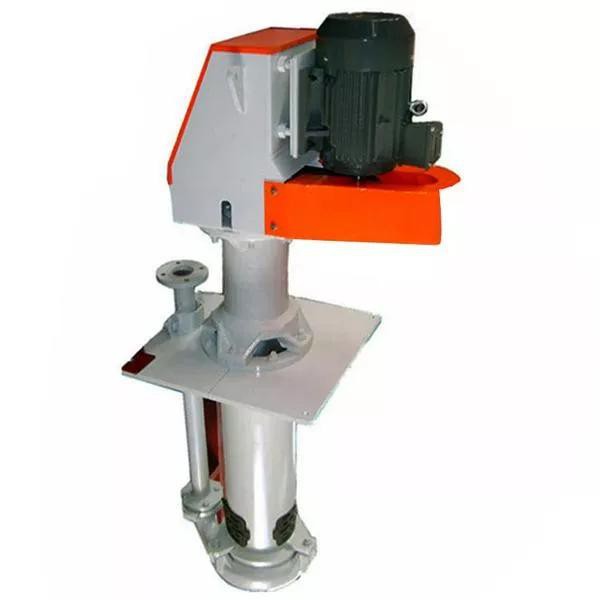
At our company, we offer a wide range of sewage pumps, including Vertical Sump Pump, Large Sewage Pump, and High Head Sewage Pump. Our team of experts can help you choose the right starting method for your specific needs. Whether you're a small business or a large industrial facility, we've got the solution for you.
Conclusion
In conclusion, the starting method of a sewage pump motor is an important aspect of its operation. Each method has its own advantages and disadvantages, and the right choice depends on factors such as the motor size, power supply system, and application requirements. If you're in the market for a sewage pump or need advice on the starting method, don't hesitate to reach out to us. We're here to help you make the best decision for your sewage pumping needs.
References
- "Electrical Machines and Drives: Fundamentals, Types, and Applications"
- "Pump Handbook"


