

Hey there! I'm a supplier of Vertical Sump Pump, and today I'm eager to chat about the different types of motors used in these pumps. Vertical sump pumps are super useful in various industries, from sewage treatment to mining, and the motor they use plays a huge role in their performance.
1. Electric Motors
AC Induction Motors
AC induction motors are like the workhorses of the motor world, and they're widely used in vertical sump pumps. These motors are known for their reliability and simplicity. They work on the principle of electromagnetic induction, where the rotating magnetic field in the stator causes the rotor to turn. One of the great things about AC induction motors is that they're relatively easy to maintain. You don't have to worry about replacing brushes like you do with some other types of motors.
They come in different configurations, such as single - phase and three - phase. Single - phase AC induction motors are usually used in smaller vertical sump pumps, like those in household or small - scale applications. Three - phase motors, on the other hand, are more powerful and are commonly used in industrial settings where larger pumps are required to handle a significant volume of liquid. For example, in a large - scale Sewage Mud Pump system, a three - phase AC induction motor can provide the necessary power to pump the thick and viscous sewage mud.
Permanent Magnet Synchronous Motors (PMSMs)
PMSMs are becoming more and more popular in vertical sump pumps. These motors use permanent magnets in the rotor, which makes them more efficient compared to traditional AC induction motors. They operate at a synchronous speed, which means they can maintain a constant speed regardless of the load, as long as the power supply frequency is stable.
PMSMs are great for applications where energy efficiency is a top priority. In a Municipal Wastewater Pumps system, for instance, running costs can be a significant expense. By using a PMSM in the vertical sump pumps, municipalities can save a lot of money on electricity bills over the long run. However, they are a bit more expensive upfront compared to AC induction motors, but the energy savings often make up for the initial investment.
2. Hydraulic Motors
Hydraulic motors can also be used in vertical sump pumps, especially in situations where there is an existing hydraulic power system. These motors work by converting hydraulic energy into mechanical energy. The high - pressure hydraulic fluid is directed into the motor, which causes the motor shaft to rotate.
One of the advantages of hydraulic motors is their ability to provide high torque at low speeds. This is useful in vertical sump pumps that need to handle thick and heavy fluids. For example, in a mining operation where the pump has to move slurry, a hydraulic motor can deliver the necessary power to start and run the pump smoothly.
However, hydraulic motors also have some drawbacks. They require a hydraulic power unit, which can be quite bulky and expensive to install. Maintenance can also be more complicated, as you need to keep an eye on the hydraulic fluid levels, filter conditions, and the overall integrity of the hydraulic system.

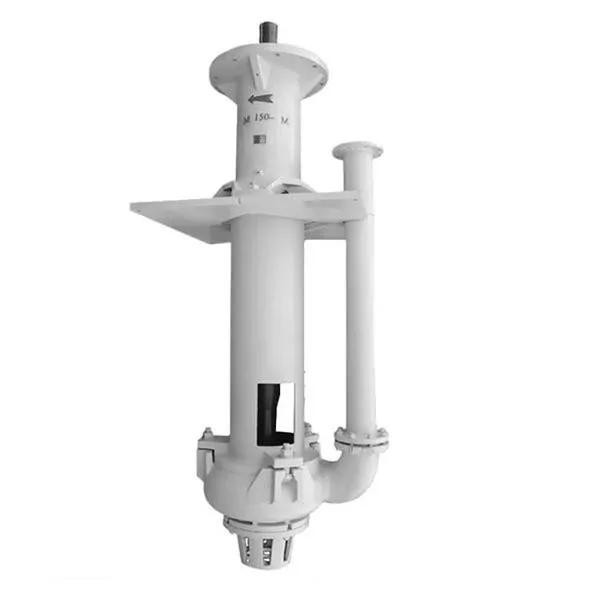
3. Diesel Engines
In some remote locations where there is no access to electricity or a reliable power grid, diesel engines are used to power vertical sump pumps. Diesel engines are known for their high horsepower and durability. They can operate continuously for long periods without many issues.
A diesel - powered vertical sump pump is a great option for temporary flood control in areas during heavy rains. Since these pumps can be quickly deployed and don't rely on an electrical hookup, they can start working immediately to remove excess water. However, diesel engines do produce emissions, which can be a concern in environmentally sensitive areas. Also, the cost of diesel fuel can add up over time, especially if the pump needs to run for extended periods.
4. Factors to Consider When Choosing a Motor
Power Requirements
The power of the motor is crucial. You need to make sure that the motor can provide enough power to lift the liquid to the required height and at the desired flow rate. If the motor is underpowered, the pump won't be able to perform its job effectively. On the other hand, an overpowered motor will waste energy and increase operating costs.
Environment
The environment in which the vertical sump pump will operate also matters. If it's in a wet or corrosive environment, you need to choose a motor that is well - protected against moisture and corrosion. For example, in a sewage treatment plant, the motor should be enclosed in a waterproof and corrosion - resistant housing.
Cost
Cost is always a factor. You need to consider not just the initial purchase price of the motor but also the long - term operating and maintenance costs. As I mentioned earlier, a more expensive motor like a PMSM might save you money in the long run due to its energy efficiency.
5. Our Offerings
As a supplier of Vertical Sump Pump, we understand the importance of choosing the right motor for your pump. We offer a wide range of vertical sump pumps with different types of motors to suit various applications. Whether you need a small single - phase AC induction motor for a residential application or a powerful three - phase motor for an industrial project, we've got you covered.
If you're in the market for a vertical sump pump and are not sure which motor is the best fit for your needs, don't hesitate to reach out. Our team of experts is always ready to help you make an informed decision. We can provide detailed information about the performance, cost, and maintenance requirements of each type of motor.
So, if you're interested in purchasing a vertical sump pump or have any questions, feel free to contact us. We're here to assist you in finding the perfect solution for your pumping needs.
References
- "Pump Handbook" - Karassik, I. J., Messina, J. P., Cooper, P. W., & Heald, C. C.
- "Motor Technology and Applications" - Various industry - published articles on motor types and their use in pumps.


