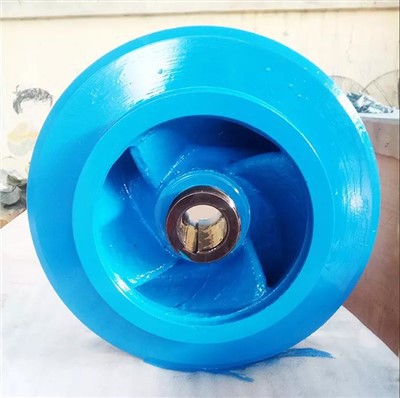
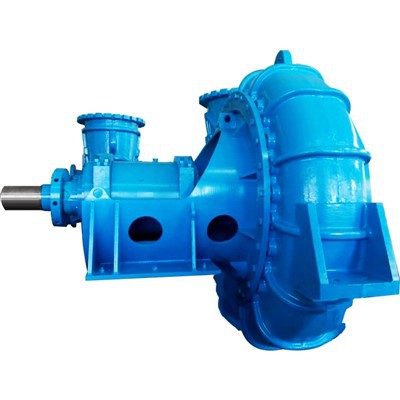
As key equipment in water conservancy projects and port construction, dredging pumps' appearance not only reflects the practicality of their engineering design but also the integrated application of materials science and fluid dynamics. From the overall structure to the detailed construction, the design of dredging pumps is centered around efficient operation, durability, and environmental adaptability.
Overall Structural Features
Dredge pumps typically have a large cylindrical or horizontal structure, consisting of a pump casing, impeller chamber, inlet and outlet ports, and a drive unit. The pump casing is typically constructed of heavy cast iron or high-strength steel, with a corrosion-resistant surface treatment to protect against complex media such as mud, sand, and seawater. The overall design is compact and robust, ensuring mechanical stability under high-pressure and high-load conditions.
From the outside, the inlet pipe diameter of a dredging pump is significantly larger than the outlet pipe diameter. This design maximizes suction efficiency and accommodates the needs of conveying high-concentration slurries. Some models feature removable flange connections for easy maintenance and piping connections. In addition, the pump body is typically equipped with a heavy-duty support base or pontoon structure (for offshore operations) to enhance vibration resistance and positioning capabilities during operation.
Detailed Structural Features
The exterior details of dredging pumps highlight their function-oriented design. The impeller guard and guard plate are cast from a wear-resistant alloy, with a smooth surface and directional flow grooves to reduce fluid resistance and extend service life. The drive (such as a motor or diesel engine) is connected to the pump body via an elastic coupling or gearbox. A protective cover is often provided on the outside to protect the transmission components and prevent foreign matter from entering.
In terms of identification and safety design, the pump body is typically printed with the equipment model, data plate, and warning signs such as rotation direction indicator and high-voltage hazard warning. Some dredging pumps are also equipped with an observation window or pressure gauge port for real-time monitoring of operating status. Floating dredging pumps operating offshore may also feature anti-collision guardrails, lighting, and anti-corrosion coatings to withstand harsh marine environments.
Color and Finish
Dredge pumps typically feature dark gray, black, or industrial blue. These low-reflective finishes are UV-resistant and conceal operational stains. Key components (such as seals and bearing seats) may be marked with contrasting colors for quick and easy maintenance. High-end models often feature epoxy or polyurethane anti-corrosion paint, with a multi-layer spray coating process further enhancing wear and chemical resistance.
Conclusion
The exterior design of a dredge pump is a direct reflection of its engineering adaptability. From its robust materials to its sophisticated functional layout, every design detail serves the core need for efficient dredging. Advances in materials science and fluid technology may lead to a more modular and intelligent design in the future, but its fundamental structure will always be optimized for reliability and environmental resistance.