The Critical Role of Materials in Slurry Pump Durability
In abrasive industrial applications such as mining, mineral processing, and coal preparation, the structural design of a slurry pump is only half the battle. The other, equally critical half, is the material composition of its wetted parts. The selection of the right material is the single most important factor in determining a pump's wear life, maintenance intervals, and overall total cost of ownership. A pump that is perfectly sized for an application can still fail in a matter of weeks if its materials cannot withstand the specific nature of the slurry. Understanding these material differences is essential for any serious industrial operator or distributor.
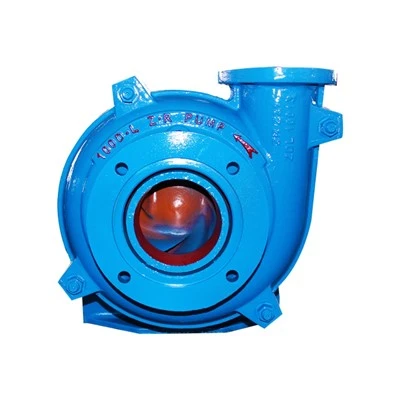
The most common choice for handling coarse, sharp, and highly abrasive solids is High-Chrome Alloy. These are iron-based alloys containing a significant percentage of chromium (typically 25-28%), which forms extremely hard chromium carbides within the metal's microstructure. This hardness, often exceeding 650 on the Brinell scale, allows the material to resist the cutting and grinding action of aggressive slurries. This is why a high-chrome alloy is the default specification for a heavy duty slurry pump used in primary grinding mill discharge or sand and gravel operations. The hardness provides superior resistance to sliding abrasion, making it the ideal armor for a slurry pump for mining.
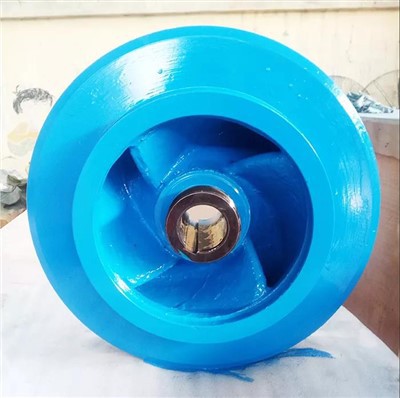
However, hardness is not always the best solution. For applications involving fine particles, high impact, or certain chemical compositions, elastomeric liners like natural Rubber are often superior. Instead of resisting the abrasive force with hardness, rubber absorbs the kinetic energy of the impacting particles and releases it, significantly reducing wear. It excels when handling slurries with rounded particles up to a certain size. Furthermore, rubber offers excellent resistance to certain corrosive elements. For highly acidic or alkaline environments where metals would quickly corrode, advanced materials like Ceramics or specialized macromolecule alloys offer the ultimate protection, providing a dual resistance to both chemical attack and abrasion, albeit at a higher initial cost.
Ultimately, selecting the right material is a technical decision that requires a deep understanding of the slurry's properties-including particle size, shape, hardness, and chemical makeup. Partnering with an experienced manufacturer who can provide expert guidance is crucial. The right choice ensures that a horizontal slurry pump will deliver a long, productive service life, maximizing uptime and profitability.