The Engineering Behind High-Solids Dredging Pumps
Dredging is one of the most demanding pumping applications in the world. It involves moving not just water, but a high-concentration mixture of sand, gravel, silt, and sludge. This requires a unique class of pump, specifically engineered to handle large solids and withstand relentless abrasion. The design philosophy behind a dredge pump is fundamentally different from that of a standard water or slurry pump, focusing on three core pillars: solids handling capability, extreme wear resistance, and robust construction.
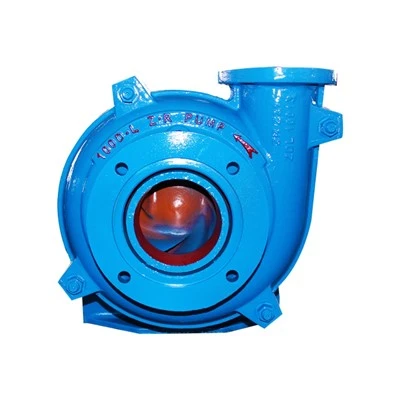
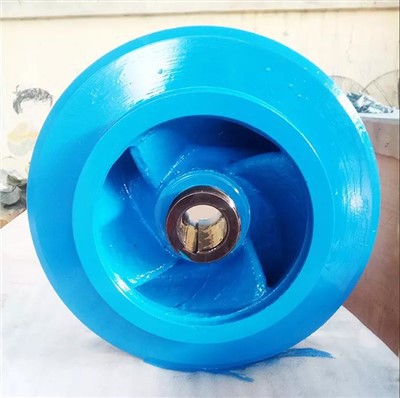
First and foremost is the ability to pass large objects without clogging. A standard pump would instantly fail if it ingested the rocks and debris common in dredging. To overcome this, a gravel pump or mud dredge pump is designed with a very large, open-style impeller, often featuring only three or four thick vanes. This creates wide internal passages through the pump, allowing solids that are several inches in diameter to pass through freely. The pump casing, or volute, is similarly oversized and features a simple, large-clearance design to prevent material from becoming trapped.
Second, these pumps must endure constant, severe abrasion. The components are therefore built with massive cross-sections and cast from extremely hard materials, typically high-chrome alloys. The wall thickness of a dredge pump casing can be several inches, providing a substantial wear allowance that translates into a longer service life before replacement is needed. Unlike some slurry pumps, the design prioritizes brute strength and maximum wear life, with features like heavy-duty shafts and bearings to handle the high loads and potential shock from impacts with large solids.
Finally, the application often dictates the pump's configuration. A submersible dredge pump is designed to be lowered directly into the material, using an agitator head to stir up settled solids and feed them directly into the pump suction. This configuration is highly efficient as it works under a positive suction head. Conversely, hull-mounted pumps are used on larger dredges, connected to long suction pipes. Regardless of the setup, the core engineering principles remain the same: create a pump that can swallow and withstand the most abrasive and challenging materials imaginable, ensuring that vital waterway and land reclamation projects can proceed without interruption.