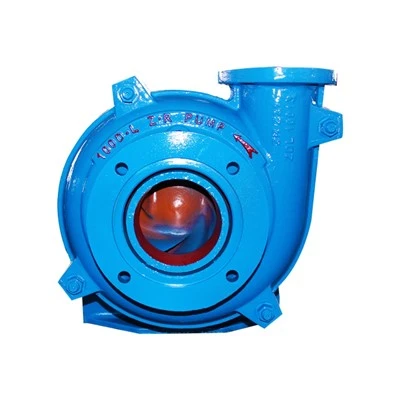
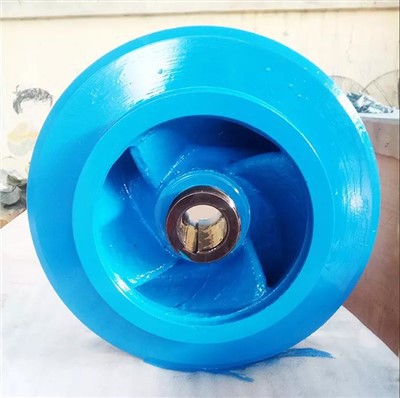
As critical equipment in the fluid transport sector, clean water pumps' performance and reliability directly impact the operational efficiency of industrial, agricultural, and residential water supply systems.To ensure product quality and safety, the production and testing of clean water pumps must strictly adhere to relevant national and industry standards. These standards not only standardize technical parameters but also provide a scientific basis for user selection.
my country's clean water pump implementation standards primarily reference national standards GB/T 3216, "Rotary Dynamic Pumps - Hydraulic Performance Acceptance Test - Levels 1 and 2," and GB/T 13006, "Centrifugal, Mixed-Flow, and Axial-Flow Pumps - Net Positive Suction Head," as well as industry standards such as JB/T 6879, "Dimensional Tolerances for Flow-Through Parts of Centrifugal Pump Castings." These standards clearly define core clean water pump performance indicators such as flow rate, head, efficiency, net positive suction head, and noise. For example, GB/T 3216 specifies efficiency limits for pumps under rated operating conditions, requiring Class 1 energy-efficiency products to meet specific hydraulic efficiency standards to promote energy conservation and emission reduction. Furthermore, regarding material selection, the standard requires that wetted parts be constructed of corrosion-resistant and wear-resistant materials, such as cast iron, stainless steel, or engineering plastics, to accommodate the needs of various media.
Regarding testing and inspection, the standard specifies the procedures for factory testing and type testing. Factory testing verifies that flow rate, head, and speed meet design requirements, while type testing further examines the pump's vibration, sealing, and long-term operational stability. For special operating conditions (such as high temperature, high pressure, or corrosive media), supporting standards such as HG/T 20592 "Steel Pipe Flanges" must also be referenced to ensure overall system compatibility.
With technological advancements, clean water pump standards are constantly being updated. For example, the new version of the GB/T standard adds energy efficiency assessment requirements for variable frequency drive pumps. Strict compliance with these standards will not only improve product reliability but also reduce user operation and maintenance costs, driving the industry towards higher efficiency and intelligent development. In the future, the internationalization of clean water pump standards will further enhance the market competitiveness of these products.