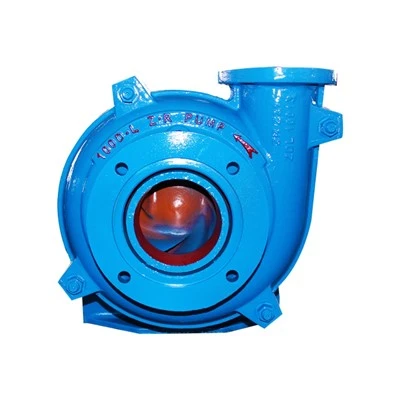
As a critical piece of equipment in a sewage treatment system, proper operation of the sewage pump is directly related to its efficiency and lifespan. Mastering standard operating procedures not only improves efficiency but also effectively prevents malfunctions.
Pre-Operation Preparation
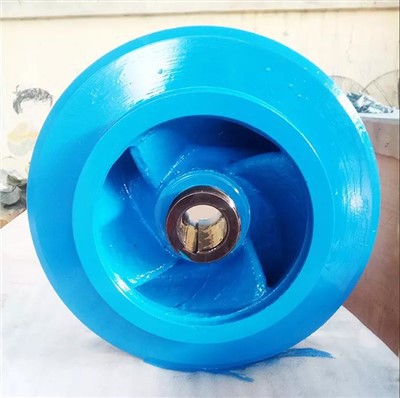
Before starting the sewage pump, thoroughly inspect the equipment. First, confirm that the power supply voltage is stable, the cables are not damaged or aged, and the grounding is reliable. Next, check the pump body and pipe connections for leaks. Manually crank the pump to check for any obstructions in the impeller. Only continue if the impeller rotates freely. Also, ensure that the liquid level meets the minimum starting requirements for the pump to avoid damage to the mechanical seals from dry running.
Starting and Operation
Open the water inlet valve and slowly adjust it to the appropriate opening to avoid sudden pressure surges. After starting the motor, check the ammeter to ensure it is within the rated range. If any abnormal fluctuations are detected, immediately shut down the pump for investigation. During operation, continuously monitor the pump body's vibration and noise levels. Under normal operating conditions, the pump should be stable and noise-free. Regularly check the bearing temperature. If it exceeds 65°C, shut down the pump to cool it down and check the lubrication.
Shutdown and Maintenance
For short-term outages, first close the outlet valve and then disconnect the power supply. For longer-term outages, drain the pump and apply anti-rust oil to the mechanical seals. Daily maintenance includes cleaning the filter screen for debris and inspecting the seals for wear. It is recommended to relubricate the pump every 500 hours of operation. If a sudden drop in flow or motor overheating is detected, disassemble and inspect the pump promptly, focusing on problems such as impeller wear and pipe blockage.
Proper operation and regular maintenance are key to ensuring efficient sewage pump operation. Operators should strictly follow procedures and, in accordance with the equipment manual, implement scientific management to extend equipment life and ensure stable operation of the sewage treatment system.