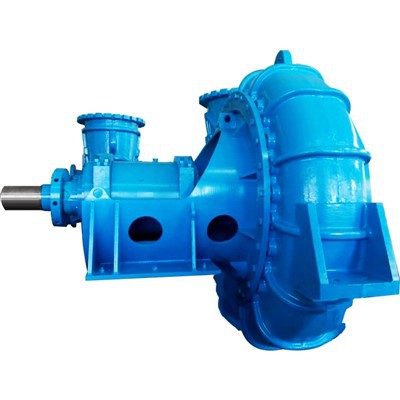
Dredge pumps are core equipment in water conservancy projects, port construction, and river maintenance. Their performance and operation directly impact project efficiency and costs. Drawing on years of practical experience, this article summarizes key points regarding model selection, maintenance, and troubleshooting common problems.
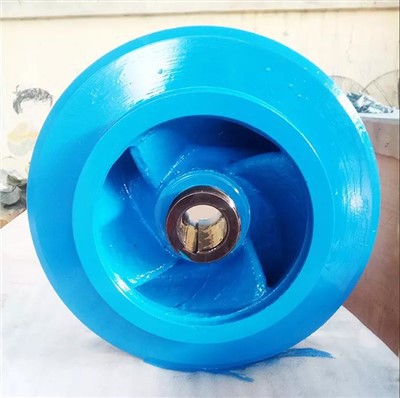
Matching model selection to operating conditions is fundamental. Dredging pumps should be selected based on the medium being transported (such as silt, gravel, or high-concentration slurries), particle size, and pipeline distance. For example, for highly abrasive media, impellers made of wear-resistant alloys, such as chromium-molybdenum alloys or rubber linings, are preferred. Long-distance transport requires high-power, high-lift pumps, and optimized pipeline design to minimize resistance losses. In one port dredging project, insufficient consideration of silt hardness during the initial stages led to rapid impeller wear. Later, replacement with a tungsten carbide-coated impeller extended its life by 40%.
Daily maintenance determines reliability. Regular inspection of bearing lubrication, seal integrity, and pump vibration levels is key to preventing failures. Experience shows that the inlet filter should be cleaned every 200 hours of operation to prevent blockage and cavitation. The coupling alignment should be checked every 500 hours; deviations exceeding 0.1mm may damage the bearings. Furthermore, when not in use during winter, the pump chamber should be drained to prevent freezing and cracking.
Common problems require quick and precise handling. Cavitation is a common fault, manifesting as increased noise and decreased efficiency. This can be addressed by lowering the pump's installation height or increasing the inlet pressure. A sudden drop in flow is often due to impeller wear or pipe leaks, requiring shutdown and maintenance. In a river dredging project, real-time monitoring of outlet pressure fluctuations enabled the early detection and clearing of partial pipe blockages, avoiding costly downtime.
In summary, the efficient operation of dredging pumps relies on scientific selection, meticulous maintenance, and rapid response capabilities. Maximizing equipment value depends on accumulating practical experience and continuously optimizing operational procedures.