Dredge pumps are core equipment in water conservancy projects, port maintenance, and river desilting operations. Their operation methods directly impact project efficiency and cost control. This article explores the scientific use of dredging pumps from three perspectives: technical principles, operational procedures, and optimization strategies.
I. Technical Principles and Selection Criteria
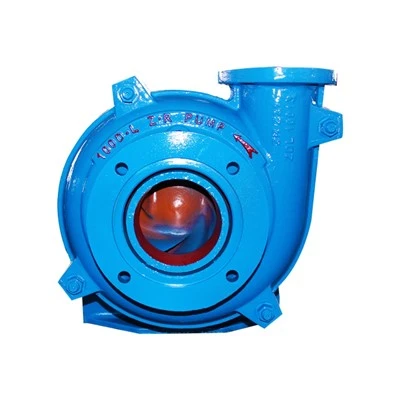
Dredge pumps use a high-speed rotating impeller to generate centrifugal force or a positive pressure differential, drawing mud, sand, and other sediments from underwater and pressurizing them to a designated location. Selection requires comprehensive consideration of operating conditions: For high-concentration slurries (solids content >30%), single-stage or multi-stage centrifugal pumps made of wear-resistant alloys are preferred. For conveying distances exceeding 500 meters, a high-pressure plunger pump or screw pump combination system is required. Furthermore, the pump's sealing design (such as mechanical seals or packing seals) must match the corrosiveness level of the medium.
II. Standardized Operational Procedures
1.Preliminary Preparation: Use sonar mapping to determine the distribution of siltation, plan the pumpboat's berthing location and pipeline routing, and ensure the suction port maintains a safe distance of 0.5-1 meter from the bottom mud layer to prevent the ingestion of foreign matter.
2.Parameter Control: After startup, gradually increase the speed to the rated value (usually 800-1500 rpm). Monitor the flow rate (recommended range: 200-800 m³/h) and pressure gauge reading in real time to prevent cavitation.
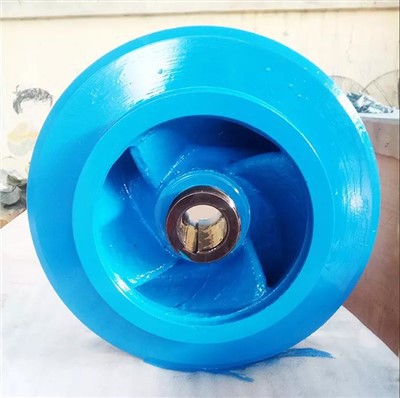
3.Process Control: Adopt an intermittent operation mode, stopping every four hours to inspect the impeller for wear and adding additives (such as flocculants) to improve mud flowability.
III. Efficiency Optimization Strategies
Introducing an intelligent control system enables automatic displacement adjustment, and combined with satellite positioning, precise dredging is achieved. For regular maintenance, it is recommended to replace the lubricating oil every 200 hours and perform vibration testing on the bearing seat. For complex terrain, a cutter suction dredger can be combined with a pumping system to improve overall dredging accuracy. The scientific application of dredging pump methods requires balancing technical parameters and engineering requirements, significantly reducing energy consumption and extending equipment life through refined operations, and providing sustainable solutions for water area management.