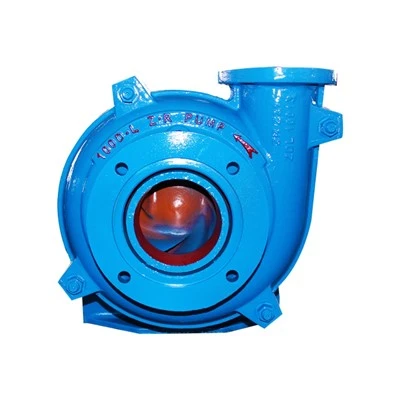
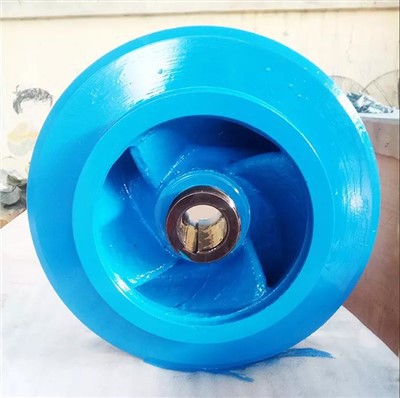
Flue gas desulfurization pumps are core equipment in flue gas desulfurization systems in coal-fired power plants, steel mills, and other industrial sectors. Their process flow directly impacts desulfurization efficiency and system stability. This process primarily utilizes limestone-gypsum wet desulfurization technology, achieving efficient sulfur dioxide removal through chemical absorption and physical transport.
The process begins with flue gas pretreatment. After initial purification in a dust collector, the raw flue gas enters an absorption tower where it comes into countercurrent contact with a limestone slurry. During this process, SO₂ in the flue gas reacts with calcium carbonate (CaCO₃) in the slurry and oxidizing air to produce calcium sulfite (CaSO₃), which is further oxidized to calcium sulfate dihydrate (CaSO₄·2H₂O, also known as gypsum). The flue gas desulfurization pump plays a key role in providing power for this series of reactions. On one hand, the slurry circulation pump pressurizes the gypsum slurry at the bottom of the absorption tower to the spray layer, forming fine droplets that fully react with the flue gas. On the other hand, the gypsum discharge pump transports the reacted, high-density slurry to the dehydration system to separate the gypsum from the filtrate.
In actual operation, the desulfurization pump must adapt to complex operating conditions characterized by high corrosion and wear. The slurry typically contains corrosive media such as chloride ions and sulfate ions, and solid particles (such as incompletely reacted limestone) can easily cause wear on mechanical seals. Therefore, the pump body is often made of duplex stainless steel or rubber-lined alloys and equipped with a mechanical seal flushing system to extend its service life. Furthermore, the process includes real-time monitoring of the slurry density and pH value, maintaining optimal reaction conditions by adjusting the limestone slurry supply and the oxidation blower air volume.
Finally, the clean flue gas (SO₂ concentration below 35 mg/m³) treated by the desulfurization pump is discharged into the atmosphere, while the dehydrated gypsum can be recycled for use in building materials production. This process not only reduces pollutant emissions but also embodies the environmentally friendly concept of resource recycling in industrial processes. The stable operation of the flue gas desulfurization pump is a key link in ensuring the efficient and economical operation of the entire desulfurization system.