

Hey there! As a sewage pump supplier, I often get asked if a sump pump can be used as a sewage pump. It's a question that makes a lot of sense, especially if you're trying to save some money or you're in a bind and need a quick solution. So, let's dive into this topic and see if a sump pump can really step up to the plate as a sewage pump.
What's the Difference Between a Sump Pump and a Sewage Pump?
First things first, we need to understand what each of these pumps does. A sump pump is typically used to remove water that has accumulated in a sump pit. This water is usually clean or slightly dirty, like rainwater or groundwater. Sump pumps are designed to handle relatively small amounts of water and are built to move it quickly and efficiently.
On the other hand, a sewage pump is designed to handle wastewater that contains solid waste and other debris. This includes things like toilet paper, human waste, and other organic matter. Sewage pumps need to be more robust and powerful than sump pumps because they have to deal with the challenges of pumping thick, sticky, and often smelly substances.
Can a Sump Pump Handle Sewage?
The short answer is no, a sump pump is not designed to handle sewage. Here's why:
Solid Handling Capacity
Sump pumps are not built to handle solid waste. They usually have small impellers and intake openings that are designed to prevent debris from clogging the pump. When you try to use a sump pump to pump sewage, the solid waste can quickly clog the impeller or the intake, causing the pump to stop working. This can lead to costly repairs and downtime.
Power and Pressure
Sewage pumps need to generate enough power and pressure to move the thick, sticky sewage through the pipes. Sump pumps are typically not powerful enough to do this. They are designed to move water at a relatively low pressure, which is fine for removing water from a sump pit but not sufficient for pumping sewage through a plumbing system.
Durability
Sewage is a harsh and corrosive substance that can damage the components of a sump pump over time. Sump pumps are not built to withstand the constant exposure to sewage, and they may fail prematurely if used in this way. Sewage pumps, on the other hand, are made from more durable materials and are designed to last in harsh environments.
When Can a Sump Pump Be Used Instead of a Sewage Pump?
While a sump pump is not a suitable replacement for a sewage pump in most cases, there are a few situations where it might be used as a temporary solution.
Emergency Situations
If you have a sewage backup and your sewage pump fails, you might be able to use a sump pump to remove some of the water until you can get a new sewage pump installed. However, this should only be a short-term solution, as the sump pump is not designed to handle sewage and may not work for long.
Light Sewage
If you have a very small amount of light sewage, such as water that has been contaminated with a small amount of toilet paper or other debris, a sump pump might be able to handle it. However, you should still be careful, as even a small amount of solid waste can cause problems for the sump pump.
Why You Should Choose a Sewage Pump
Now that we've established that a sump pump is not a good substitute for a sewage pump, let's talk about why you should choose a sewage pump for your needs.
Reliability
Sewage pumps are designed to handle the challenges of pumping sewage day in and day out. They are built to be reliable and durable, so you can count on them to keep your plumbing system running smoothly.
Efficiency
Sewage pumps are more efficient than sump pumps when it comes to pumping sewage. They are designed to move the thick, sticky sewage through the pipes quickly and efficiently, which can save you time and money in the long run.
Safety
Using a sewage pump is safer than using a sump pump to handle sewage. Sewage contains harmful bacteria and other pathogens that can pose a health risk if they are not properly handled. Sewage pumps are designed to contain and transport the sewage safely, reducing the risk of exposure to these harmful substances.
Types of Sewage Pumps
As a sewage pump supplier, I offer a variety of sewage pumps to meet the needs of my customers. Here are some of the most common types of sewage pumps:
Heavy Duty Submersible Sewage Pumps
These pumps are designed to be submerged in the sewage and are ideal for handling large volumes of sewage. They are powerful and durable, and they can handle solid waste up to a certain size.
High Head Sewage Pump
High head sewage pumps are designed to pump sewage over long distances or to higher elevations. They are more powerful than standard sewage pumps and can generate the pressure needed to move the sewage through the pipes.
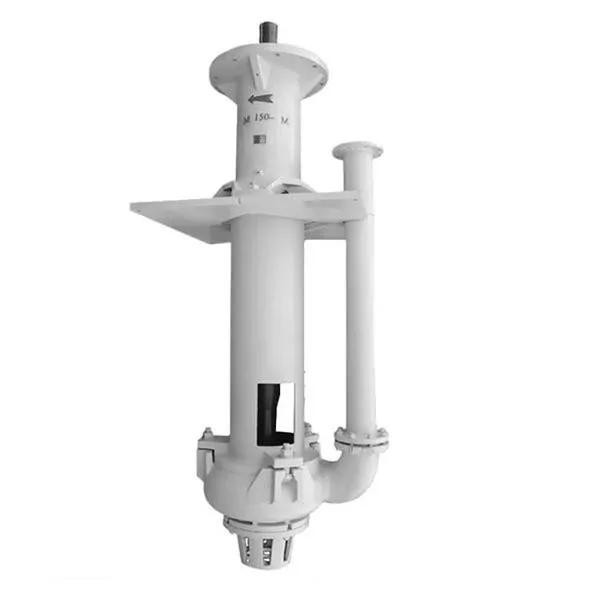
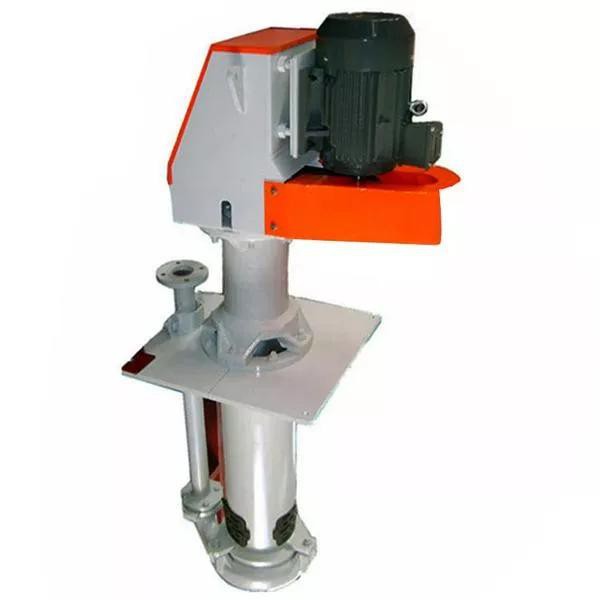
Vertical Sump Pump
Vertical sump pumps are installed vertically in a sump pit and are used to remove water from the pit. While they are not designed to handle sewage, they can be used in conjunction with a sewage pump to remove water that has accumulated in the sump pit.
Conclusion
In conclusion, while a sump pump might seem like a cheap and easy solution for pumping sewage, it's not a good idea. Sump pumps are not designed to handle the challenges of pumping sewage, and they can quickly fail if used in this way. If you need to pump sewage, you should invest in a high-quality sewage pump that is designed for the job.
As a sewage pump supplier, I'm here to help you find the right sewage pump for your needs. Whether you need a heavy-duty submersible sewage pump, a high head sewage pump, or a vertical sump pump, I have the expertise and the products to meet your requirements. If you're interested in learning more about our sewage pumps or if you have any questions, please don't hesitate to contact me. I'd be happy to discuss your needs and help you find the perfect solution for your sewage pumping needs.
References
- "Sump Pumps vs. Sewage Pumps: What's the Difference?" by HomeAdvisor
- "How to Choose the Right Sewage Pump" by The Spruce


