

Picking the right sewage mud pump for your needs can feel like a real head - scratcher. But don't worry, as a sewage mud pump supplier, I'm here to walk you through the process.
First off, you need to understand what a sewage mud pump is. A Sewage Mud Pump is designed to handle the tough job of moving sewage, mud, and other slurry - like materials. These pumps have to be pretty robust because they deal with all sorts of debris and abrasive substances that can quickly wear down a less - durable pump.
Flow Rate and Head
One of the most important factors to consider is the flow rate. Flow rate is basically how much liquid the pump can move in a given amount of time, usually measured in gallons per minute (GPM) or cubic meters per hour (m³/h). You've got to figure out how much sewage or mud you need to move. If you're dealing with a small residential sewage system, you won't need a pump with a super - high flow rate. But if you're managing a large industrial wastewater treatment plant, you'll definitely need a pump that can handle a high volume.
The head is another crucial aspect. The head refers to the height that the pump can lift the liquid. It's measured in feet or meters. You need to know the vertical distance the sewage or mud has to travel from the source to the destination. If you've got a long, uphill pipeline, you'll need a pump with a high head to overcome the resistance and get the material flowing.
Type of Pump
There are different types of sewage mud pumps out there, and each has its own pros and cons.
Submersible Pumps
Heavy Duty Submersible Sewage Pumps are a popular choice. These pumps are designed to be submerged in the liquid they're pumping. The main advantage is that they can handle large solids and are less likely to clog. They're also pretty quiet because they're underwater. They're great for applications like sewage pits, sumps, and drainage systems.
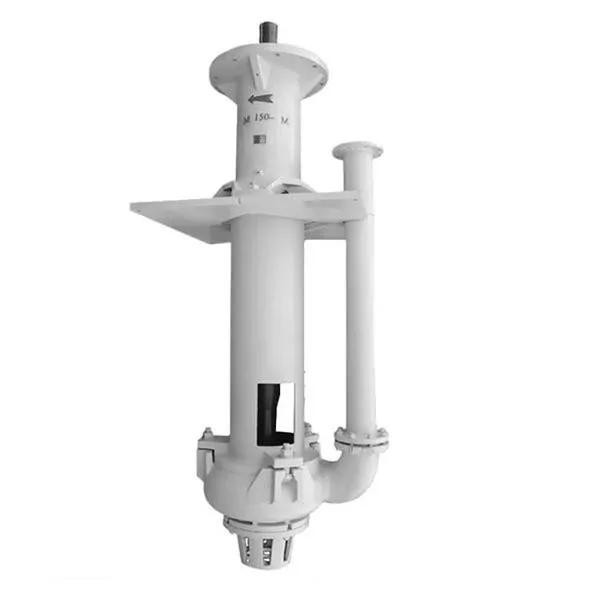
Vertical Sump Pumps
Vertical Sump Pumps are another option. These pumps are installed vertically in a sump or pit. They're good for situations where you need to pump from a deep sump. They can handle abrasive materials well and are often used in industrial settings, like mining and chemical plants.
Material Compatibility
The material of the pump is also a big deal. The sewage and mud you're pumping might contain chemicals, acids, or other corrosive substances. You need to make sure the pump is made of a material that can withstand these elements. For example, if you're dealing with acidic sewage, a pump made of stainless steel or a corrosion - resistant plastic might be a good choice.

Solids Handling Capacity
Sewage and mud often contain solids like rocks, sticks, and other debris. You need to choose a pump that can handle the size and quantity of these solids. Some pumps have a larger solids - handling capacity than others. If you know you'll be dealing with large solids, look for a pump with a wide passage or a cutter mechanism to break up the solids.
Efficiency and Power Consumption
Efficiency is important, especially if you're running the pump for long periods. A more efficient pump will use less energy, which can save you money in the long run. You should also consider the power source. Most sewage mud pumps run on electricity, but there are also diesel - powered options for remote locations or areas with unreliable power.
Maintenance and Service
Let's face it, pumps need maintenance. You want a pump that's easy to maintain. Look for pumps with accessible parts and clear maintenance instructions. It's also a good idea to choose a pump from a supplier that offers good after - sales service. If something goes wrong with the pump, you'll want to be able to get it fixed quickly.
Cost
Cost is always a factor. You need to balance the upfront cost of the pump with its long - term performance and maintenance costs. A cheaper pump might save you money at first, but if it breaks down frequently or has high energy consumption, it could end up costing you more in the long run.
Case Studies
Let me share a couple of real - life examples to illustrate how important it is to choose the right pump.
A small residential area was having problems with their sewage system. The old pump they had was constantly clogging, and the flow rate was too low. After assessing their needs, we recommended a heavy - duty submersible sewage pump. The new pump had a high solids - handling capacity and a sufficient flow rate. Since the installation, they haven't had any clogging issues, and the sewage is flowing smoothly.
On the other hand, an industrial mining company was using a pump that wasn't suitable for the abrasive mud they were dealing with. The pump was wearing out quickly, and they were spending a lot on repairs. We suggested a vertical sump pump made of a highly wear - resistant material. The new pump has been able to handle the abrasive mud without any major issues, and the company has saved a significant amount on maintenance costs.
Conclusion
Choosing the right sewage mud pump for your application isn't an easy task, but by considering factors like flow rate, head, pump type, material compatibility, solids handling capacity, efficiency, maintenance, and cost, you can make an informed decision.
If you're still unsure about which pump is right for you, don't hesitate to reach out. As a sewage mud pump supplier, we have the expertise and experience to help you find the perfect pump for your specific needs. Whether you're a small business owner or managing a large industrial operation, we can provide you with the right solution. Contact us today to start the conversation and get your sewage or mud pumping system up and running smoothly.
References
- "Pump Handbook" by Igor J. Karassik et al.
- Industry standards and guidelines for sewage and mud pumping systems.


