

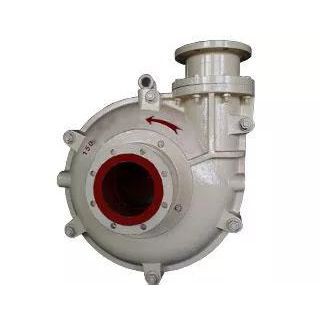
Controlling the speed of a mud slurry pump is a crucial aspect in various industrial applications, especially in mining, construction, and oil and gas sectors. As a reliable mud slurry pump supplier, we understand the significance of precise speed control for optimal pump performance and operational efficiency. In this blog, we will explore different methods and considerations for controlling the speed of a mud slurry pump.
Why Speed Control Matters
Before delving into the methods of speed control, it's essential to understand why it is so important. The speed of a mud slurry pump directly affects its flow rate, head pressure, and power consumption. By adjusting the pump speed, operators can:
- Match Process Requirements: Different processes require different flow rates and pressures. For example, in a mining operation, the slurry may need to be transported at a high flow rate during the initial stages of extraction and then at a lower rate during the final processing. By controlling the pump speed, the pump can be adjusted to meet these varying requirements.
- Save Energy: Running a pump at a constant high speed when it is not necessary can lead to excessive energy consumption. By reducing the pump speed when the demand is low, significant energy savings can be achieved.
- Extend Pump Life: Operating a pump at an appropriate speed can reduce wear and tear on the pump components, such as the impeller, casing, and seals. This can extend the pump's service life and reduce maintenance costs.
Methods of Controlling the Speed of a Mud Slurry Pump
There are several methods available for controlling the speed of a mud slurry pump. Each method has its advantages and disadvantages, and the choice of method depends on various factors, such as the pump type, application requirements, and cost considerations.
Variable Frequency Drives (VFDs)
Variable frequency drives are one of the most common and effective methods for controlling the speed of a mud slurry pump. A VFD is an electronic device that controls the frequency and voltage supplied to the pump motor, thereby adjusting the motor speed.
Advantages:
- Precise Speed Control: VFDs allow for precise adjustment of the pump speed over a wide range. This enables operators to fine-tune the pump performance to meet the specific requirements of the process.
- Energy Efficiency: By adjusting the motor speed to match the load, VFDs can significantly reduce energy consumption. This is particularly beneficial in applications where the pump operates at partial load for a significant portion of the time.
- Soft Start and Stop: VFDs provide a soft start and stop function, which reduces the mechanical stress on the pump and motor during startup and shutdown. This can extend the life of the pump components and reduce maintenance costs.
Disadvantages:

- High Initial Cost: VFDs are relatively expensive compared to other speed control methods. However, the energy savings and improved pump performance can often offset the initial investment over time.
- Complex Installation and Maintenance: VFDs require specialized knowledge and skills for installation and maintenance. Improper installation or maintenance can lead to system failures and reduced reliability.
Belt Drives
Belt drives are a simple and cost-effective method for controlling the speed of a mud slurry pump. A belt drive consists of a pulley on the pump motor shaft and a pulley on the pump shaft, connected by a belt. By changing the size of the pulleys, the speed ratio between the motor and the pump can be adjusted.
Advantages:
- Low Cost: Belt drives are relatively inexpensive compared to other speed control methods. They are also easy to install and maintain.
- Simple Design: Belt drives have a simple design, which makes them reliable and easy to understand. They are also less prone to electrical failures compared to VFDs.
Disadvantages:
- Limited Speed Range: Belt drives have a limited speed range compared to VFDs. They are also less precise in terms of speed control.
- Belt Wear and Tension: Belts can wear out over time, and proper tension adjustment is required to ensure efficient operation. This can increase maintenance costs and downtime.
Hydraulic Couplings
Hydraulic couplings are another method for controlling the speed of a mud slurry pump. A hydraulic coupling consists of an impeller and a runner, separated by a fluid-filled chamber. The impeller is connected to the pump motor, and the runner is connected to the pump shaft. By adjusting the amount of fluid in the chamber, the speed of the pump can be controlled.
Advantages:
- Smooth Torque Transmission: Hydraulic couplings provide smooth torque transmission, which reduces the mechanical stress on the pump and motor. This can extend the life of the pump components and reduce maintenance costs.
- Overload Protection: Hydraulic couplings can provide overload protection by slipping when the pump is overloaded. This can prevent damage to the pump and motor.
Disadvantages:
- Lower Efficiency: Hydraulic couplings have a lower efficiency compared to VFDs and belt drives. This can result in higher energy consumption.
- Complex Design: Hydraulic couplings have a complex design, which makes them more difficult to install and maintain compared to belt drives.
Considerations for Speed Control
When choosing a method for controlling the speed of a mud slurry pump, several factors need to be considered:
- Pump Type: Different pump types, such as Vertical Slurry Pump, Sand Slurry Pump, and Ceramic Slurry Pump, may have different speed control requirements. For example, some pumps may be more suitable for VFD control, while others may be better suited for belt drives or hydraulic couplings.
- Application Requirements: The specific requirements of the application, such as the flow rate, head pressure, and operating conditions, will also influence the choice of speed control method. For example, in applications where precise speed control is required, a VFD may be the best choice.
- Cost Considerations: The initial cost, operating cost, and maintenance cost of the speed control method need to be considered. While VFDs may have a higher initial cost, they can provide significant energy savings and improved pump performance over time.
- System Compatibility: The speed control method needs to be compatible with the existing pump system, including the motor, pump, and control system. This may require additional modifications or upgrades to the system.
Conclusion
Controlling the speed of a mud slurry pump is essential for optimizing pump performance, reducing energy consumption, and extending the pump's service life. There are several methods available for controlling the speed of a mud slurry pump, each with its advantages and disadvantages. When choosing a method, it's important to consider the pump type, application requirements, cost considerations, and system compatibility.
As a leading mud slurry pump supplier, we can provide you with expert advice and solutions for controlling the speed of your mud slurry pump. Whether you need a VFD, belt drive, or hydraulic coupling, we have the products and expertise to meet your needs. If you are interested in learning more about our mud slurry pumps and speed control solutions, please contact us for a consultation. We look forward to working with you to improve your pumping system's efficiency and performance.
References
- "Pump Handbook" by Igor J. Karassik et al.
- "Centrifugal Pumps: Design and Application" by Heinz P. Bloch and Allan R. Budris.
- "Variable Frequency Drives: Principles, Applications, and Troubleshooting" by William Blythe.


