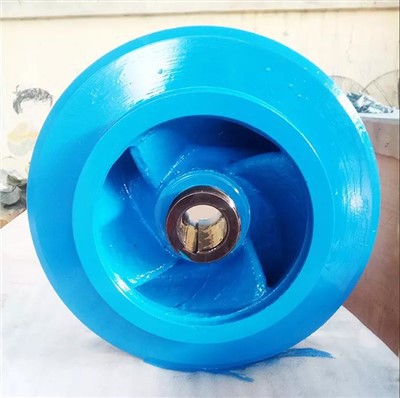
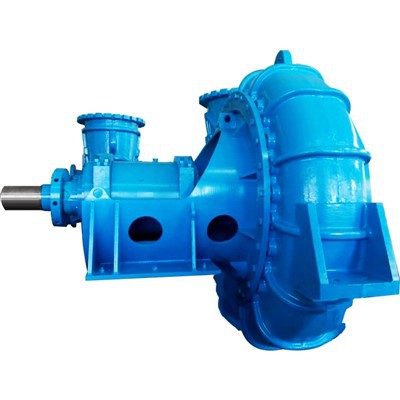
As core equipment in the fluid transportation field, clean water pumps play an irreplaceable role in industrial production, municipal engineering, and agricultural irrigation. They convert mechanical energy into fluid kinetic energy, achieving water pressurization and transportation. They are widely used in water supply and drainage systems, circulating water systems, and process water applications.
Based on their technical principles, clean water pumps are primarily classified into three categories: centrifugal, axial flow, and mixed flow. Centrifugal pumps dominate the market due to their simple structure and easy maintenance, and are suitable for medium and low head applications. Axial flow pumps excel in high flow and low head conditions and are commonly used in water conservancy projects. Mixed flow pumps combine the advantages of both, offering high efficiency within the medium flow and head range. In recent years, advances in materials science have led to the use of new materials such as stainless steel and engineering plastics, significantly improving the corrosion resistance and service life of pumps.
Clean water pump technology continues to achieve breakthroughs in energy efficiency. Optimized design of high-efficiency hydraulic models has generally increased pump efficiency by 5%-10%. The widespread use of variable frequency control technology has enabled precise flow regulation, effectively reducing operating energy consumption. Some advanced products have achieved national first-level energy efficiency certifications, including ISO 5199, and can save hundreds of thousands of kilowatt-hours of electricity annually.
Market applications are diversifying. In urban water supply systems, clean water pumps play a crucial role in pipe network pressurization and secondary water supply. Demand for high-temperature, high-pressure pumps in the industrial sector is growing significantly. In modern agriculture, variable-frequency constant-pressure irrigation systems have significantly improved water resource efficiency. With the advancement of smart city development, smart water pumps with IoT capabilities are being used for remote monitoring and fault warning.
Future development will focus on intelligent and green manufacturing. By integrating sensors and intelligent algorithms, clean water pumps can achieve real-time diagnostics of their operating status. Increasing environmental protection requirements are driving manufacturers to adopt water-based coatings and lead-free components, promoting a low-carbon lifecycle. Industry technological upgrades will continue to provide important support for optimizing water systems across various sectors.