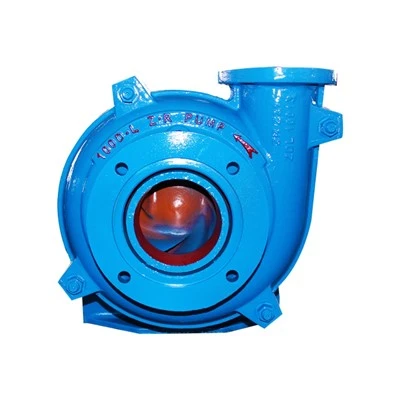
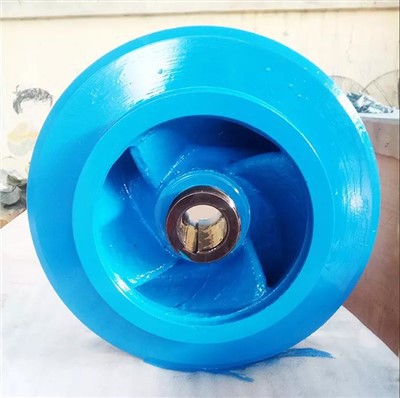
Sewage pumps are core equipment in sewage treatment systems, and their technical performance directly impacts drainage efficiency and operational stability.With increasing environmental protection requirements and accelerating urbanization, sewage pump technology continues to optimize, demonstrating significant advancements in structural design, material application, and intelligent control.
In terms of structural design, modern sewage pumps generally utilize high-efficiency centrifugal or helical centrifugal impellers. By optimizing fluid dynamics, these impellers reduce energy consumption and improve pumping efficiency. Some advanced models are equipped with cutting or crushing mechanisms to effectively handle wastewater containing solid particles and prevent clogging. Furthermore, the use of double-suction or vertical structures enhances the pump's resistance to cavitation and extends its service life.
In terms of material selection, sewage pump flow components are typically constructed of high-chromium alloys, wear-resistant rubber, or engineering plastics to withstand erosion from corrosive media and abrasive particles. In recent years, the use of composite materials has further enhanced the pump's corrosion resistance and lightweighting, reducing maintenance costs. Breakthroughs have also been achieved in sealing technology. The combination of mechanical seals and dry gas seals significantly reduces the risk of leakage and improves operational safety.
Intelligence is a key development direction in sewage pump technology. By integrating pressure, flow, and temperature sensors and combining them with IoT technology, modern sewage pumps enable remote monitoring and fault warnings, automatically adjusting speed based on actual operating conditions, and optimizing energy efficiency. Some systems also have self-learning capabilities, predicting maintenance needs based on historical data and reducing downtime.
In the future, sewage pump technology will develop towards greater efficiency, reliability, and intelligence to meet increasingly stringent environmental standards and complex application scenarios. Technological innovation will continue to drive the sustainable development of the sewage treatment industry.