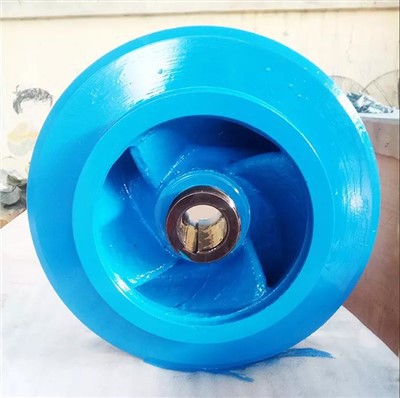
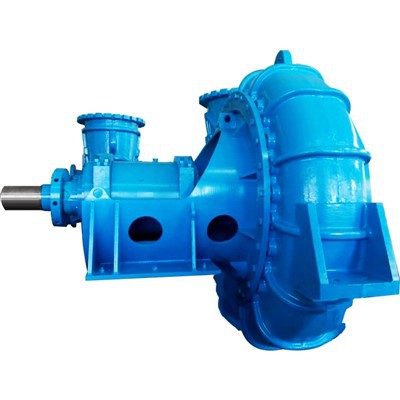
As a core component of fluid transportation, the material choice of a clean water pump directly impacts its corrosion resistance, service life, and operational efficiency.Proper material matching not only reduces maintenance costs but also ensures long-term stable system operation.
First, the material of a clean water pump should be determined based on the characteristics of the medium being pumped. For standard clean water (such as tap water and cooling water), cast iron or ductile iron are economical and reliable options. These materials offer high strength, low cost, and are suitable for ambient temperature and low-pressure conditions. If the water contains small amounts of corrosive substances (such as chloride ions), stainless steel, such as 304 or 316 stainless steel, should be considered. Their excellent corrosion resistance effectively extends the pump life.
Second, the operating temperature and pressure place higher demands on material performance. In high-temperature environments, ordinary cast iron may deform due to differences in thermal expansion coefficients. In these cases, bronze or high-nickel alloys are recommended, as these materials maintain stable mechanical properties even at high temperatures. For high-pressure conditions, the material's tensile strength is a key consideration, and ductile iron or forged stainless steel generally meet these requirements. Furthermore, sanitary applications (such as food processing and the pharmaceutical industry) require stringent material purity, requiring the use of 316L stainless steel or engineering plastics (such as PP and PVDF) that meet sanitary standards to avoid metal ion contamination. These materials are not only corrosion-resistant but also easy to clean, meeting high hygiene standards.
Finally, cost-effectiveness and maintainability are also important considerations. While stainless steel and special alloys offer superior performance, they are also more expensive, necessitating a comprehensive assessment of the full lifecycle cost. For general clean water transportation, optimizing cast iron or standard stainless steel is often more cost-effective.
In short, the selection of clean water pump materials requires a comprehensive consideration of the media characteristics, operating conditions, and cost-effectiveness. Scientific analysis should be conducted to achieve a balance between performance and cost-effectiveness, thereby ensuring long-term reliable operation of the equipment.
 English
- English
- Français
- Deutsch
- 日本語
- Italiano
- Español
- Português
- русский
- Ελληνικά
- Latviešu
- Gaeilgenah Éireann
- slovenščina
- Norsk
- Polski
- Български
- Việt Nam
- Nederlands
- O'zbek
- اردو
- dansk
- Eesti
- Lietuvių
- slovenčina
- Kreyòl Ayisyen
- Malti
- عربي
- hrvatski
- українська
- Melayu
- עברית
- বাংলা
- Català
- हिंदी
- suomi
- Indonesia
- Türkçe
- 한국어
- magyar
- bosanski
- Cymraeg
- íslenska
- România limbi
- ไทย
- Bai Miaowen
- Svenska
- Čeština
- Srbija jezik (latinica)
- فارسی