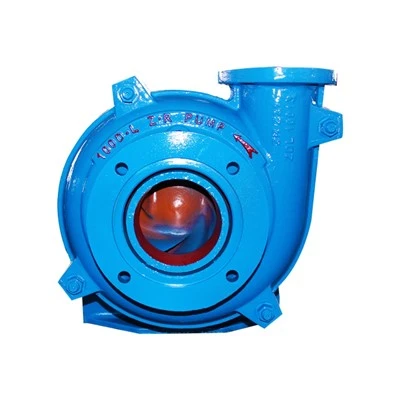
Dredge pumps are core equipment in water conservancy projects, port construction, and waterway maintenance.Their stable operation directly impacts project efficiency and safety. However, due to long-term exposure to high concentrations of silt, hard particles, and corrosive media, dredge pumps are prone to wear, leakage, and mechanical failure. Regular maintenance and scientific care are crucial.
Common Faults and Maintenance Key Points
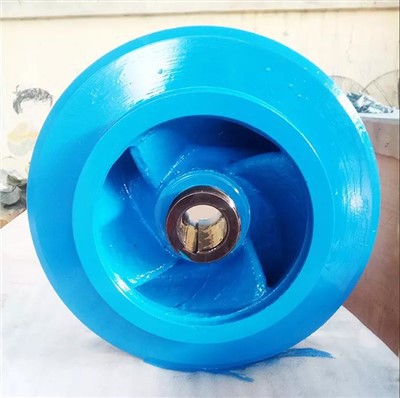
Typical dredge pump failures include impeller wear, seal failure, and bearing damage. As a component in direct contact with the media, the impeller's blade edges often become pitted or partially detached due to erosion, requiring overlay welding with wear-resistant alloys or complete replacement. Mechanical seal leakage is often caused by aging rubber components or improper installation. During maintenance, the sealing surface must be thoroughly cleaned, and high-pressure and corrosion-resistant sealing materials must be selected. Bearing failures typically manifest as abnormal vibration or temperature rise. The lubrication system must be checked, concentricity must be adjusted, and high-load bearings must be replaced if necessary.
Maintenance Procedures and Technical Specifications
Before maintenance, the pump body must be completely disassembled, the wear status of each component documented, and ultrasonic or magnetic particle inspection performed to detect hidden cracks. Key steps include: cleaning the pump cavity of any debris, repairing or replacing any corroded pump casing; correcting shaft misalignment to reduce operating loads; and strictly adjusting clearance parameters according to manufacturer specifications. For example, the clearance between the impeller and the guard plate must be maintained within a range of 0.5-1mm. Furthermore, a no-load test run and load test must be performed after repair to ensure that flow, head, and sealing performance meet specified standards.
Preventive Maintenance Recommendations
In addition to troubleshooting, regular lubricant changes and monitoring of vibration frequency and fluid temperature can significantly extend equipment life. For operating conditions involving abrasive particles, it is recommended to install a graded filter and use wear-resistant materials such as high-chromium alloy for consumable parts. Through scientific maintenance strategies and standardized operation, the reliability and economic efficiency of dredging pumps can be effectively guaranteed.