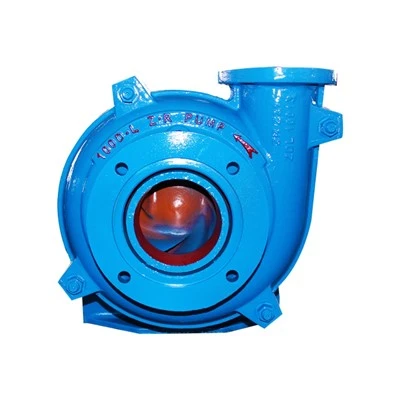
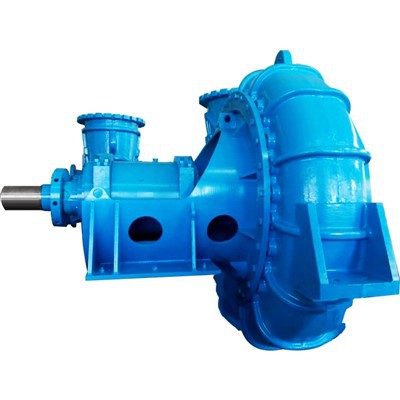
Flue gas desulfurization pumps are core equipment in thermal power plant wet desulfurization systems. Their stable operation directly impacts desulfurization efficiency and environmental compliance. Mastering sound operation and maintenance techniques is crucial to extending equipment life and reducing failure rates.
I. Selection and Installation Key Points
Desulfurization pumps are required to continuously transport corrosive slurries containing particles. When selecting a pump, prioritize high-chromium alloy or rubber-lined materials for both wear and corrosion resistance. During installation, ensure that the pump foundation's horizontality deviation is less than 0.1‰, the coupling's centering error is controlled within 0.05mm, and pressure buffers are installed in the inlet and outlet pipes to prevent water hammer damage to the impeller.
II. Efficient Operation and Control Techniques
Slurry pH must be strictly monitored during operation (recommended to be maintained between 4.5 and 6.0). A low pH value can exacerbate corrosion, while a high pH value can lead to scaling and clogging. It is recommended to utilize variable frequency drive technology to dynamically adjust the pump speed based on the flue gas load, ensuring both flow requirements and reducing energy consumption. During routine inspections, focus on bearing housing temperature (normal ≤ 70°C) and vibration (double amplitude ≤ 4.5 mm/s), and address any abnormalities promptly.
III. Core Maintenance Strategies
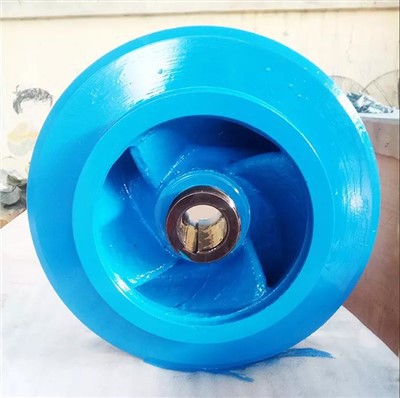
Preventive maintenance is required every 4,000 hours of operation: disassemble and inspect the impeller for wear (if it exceeds 3 mm, it must be replaced), clean the inlet filter screen of debris, and replace the mechanical seal lubricant. During winter outages, drain any accumulated water from the pump chamber and inject a 3%-5% sodium nitrite solution for antifreeze and corrosion protection. For vulnerable parts such as impellers and guard plates, it is recommended to maintain a 1:1 stockpile of spare parts to ensure replacement within 30 minutes in the event of an emergency.
Through standardized operation and scientific maintenance, the reliability of desulfurization pumps can be significantly improved. After implementing these techniques, one power plant extended the equipment's continuous operation period from an average of 8 months to over 2 years, reducing annual maintenance costs by 42%, effectively ensuring the stable operation of environmental protection facilities.