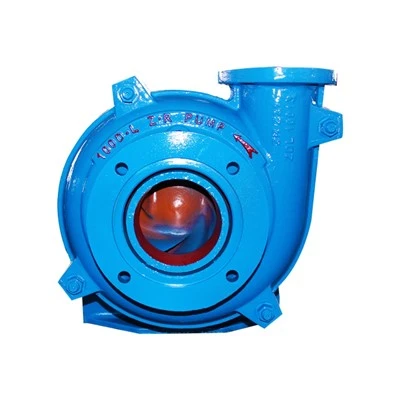
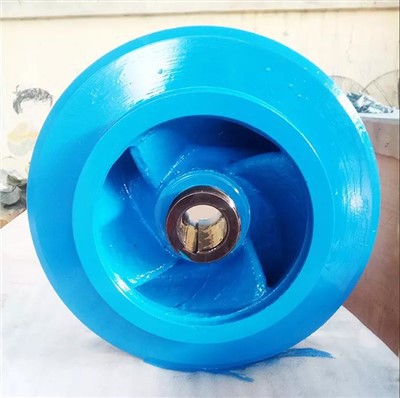
As one of the core components of industrial flue gas purification systems, flue gas desulfurization pumps play a vital role in modern environmental protection technologies and sustainable industrial development. With growing global awareness of environmental protection and increasingly stringent environmental regulations, flue gas desulfurization (FGD) treatment in coal-fired power plants, steel smelting, chemical industries, and other sectors has become essential for reducing sulfur dioxide (SO₂) emissions and preventing acid rain and air pollution. FGD pumps are essential and critical equipment in this process, their performance directly impacting desulfurization efficiency, system stability, and operating costs.
First, FGD pumps fulfill the crucial task of transporting limestone slurry or alkaline absorbent to the desulfurization tower. During the wet desulfurization process, this slurry chemically reacts with SO₂ in the flue gas to produce byproducts such as gypsum, effectively removing pollutants. Failure or decreased efficiency of the FGD pumps directly reduces desulfurization efficiency and may even lead to the risk of exceeding environmental standards. Therefore, the reliability and stability of the FGD pumps are essential for ensuring the proper operation of the entire desulfurization system. Secondly, the selection and maintenance of flue gas desulfurization pumps directly impact a company's operating costs. Efficient desulfurization pumps optimize slurry circulation efficiency, reduce energy consumption, extend equipment life, and minimize maintenance frequency. Furthermore, the selection of corrosion- and wear-resistant materials (such as rubber linings and alloys) is crucial for ensuring the pump's long-term stable operation. This is especially true when handling highly corrosive slurries, where the material's resistance to chemical attack directly impacts the pump's service life.
From an environmental perspective, improved flue gas desulfurization pump performance helps promote the green transformation of industry. With the advancement of carbon neutrality goals, more efficient desulfurization technologies rely on high-performance pump equipment. Therefore, flue gas desulfurization pumps are not only auxiliary equipment for industrial production but also core technical equipment for achieving clean production and fulfilling corporate environmental responsibility. In the future, with technological advancements, flue gas desulfurization pumps will develop towards higher efficiency, greater energy conservation, and greater intelligence, making greater contributions to global environmental governance.
 English
- English
- Français
- Deutsch
- 日本語
- Italiano
- Español
- Português
- русский
- Ελληνικά
- Latviešu
- Gaeilgenah Éireann
- slovenščina
- Norsk
- Polski
- Български
- Việt Nam
- Nederlands
- O'zbek
- اردو
- dansk
- Eesti
- Lietuvių
- slovenčina
- Kreyòl Ayisyen
- Malti
- عربي
- hrvatski
- українська
- Melayu
- עברית
- বাংলা
- Català
- हिंदी
- suomi
- Indonesia
- Türkçe
- 한국어
- magyar
- bosanski
- Cymraeg
- íslenska
- România limbi
- ไทย
- Bai Miaowen
- Svenska
- Čeština
- Srbija jezik (latinica)
- فارسی