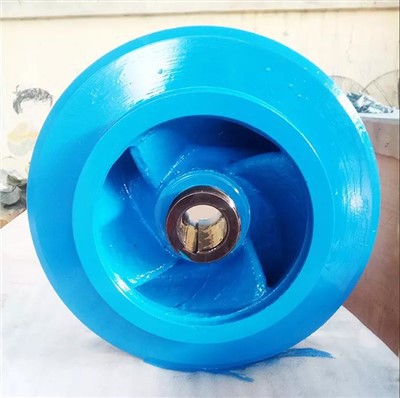
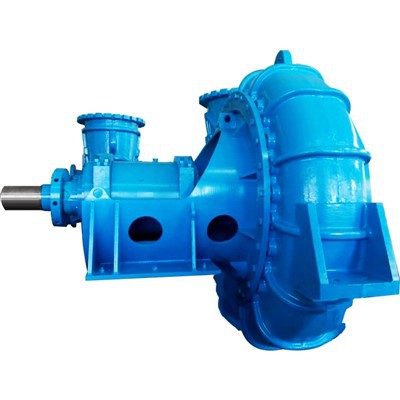
Sewage pumps are critical equipment in sewage treatment systems. The material choice directly impacts their corrosion resistance, wear resistance, service life, and operational efficiency.Due to the complex composition of sewage, which often contains corrosive chemicals, suspended solids, and organic pollutants, the material used in sewage pumps must possess excellent chemical and wear resistance, as well as mechanical strength. Currently, the main materials used for sewage pumps include cast iron, stainless steel, engineering plastics, and composite materials, with different materials suited to different operating environments.
1. Cast Iron
Cast iron (such as gray cast iron and ductile iron) is a common material used in traditional sewage pumps. It offers high mechanical strength and low cost, making it suitable for general municipal and industrial wastewater treatment. Gray cast iron is less expensive but exhibits weaker corrosion resistance, making it typically used in less corrosive wastewater environments. Ductile iron offers superior strength and toughness to gray cast iron, making it suitable for applications with higher pressures and shock loads. However, its corrosion resistance is still limited, and it often requires coatings or linings for improved durability.
2. Stainless Steel
Stainless steel (such as 304, 316, and duplex stainless steel) is widely used in sewage pumps requiring high corrosion resistance due to its excellent corrosion resistance and mechanical properties. 304 stainless steel is suitable for generally less corrosive sewage environments, while 316 stainless steel, due to its molybdenum content, offers better resistance to chloride ion corrosion and is suitable for saline or highly acidic sewage. Duplex stainless steel (such as 2205) combines the advantages of austenite and ferrite, offering greater strength and pitting resistance, making it suitable for extremely corrosive environments, such as chemical wastewater treatment. However, the high cost of stainless steel limits its use in some applications requiring stringent economic considerations.
3. Engineering Plastics
Engineering plastics (such as polyvinylidene fluoride (PVDF), polypropylene (PP), and ultra-high molecular weight polyethylene (UHMWPE)) are widely used in sewage pumps due to their excellent corrosion resistance and lightweight properties. PVDF offers excellent chemical resistance and is suitable for use in environments with strong acids, bases, and organic solvents. However, its high cost makes it typically used in specialized industrial wastewater treatment. PP plastic is relatively low-cost and suitable for general acidic and alkaline wastewater, but its temperature resistance is poor, and prolonged high-temperature operation may cause deformation. UHMWPE offers exceptional wear resistance and is suitable for wastewater containing high concentrations of solid particles, such as mine drainage or sludge transport.
4. Composite Materials and Lining Technology
To balance cost and corrosion resistance, many wastewater pumps utilize a metal base (such as cast iron or steel) lined with a corrosion-resistant material (such as rubber, epoxy resin, or ceramic). Rubber linings offer excellent wear and corrosion resistance and are suitable for wastewater containing solid particles; epoxy coatings enhance the pump's chemical resistance; and ceramic linings are suitable for extremely abrasive environments. Composite material solutions can optimize cost and performance based on specific operating conditions, extending pump life.
Conclusion
The material selection for wastewater pumps requires comprehensive consideration of factors such as the wastewater's chemical composition, solids content, temperature, and operating environment. Cast iron is suitable for general operating conditions, stainless steel for highly corrosive environments, and engineering plastics for applications requiring high corrosion or lightweighting. Composite materials offer flexible solutions. Reasonable selection of materials can not only improve the durability of the sewage pump, but also reduce maintenance costs and ensure the efficient and stable operation of the sewage treatment system.