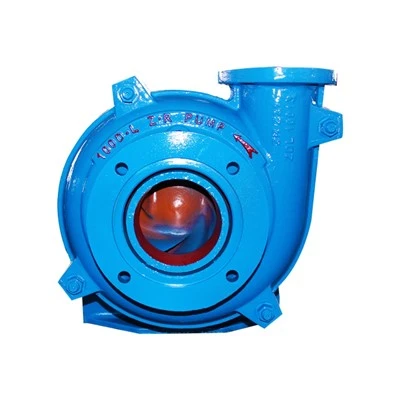
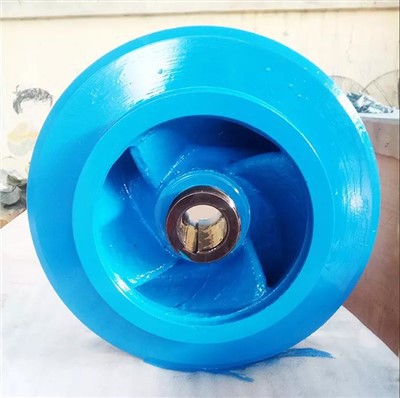
As a core component of a sewage treatment system, the operational reliability of a sewage pump directly impacts drainage efficiency and environmental protection effectiveness.To ensure the long-term stable operation of a sewage pump, a standardized inspection process is required to systematically evaluate key indicators such as mechanical performance, electrical parameters, and sealing. This article will detail the comprehensive inspection process for sewage pumps, from preliminary preparation to final acceptance, covering key technical points and operational specifications.
Ⅰ. Pre-Inspection Preparation
Before the formal inspection, the following basic work must be completed: First, verify that the sewage pump model and technical parameters are consistent with design requirements, including key indicators such as flow rate (Q), head (H), power (P), and speed (n). Second, inspect the equipment for shipping damage, such as cracks in the pump body, loose bolts, or damaged cables. Next, clear debris from the pump cavity and piping, and confirm that the motor wiring is correct and grounding is reliable. Finally, prepare necessary inspection tools, such as a vibration tester, infrared thermometer, insulation resistance meter (megohmmeter), pressure gauge, and flowmeter. Ensure the inspection environment is well ventilated and meets safety regulations.
II. Mechanical Performance Testing
Mechanical performance testing focuses on the structural integrity of the pump and the reliability of its moving parts. First, manually crank the pump to check for free rotation of the impeller and shaft. If there is any binding or abnormal resistance, check for bearing wear, impeller entanglement, or shaft deformation. Next, use a vibration analyzer to measure the pump's vibration during operation. The radial and axial vibration amplitudes must comply with ISO 10816 standards (typically no more than 4.5 mm/s). Additionally, use an infrared thermometer to monitor the temperature of the bearings and motor stator. After stable operation, the temperature rise should not exceed 40°C above the ambient temperature, and the maximum temperature should not exceed 80°C (refer to the equipment manual for details). Furthermore, check the coupling alignment accuracy. Radial deviation should be less than 0.1 mm and angular deviation less than 0.05 mm/m to avoid additional mechanical loads caused by misalignment.
III. Electrical System Testing
Electrical safety is critical to the operation of sewage pumps. First, use a megohmmeter to measure the insulation resistance of the motor winding to ground. At room temperature, the insulation value should be no less than 0.5 MΩ (for high-voltage motors above 6 kV, ≥6 MΩ/kV). If the value is lower, dry the insulation or replace the insulation. Next, check the three-phase power supply voltage balance. The voltage difference between each phase must not exceed ±5% of the rated voltage. Record the current values under no-load and load conditions to ensure that the three-phase current imbalance is less than 10%. Next, test the reliability of the starting control circuit, including whether the thermal relay setting matches the rated motor current (usually 1.1-1.2 times), the contactor engagement stability, and the sensitivity of protective devices (such as overload and phase loss protection). For submersible sewage pumps, the waterproof performance of the cable seal structure must also be verified. The insulation resistance must not drop by more than 20% after the immersion test.
IV. Sealing and Hydraulic Performance Testing
Sealing tests primarily focus on key areas that prevent leakage. For dry-installed sewage pumps, check the contact surfaces between the static and dynamic rings of the mechanical seal for smoothness. There should be no continuous dripping from the seal during operation (a slight amount of moisture is permitted). For submersible sewage pumps, test the tightness of the pump body and cable connectors using an air pressure test (0.2-0.3 MPa). A pass rating is obtained if the pressure drops no more than 10% within 30 minutes of maintaining pressure. Hydraulic performance testing should be conducted after the complete piping system is connected. Flow and head measurements should be taken using a flow meter and pressure sensor. The measured values must be no less than 90% of the rated parameters, and the efficiency curve must be within the design range (typically, efficiency is highest between 70% and 100% of the rated flow rate). If insufficient flow or low head is detected during testing, investigate for impeller wear, pipe blockage, or reverse rotation.
V. Comprehensive Acceptance and Report Preparation
After all individual tests are completed, a combined operation test is required: continuous operation for at least two hours to observe the stability of the pump body's vibration, temperature, and noise. Acceptance is determined by the absence of abnormal noise or leakage. Finally, the test data is collated and a report is compiled. This report includes basic equipment information, a detailed list of test items, a comparison of measured values with standards, a record of any issues, and corrective action recommendations. The report must be signed and confirmed by the tester and archived for future reference.
Conclusion
A standardized sewage pump inspection process is fundamental to ensuring the long-term, efficient operation of the equipment. A systematic evaluation of mechanical, electrical, and hydraulic performance can promptly identify potential hazards and avoid the risk of downtime due to equipment failure. In actual operation, inspectors must strictly adhere to technical standards and adjust parameter thresholds based on equipment characteristics to ensure the accuracy and traceability of test results.