As a core component of modern drainage systems, sewage pumps play an irreplaceable role in municipal engineering, industrial production, and civil construction.They efficiently transport sewage through mechanical energy conversion, solving key problems such as waterlogging in low-lying areas, industrial wastewater treatment, and flood control during the rainy season. This article systematically explains the technical characteristics and practical value of sewage pumps from aspects such as technical principles, structural classification, application scenarios, and development trends.
Technical Principles and Operating Characteristics
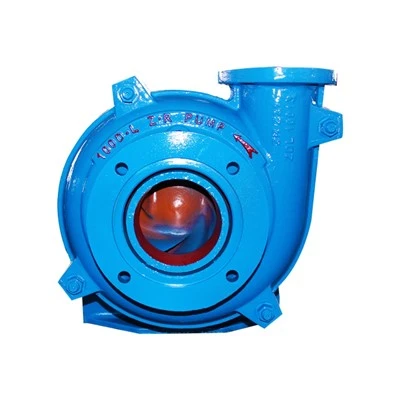
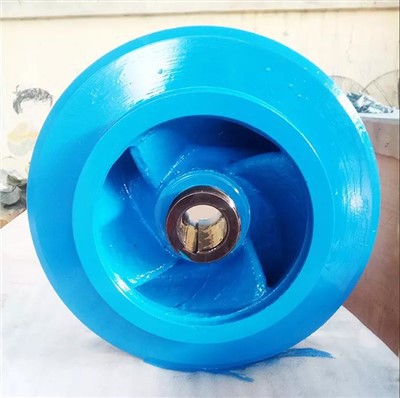
The core function of a sewage pump is to lift sewage from a low location to a higher location or to a remote pipeline through the centrifugal force or axial thrust generated by the rotation of the impeller. Its operating principle is based on the Bernoulli equation in fluid mechanics. A motor drives the impeller to rotate at high speed, generating kinetic energy in the fluid and converting it into pressure energy. Unlike clean water pumps, sewage pumps must cope with the challenges of solid particles, fibrous impurities, and corrosive media. Therefore, they typically utilize an open impeller design and are equipped with a cutting device or wear-resistant liner to extend their service life.
Key performance indicators for sewage pumps include flow rate (m³/h), head (m), power (kW), and efficiency (%). To adapt to complex operating conditions, modern sewage pumps often incorporate automatic coupling devices, liquid level control systems, and anti-clogging technologies. For example, vortex impellers reduce the probability of clogging, or variable frequency drive technology adjusts power based on real-time flow, optimizing energy consumption.
Structural Classification and Selection Criteria
Sewage pumps can be divided into the following main types based on the conveying medium and structural design:
1.Centrifugal sewage pumps: The most common type, suitable for high-flow, medium-to-low-head applications, such as urban stormwater drainage. Their impellers are often semi-open or swirl-type, capable of handling particles smaller than 30mm in diameter.
2.Screw pumps: These use spiral blades to push high-viscosity or long-fiber wastewater, such as municipal sludge, and exhibit low shear forces.
3.Submersible sewage pumps: Fully sealed, they can operate directly submerged in liquid and are widely used in confined spaces such as basements and septic tanks. Their motors must be double-insulated and waterproof (e.g., IP68).
4.Vertical multistage pumps: These pumps achieve high-pressure conveying through tandem impellers and are commonly used for lifting industrial wastewater.
When selecting a pump, consider the media characteristics (such as pH and suspended solids concentration), the installation environment (wet/dry), the need for continuous operation, and ease of maintenance. For example, the chemical industry requires corrosion-resistant materials (such as 316L stainless steel or engineering plastics), while the food processing industry may require contact parts that comply with FDA standards.
Typical Application Scenarios
Sewage pumps are used in several key areas:
•Municipal Infrastructure: They are used to control overflows from combined sewer systems, drain sludge from primary sedimentation tanks at sewage treatment plants, and handle emergency discharge of stormwater runoff. For example, large pumping stations, operating multiple units in parallel, can process millions of cubic meters of wastewater daily.
•Industrial Production: In mine drainage, electroplating wastewater treatment, and papermaking black liquor transfer, customized corrosion-resistant and explosion-proof designs are required to meet specific process requirements.
•Building Water Supply and Drainage: High-rise residential basement drainage and hotel kitchen oil-water separation systems all rely on the reliable operation of sewage pumps.
•Agriculture and Environmental Engineering: Used for farm manure collection and farmland drainage treatment, contributing to the development of circular agriculture.
Technical Challenges and Development Trends
The main challenges facing current sewage pump technology include frequent maintenance due to high wear, bottlenecks in improving energy efficiency, and insufficient intelligence. To address these issues, the industry is innovating in the following directions:
1.Advances in Materials Science: Using ceramic-coated impellers and polymer composite pump casings significantly improves wear resistance.
2.Intelligent Monitoring Systems: Integrating pressure sensors, vibration analysis modules, and IoT platforms enables fault prediction and remote operation and maintenance.
3.Energy-Saving Optimized Design: Optimizing hydraulic models through CFD fluid simulation and combining them with permanent magnet synchronous motors reduces energy consumption by over 20%.
4.Green Manufacturing: Promoting the use of recyclable materials to reduce carbon emissions throughout the entire lifecycle.
Conclusion
The continuous evolution of sewage pump technology has not only improved the reliability and cost-effectiveness of drainage systems but has also become a crucial tool for promoting water resource recycling and ecological protection. In the future, with the deep integration of digitalization and sustainable concepts, sewage pumps will play a more critical role in the construction of smart cities and provide solid protection for global water security.