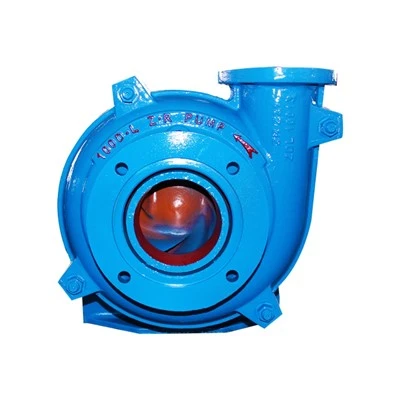
A slurry line is harder than a clean water line because the liquid carries sand, sludge or other solids. Before using a Centrifugal Slurry Pump, the site should confirm the slurry source, particle shape and discharge distance. Sharp solids can wear the casing and impeller area quickly. Heavy slurry can also raise motor load, so the pump should not be judged by clear-water duty only.
The inlet side needs steady supply. Air pockets, sudden elbows and poor feed can create vibration and unstable flow. A Centrifugal Slurry Pump should have enough space around the casing, drive guard and seal area so operators can inspect it safely. The outlet pipe should also be checked, because a narrow pipe or long rising section can make the unit work harder.
Routine inspection should focus on sound, vibration, leakage and discharge change. If flow becomes weak, the cause may be blockage, wear, wrong speed or higher slurry density. A Centrifugal Slurry Pump should be stopped safely before the casing is opened, because slurry may remain inside the pump and pipe.