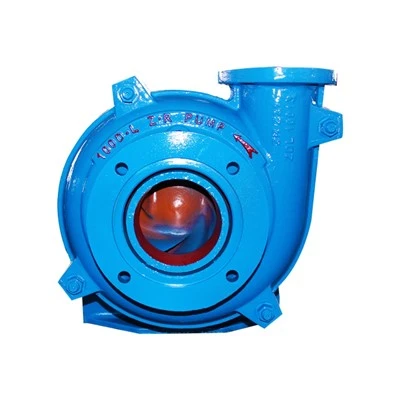
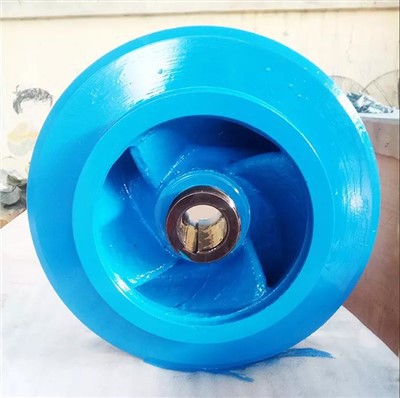
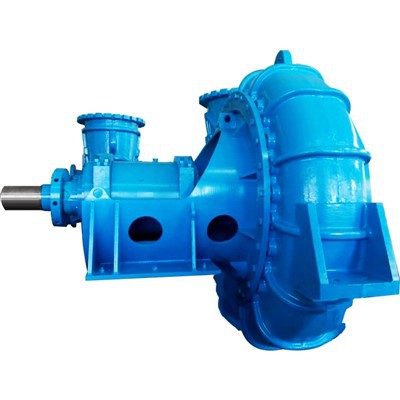
Mining slurry service moves ore particles, tailings, sand and water in the same line. A Mining Slurry Pump should be selected after the real medium is checked, not only by a general pump name. The first details are slurry concentration, particle size and pipe length. Thick slurry needs a stronger wet end and stable drive support. Coarse particles can hit the casing and impeller harder, so wear contact parts need closer attention.
A site should also check the inlet condition. Poor feed can cause vibration, unstable discharge and faster wear. When a Mining Slurry Pump works near a grinding or tailings section, the inlet pipe should reduce sudden elbows when possible. Operators should watch bearing temperature, seal leakage, noise and pressure change during each shift, because these signs often show changes in the slurry.
Material choice should follow the ore type, slurry pH and working temperature. Hard solids need a wear-focused casing and impeller area, while corrosive liquid needs suitable corrosion resistance. A Mining Slurry Pump should not be chosen by flow data alone. Density, head, solid content and working hours are also needed before final selection.