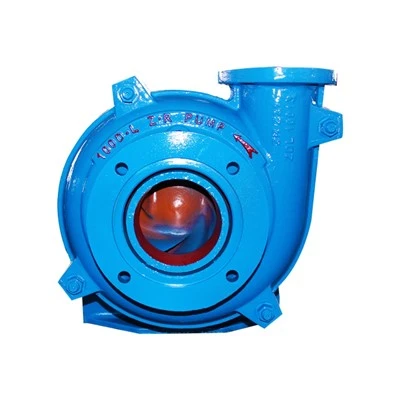
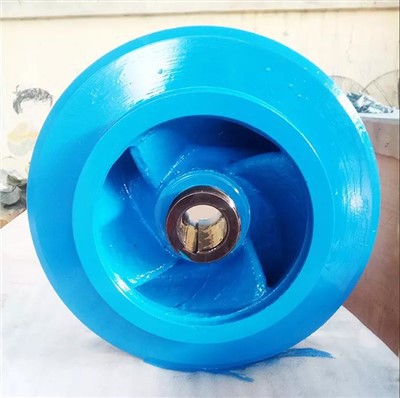
As key equipment for sewage treatment and transportation, the performance of sewage pumps is closely related to their applicable environments. Different types of sewage pumps, depending on their design features, can adapt to a variety of complex operating conditions, including municipal engineering, industrial production, building drainage, and agricultural irrigation. This article will focus on the main types of sewage pumps and discuss their typical applicable environments and technical requirements.
Municipal Wastewater Treatment Environment
In the municipal sector, sewage pumps are primarily used in urban sewer systems, sewage treatment plants, and stormwater drainage projects. These environments often contain high concentrations of organic matter, suspended solids, and corrosive substances, requiring sewage pumps to possess wear and corrosion resistance. For example, centrifugal sewage pumps, with their high flow rates and low head, are suitable for sewage collection and initial transportation. Submersible sewage pumps, on the other hand, are often used for sewage lifting in deep wells or underground pipeline systems because they can be fully submerged. Furthermore, municipal sewage often contains fibrous or plastic impurities, requiring an anti-entanglement design for the pump impeller to prevent clogging.
Industrial Production Environment
Industrial wastewater has a complex composition and may contain acidic, alkaline, and heavy metal contaminants, placing higher demands on the material and sealing properties of sewage pumps. For example, in the chemical, electroplating, and pharmaceutical industries, sewage pumps are typically constructed of stainless steel, plastic-lined, or polymer materials (such as polyvinylidene fluoride (PVDF)) to resist chemical corrosion. Furthermore, industrial wastewater with high viscosity or particles requires a cutter impeller or a large-channel pump body to ensure smooth passage of solids. Some industrial applications also require explosion-proof sewage pumps to meet the safety requirements of flammable and explosive environments.
Building and Underground Facility Environments
In high-rise buildings, basements, or tunnels, sewage pumps are primarily used for domestic sewage and emergency drainage. These environments have limited space and may experience intermittent high-load operation. Therefore, compact submersible sewage pumps or cutter pumps are common choices. They are compact and can handle wastewater containing soft solids such as toilet paper and hair. Furthermore, building drainage systems often require sewage pumps with low noise levels to minimize disruption to residents or offices.
Agriculture and Rural Environments
In agricultural irrigation drainage or rural domestic sewage treatment, sewage pumps must be able to handle turbid water containing silt and fertilizer residues. Such environments cause significant wear on pump components, so cast iron or high-strength alloys are typically used, along with wear-resistant bushings. Mobile or self-priming sewage pumps, due to their flexible installation, are suitable for farmland drainage or decentralized sewage treatment facilities.
Adaptability to Special Environments
In addition to the typical scenarios mentioned above, sewage pumps can also be used in extreme environments, such as extremely cold regions (requiring antifreeze design), high-altitude, low-pressure areas (requiring motor power adjustment), or offshore platforms (requiring salt spray corrosion resistance). To address these special requirements, manufacturers often enhance pump reliability through material modification, sealing technology optimization, or intelligent control systems.
Conclusion
Sewage pumps are suitable for diverse environments, and their selection requires a comprehensive consideration of fluid characteristics, installation conditions, and operational requirements. From municipal to industrial, from construction to agriculture, appropriately matching sewage pump type with environmental requirements not only improves sewage treatment efficiency, but also extends equipment life and reduces maintenance costs. In the future, with the advancement of materials science and intelligent technology, the adaptability of sewage pumps will further expand, providing more efficient solutions for fluid treatment in various industries.